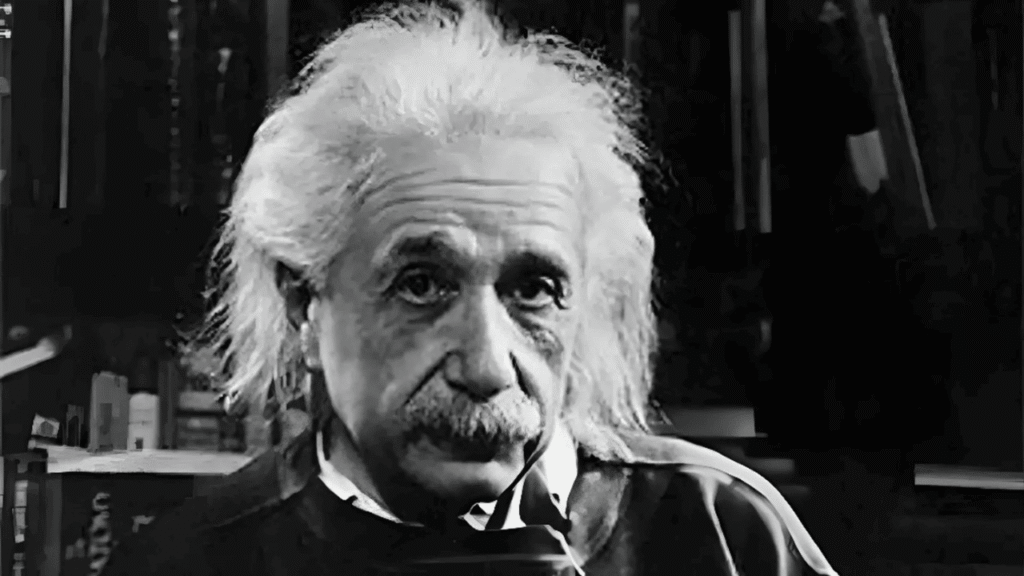
The words of Albert Einstein continue to echo across generations, cultures, and disciplines. Among his many reflections on life, knowledge, and humanity, one quote stands out for its simplicity and depth: “No busques ser un hombre de éxito, sino más bien un hombre de valor” (“Do not strive to be a man of success, but rather a man of value”). Though brief, this statement captures a philosophy that challenges modern definitions of achievement and invites deeper reflection on what truly matters in life.
In a world often obsessed with fame, money, and external validation, Einstein’s words feel more relevant than ever.
Understanding the Meaning Behind the Quote
At first glance, the quote appears straightforward, but its meaning is profound. Success is commonly measured by wealth, status, power, or recognition. Value, on the other hand, refers to character, integrity, contribution, and moral strength.
Einstein was not dismissing success entirely. Rather, he was warning against making success the goal of life. When success becomes the main objective, values are often compromised. When value becomes the focus, success may follow naturally—but even if it does not, a meaningful life is still lived.
Einstein’s Life as an Example of Value
Albert Einstein’s own life reflects this philosophy. While he achieved extraordinary success as a scientist, his greatest legacy goes beyond equations and theories. He consistently spoke out for peace, human rights, education, and intellectual freedom.
He valued:
- Curiosity over conformity
- Ethics over ambition
- Truth over popularity
- Humanity over nationalism
Even when faced with criticism or misunderstanding, Einstein remained committed to principles he believed were morally right.
Success vs. Value in Modern Society
In today’s world, success is often defined by:
- Job titles
- Income levels
- Social media influence
- Material possessions
While these markers are not inherently negative, they can become empty if disconnected from deeper values. A person may achieve professional success while lacking empathy, honesty, or social responsibility.
Value-based living, by contrast, emphasizes:
- Integrity in actions
- Respect for others
- Meaningful contribution to society
- Consistency between words and deeds
Einstein’s quote challenges individuals to rethink what they are chasing and why.
Why Value Lasts Longer Than Success
Success is often temporary. Careers end, wealth fluctuates, and public recognition fades. Value, however, has a lasting impact.
A person of value:
- Inspires others long after they are gone
- Builds trust and meaningful relationships
- Leaves behind positive change
- Shapes communities and future generations
History remembers people not just for what they achieved, but for how they lived and what they stood for.
Value in Everyday Life
Being a person of value does not require fame or extraordinary achievements. It is reflected in everyday choices and behavior.
Examples include:
- Acting honestly when dishonesty would be easier
- Treating others with kindness without expecting reward
- Standing up for what is right, even when unpopular
- Using skills and talents to help others
These actions may not lead to immediate recognition, but they build a life of substance and meaning.
Education and the Cultivation of Value
Einstein believed education should go beyond technical skills. He famously argued that education without moral development is dangerous. Knowledge gives power, but values determine how that power is used.
A value-centered education emphasizes:
- Critical thinking
- Ethical responsibility
- Creativity and curiosity
- Compassion and global awareness
Such education produces not only skilled professionals, but responsible human beings.
Success as a Byproduct, Not a Goal
One of the most powerful ideas in Einstein’s quote is that success often emerges naturally when value comes first. People who focus on creating value tend to:
- Build trust and credibility
- Develop deeper expertise
- Form stronger relationships
- Make meaningful contributions
As a result, recognition and success may follow—but they are not the driving force.
This approach reduces anxiety and competition, replacing them with purpose and fulfillment.
Applying Einstein’s Wisdom Today
In practical terms, Einstein’s advice can be applied by asking simple but powerful questions:
- Does my work add value to others?
- Am I acting in line with my principles?
- Would I make the same choices without external rewards?
Living this way does not guarantee fame or wealth, but it guarantees integrity and inner peace.
A Counterbalance to Hustle Culture
Modern culture often glorifies constant productivity, competition, and “winning at all costs.” Einstein’s words serve as a counterbalance, reminding us that life is not a race, but a journey shaped by choices.
Value-based living encourages:
- Balance instead of burnout
- Meaning instead of obsession
- Contribution instead of comparison
This mindset supports long-term well-being, not just short-term gains.
Why This Quote Still Resonates
The enduring power of this quote lies in its universality. Regardless of profession, culture, or era, the question of success versus value applies to everyone.
Einstein’s insight invites people to:
- Redefine personal success
- Align actions with deeper principles
- Measure life by impact, not applause
It is a reminder that true greatness lies not in what we accumulate, but in what we give.
Conclusion
Albert Einstein’s words, “No busques ser un hombre de éxito, sino más bien un hombre de valor,” offer timeless guidance in a world often distracted by superficial measures of achievement. Success may bring comfort and recognition, but value brings meaning, respect, and lasting impact.
By choosing to live as people of value—guided by integrity, compassion, and purpose—we create lives that matter not only to ourselves, but to the world around us. In the end, success fades, but value endures.