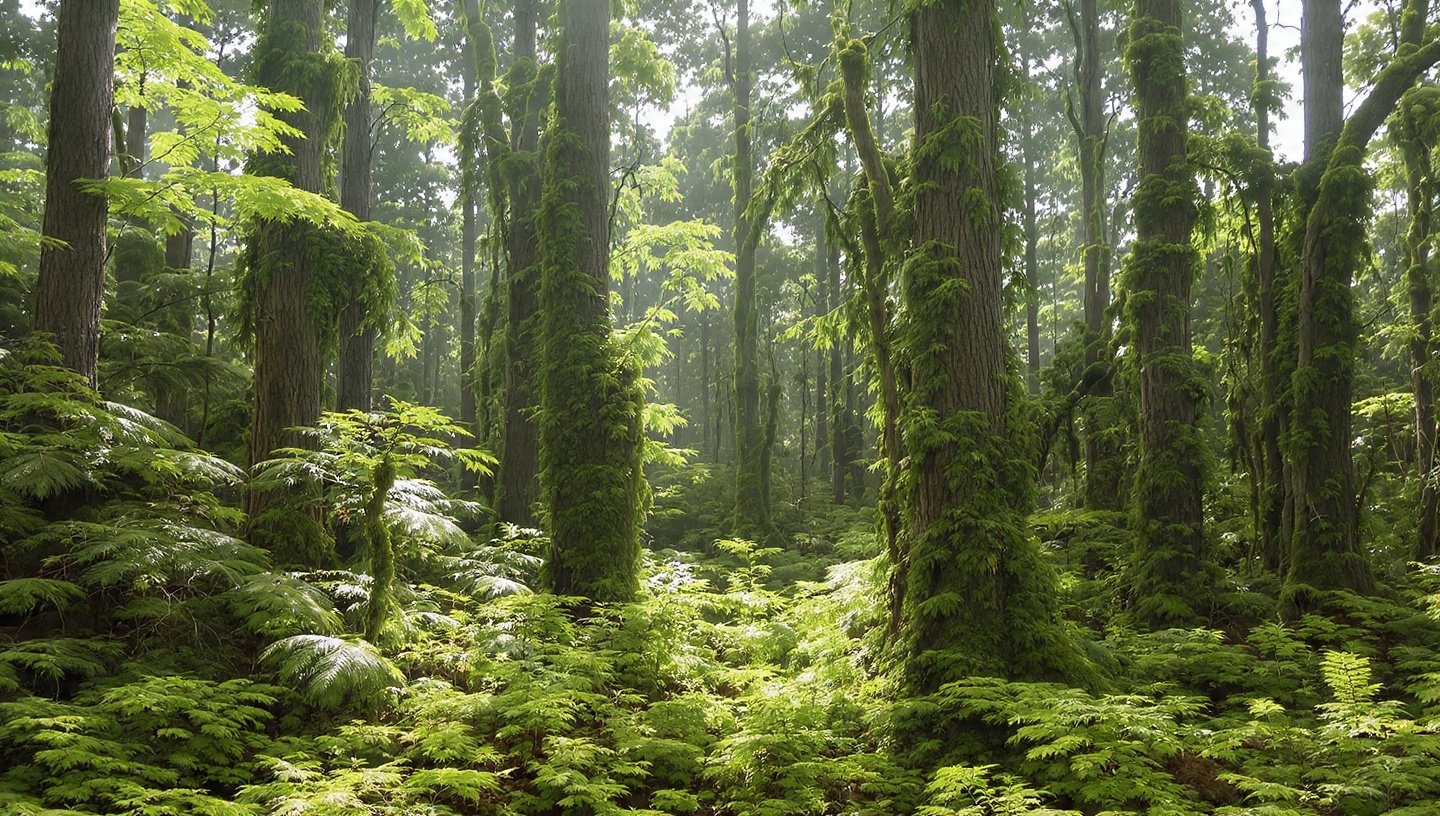
For decades, deforestation has been one of the most visible signs of environmental degradation. Vast areas of woodland were cleared for agriculture, urban expansion, and resource extraction, leaving behind barren land and disrupted ecosystems. Yet in a surprising and hopeful turn of events, scientists and conservationists have observed something extraordinary in regions where deforestation has come to a halt: forests have begun to regenerate naturally, without any human replanting or direct intervention.
This phenomenon challenges long-held assumptions about the fragility of forests and highlights nature’s powerful ability to heal itself when given the chance.
The Immediate Impact of Halting Deforestation
When deforestation stops, the most important change is not what humans do next, but what they stop doing. The absence of logging, land clearing, grazing, and repeated disturbance allows natural processes to resume. Seeds that had been dormant in the soil begin to germinate. Roots left behind by previous vegetation send out new shoots. Birds, insects, and mammals return, carrying seeds from nearby forests and accelerating regeneration.
Even land that appears severely degraded often retains a hidden biological memory. Soil still contains nutrients, microorganisms, and seed banks capable of supporting new growth. Once the pressure is removed, these natural systems slowly awaken.
Natural Regeneration vs. Tree Planting
For many years, reforestation efforts focused heavily on planting trees. While tree planting can be valuable in certain contexts, natural regeneration has proven to be equally—if not more—effective in many landscapes. Naturally regenerating forests often develop greater biodiversity, stronger root systems, and more resilient structures than planted forests composed of a limited number of species.
Natural regeneration allows plants best adapted to local conditions to thrive. This leads to forests that are more resistant to drought, pests, and disease. Instead of creating a uniform canopy, these forests grow in layers, supporting a wide range of wildlife and ecological functions.
The Role of Wildlife in Forest Recovery
Animals play a critical role in forest regeneration. Birds and mammals act as seed dispersers, transporting seeds from healthy forests into recovering areas. As vegetation begins to return, insects follow, pollinating plants and enriching the food web. Over time, this creates a self-reinforcing cycle where increased biodiversity supports faster and more stable forest growth.
Even small animals such as ants and rodents contribute by burying seeds, aerating soil, and recycling nutrients. Forest recovery is not a single event but a complex collaboration between countless living organisms.
Soil: The Foundation of Recovery
Healthy soil is the unsung hero of forest regeneration. When deforestation ends, soil begins to recover from compaction and erosion. Leaf litter from early plant growth adds organic matter, improving moisture retention and nutrient availability. Fungi and bacteria reestablish underground networks that help plants share resources and resist stress.
In many cases, pioneer species—fast-growing plants that thrive in open sunlight—are the first to appear. These plants stabilize the soil and create shade, allowing slower-growing trees to take root. Over time, pioneer species give way to more complex forest communities.
Climate Benefits of Natural Regeneration
Naturally regenerating forests play a vital role in addressing climate change. As trees and vegetation grow, they absorb carbon dioxide from the atmosphere and store it in trunks, roots, and soil. Studies have shown that allowing forests to regrow naturally can be one of the most cost-effective ways to reduce carbon emissions.
Beyond carbon storage, regenerated forests help regulate local climates. They cool surrounding areas, increase rainfall through evapotranspiration, and reduce the severity of floods and droughts. These benefits extend far beyond forest boundaries, supporting agriculture and human communities nearby.
Human Influence Through Non-Intervention
One of the most powerful lessons from naturally regenerating forests is that sometimes the best action humans can take is restraint. Protecting land from further clearing, limiting access for grazing or mining, and enforcing conservation laws can be more effective than large-scale restoration projects.
This approach, often called “passive restoration,” requires patience. Forests do not return overnight. It can take decades for a mature ecosystem to reemerge. However, the long-term results are often more sustainable and self-sufficient than heavily managed alternatives.
Economic and Social Implications
Natural forest regeneration also offers economic advantages. It reduces the cost of reforestation efforts, which often require seedlings, labor, and ongoing maintenance. Communities can benefit from restored forests through improved water quality, soil fertility, and opportunities for eco-tourism and sustainable resource use.
In some regions, regenerated forests have helped stabilize rural livelihoods by restoring ecosystem services that support farming, fishing, and climate resilience. When local communities are involved in protecting regenerating forests, conservation and economic well-being can reinforce each other.
Rethinking Conservation Strategies
The success of natural forest regeneration is prompting a shift in how conservation is approached. Rather than viewing damaged land as permanently lost, scientists now recognize the incredible potential for recovery if harmful activities are stopped. This perspective emphasizes protection, enforcement, and long-term land stewardship over short-term fixes.
It also encourages policymakers to value existing forests more highly. Preventing deforestation in the first place is far more effective than attempting to restore ecosystems after they are destroyed.
A Message of Hope
At a time when environmental news often feels overwhelming, naturally regenerating forests offer a rare and powerful message of hope. They demonstrate that ecosystems are not always as fragile as they appear and that nature possesses an extraordinary capacity for renewal.
This does not mean human responsibility ends. Continued protection, monitoring, and thoughtful land-use planning are essential to ensure that regenerating forests are not destroyed again. But it does mean that recovery is possible—sometimes faster and more beautifully than expected.
Final Thoughts
The return of forests after deforestation halts reveals a profound truth: nature remembers. Beneath damaged landscapes lie the seeds, systems, and relationships needed for renewal. When given space and time, forests can regenerate without human replanting or intervention, restoring biodiversity, stabilizing climates, and supporting life in countless forms.
This natural recovery challenges us to rethink our role in the environment—not as constant managers, but as guardians capable of stepping back and allowing nature to do what it has done for millions of years. In many cases, the path to healing the planet begins not with action, but with restraint.