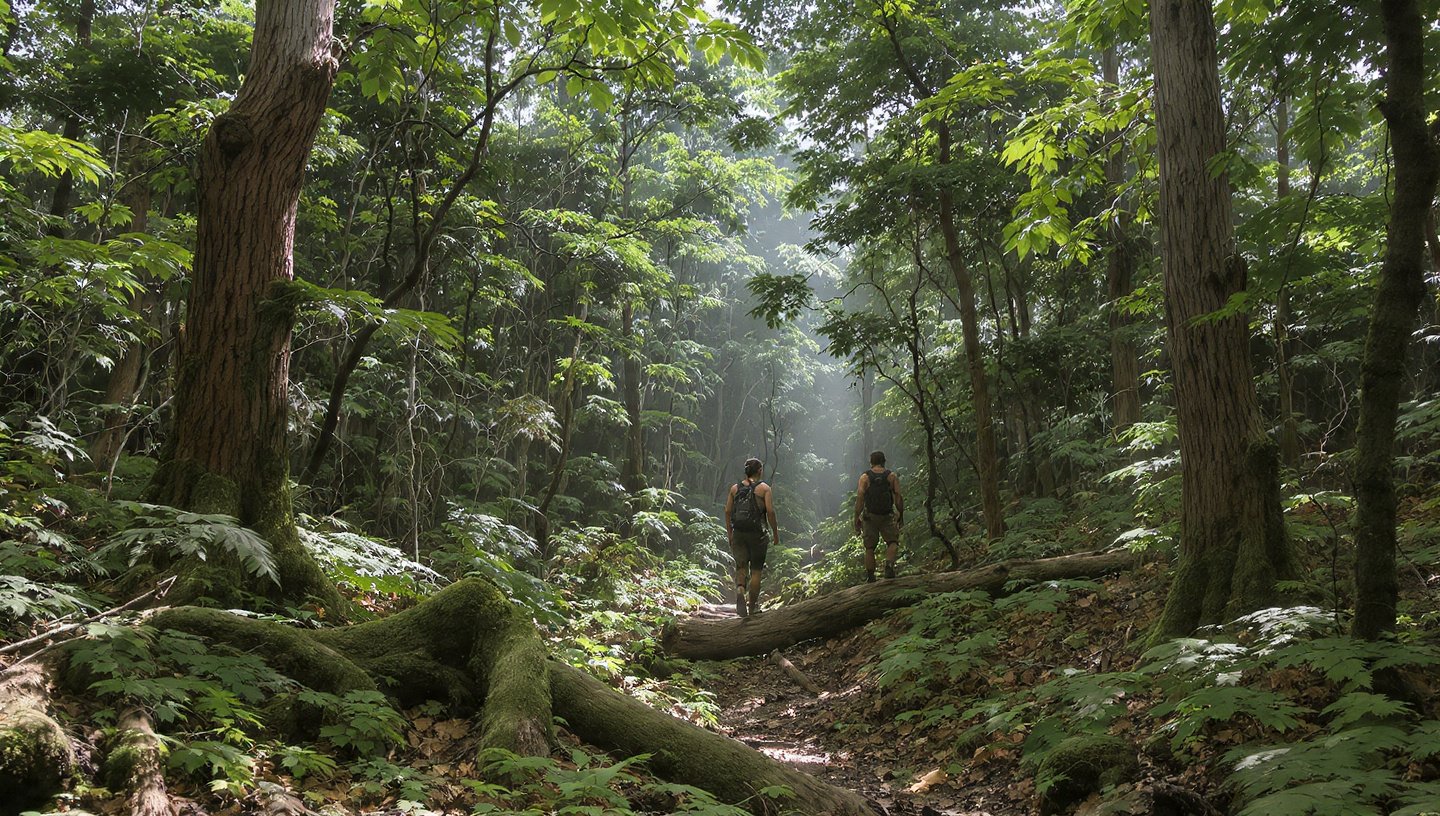
Deforestation has long been recognized as one of the most pressing environmental issues of our time, contributing to biodiversity loss, climate change, and disruption of ecological balance. However, recent observations have shown that when human activities like logging, clearing, or land conversion cease, forests possess an incredible capacity to regenerate naturally. This process, occurring without any human replanting or intervention, offers hope for ecological restoration and highlights the resilience of nature.
The Science Behind Natural Forest Regeneration
Forests are complex ecosystems composed of trees, shrubs, grasses, fungi, and countless microorganisms that interact to maintain ecological balance. When deforestation stops, several natural mechanisms come into play:
- Seed Dispersal – Many tree species produce seeds that can survive in the soil for years. Birds, wind, and small mammals carry seeds to cleared areas, promoting new growth.
- Soil Recovery – Even after deforestation, the soil often retains nutrients, microorganisms, and organic matter that support the germination of seeds.
- Succession – Ecological succession is a natural process in which pioneer species, such as grasses and shrubs, establish themselves first, followed by larger trees over time. This progression gradually restores the forest structure.
- Resprouting – Some tree species can regrow from stumps or roots left behind after logging, allowing for rapid recovery without external planting.
Through these mechanisms, forests can gradually regain canopy cover, restore habitats for wildlife, and stabilize the local climate.
Case Studies: Forests Healing Themselves
- Costa Rica – After the government restricted large-scale deforestation in the 1990s, large areas of abandoned farmland naturally reverted to secondary forests. Today, these areas are rich in biodiversity, with native birds, mammals, and tree species returning without human planting programs.
- Eastern Europe – In parts of the former Soviet Union, farmland abandonment led to spontaneous forest regrowth. Satellite images over decades show significant increases in forest cover, demonstrating that even large tracts of land can recover naturally.
- Amazon Basin Fragments – Research shows that in smaller, fragmented areas where deforestation stopped, pioneer species quickly recolonized clearings. Over time, these areas developed into mixed forests, showing that even tropical forests have strong regenerative potential.
These examples underscore that while human-led reforestation can accelerate recovery, nature itself is remarkably capable of self-restoration when left undisturbed.
Benefits of Natural Forest Regeneration
Allowing forests to regenerate without human interference offers several ecological and social advantages:
- Biodiversity Recovery – Natural regeneration encourages native species to return in a balanced manner, supporting complex food webs and ecosystems.
- Soil Protection – Trees and plants reduce erosion, improve soil structure, and restore fertility over time.
- Climate Regulation – Growing forests absorb carbon dioxide, mitigate local temperature extremes, and contribute to climate stability.
- Cost Efficiency – Unlike human reforestation projects, which require planting, irrigation, and ongoing maintenance, natural regeneration is cost-free and sustainable in the long term.
- Resilience – Naturally regenerated forests often have higher resilience to pests, diseases, and climate variability because the ecosystem evolves according to local conditions.
Challenges and Considerations
Despite its advantages, natural regeneration is not a guaranteed solution in all contexts. Certain factors can limit a forest’s ability to recover on its own:
- Severe Soil Degradation – If deforestation has stripped away topsoil or introduced contamination, natural regeneration may be slow or fail entirely.
- Invasive Species – Non-native plants can dominate cleared areas, preventing native trees from establishing.
- Fragmentation – Isolated patches of forest may struggle to recover due to limited seed dispersal and lack of connectivity to other forests.
- Climate Change – Altered rainfall patterns and temperatures can affect which species successfully regenerate.
In these scenarios, human intervention such as enrichment planting, invasive species removal, or soil restoration may be necessary to assist natural regeneration.
Strategies That Support Natural Regrowth
Even when aiming for minimal human interference, certain strategies can help forests regenerate more effectively:
- Protecting Land from Disturbance – Preventing further logging, agricultural expansion, or urban development is the most critical step.
- Encouraging Wildlife Corridors – Animals that disperse seeds, like birds and primates, can help repopulate deforested areas.
- Monitoring Forest Health – Tracking species composition, canopy cover, and soil quality can help identify problems early.
- Allowing Successional Stages – Resisting the urge to intervene in early successional stages allows pioneer species to establish and prepare the ecosystem for more complex forest communities.
By prioritizing protection and patience over active planting, humans can support natural processes while minimizing ecological disruption.
The Role of Policy and Conservation
Governments and conservation organizations play a crucial role in facilitating natural forest regeneration. Policies that halt illegal logging, incentivize land conservation, and restore property rights to local communities have been shown to be effective in promoting passive recovery. For example, Costa Rica’s payment-for-ecosystem-services program encouraged landowners to allow forests to regrow naturally, resulting in one of the most significant reversals of deforestation globally.
A Glimpse into the Future
The resilience of forests offers hope amid global deforestation concerns. Studies suggest that if large-scale deforestation were halted worldwide, many degraded lands could recover naturally over the next few decades, sequestering carbon, restoring biodiversity, and improving local livelihoods.
While human-led restoration has its place, letting nature take the lead can be a powerful and cost-effective approach. Protecting and supporting passive regeneration aligns with sustainable development goals, climate change mitigation, and biodiversity conservation.
Conclusion
The story of forests regenerating naturally after deforestation is a testament to the incredible resilience of nature. When human interference ceases, ecosystems can heal themselves, often without the need for planting or active management. From improved biodiversity to carbon sequestration, naturally regenerated forests offer enormous ecological, social, and economic benefits.
However, success requires protection, patience, and minimal disturbance. While natural regeneration is not universally applicable, it serves as a powerful reminder: given the chance, the Earth has an extraordinary capacity to restore balance. In a world grappling with environmental degradation, letting forests recover naturally offers a hopeful path toward sustainability, resilience, and renewed life.