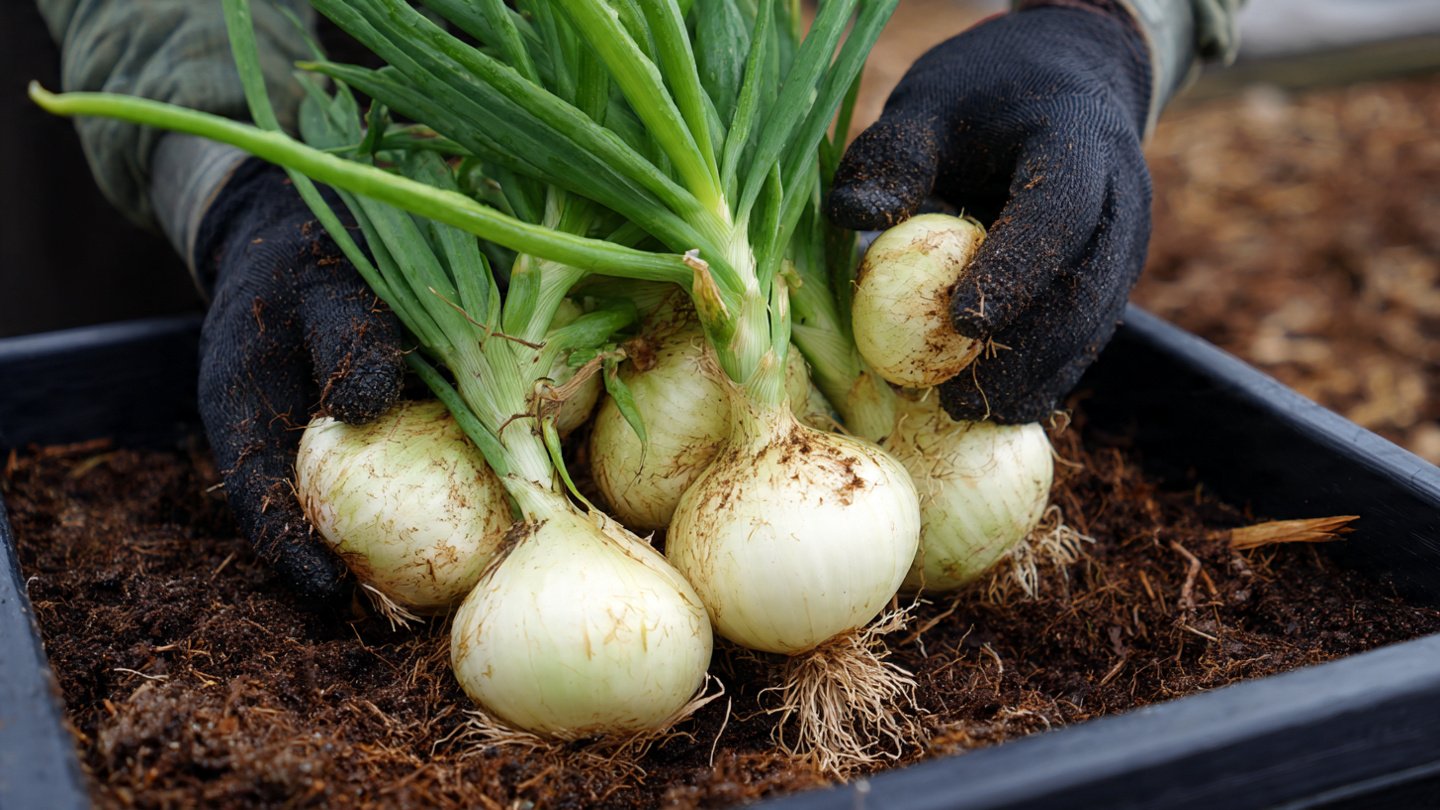
Onions are one of the most essential ingredients in kitchens around the world. From soups and stews to salads and sauces, their flavor enhances nearly every dish. Growing onions at home is not only rewarding but surprisingly simple. With the right techniques, you can cultivate fresh, flavorful onions year-round in your garden, balcony, or even in containers. This complete guide will walk you through every step of onion cultivation, from choosing the right variety to harvesting and storage.
Why Grow Onions at Home?
Growing onions at home comes with several benefits:
- Freshness and Flavor: Homegrown onions have a stronger, more vibrant taste than store-bought ones.
- Cost-Effective: Onion bulbs and seeds are inexpensive, and the yield can easily supply your household.
- Chemical-Free: You control what goes into your soil and plants, ensuring natural, healthy produce.
- Satisfaction: There’s a unique joy in harvesting onions you’ve nurtured yourself.
Onions are adaptable and low-maintenance, making them an excellent choice for beginners and experienced gardeners alike.
Understanding Onion Varieties
Onions come in different types, and selecting the right variety depends on your climate, growing season, and culinary preferences.
1. Short-Day Onions
- Best for southern climates with mild winters.
- Begin forming bulbs when daylight reaches 10–12 hours.
- Varieties include ‘Granex’ and ‘Texas Super Sweet.’
2. Long-Day Onions
- Ideal for northern climates with long summer days.
- Begin forming bulbs when daylight reaches 14–16 hours.
- Varieties include ‘Walla Walla’ and ‘Red Zeppelin.’
3. Intermediate-Day Onions
- Suitable for regions with moderate day length.
- Begin forming bulbs at 12–14 hours of daylight.
- Varieties include ‘Candy’ and ‘Burgundy.’
Understanding your region’s day length ensures healthy bulb development and maximizes yield.
Starting Onions from Seeds, Sets, or Transplants
There are three primary ways to grow onions at home:
1. Seeds
- Plant indoors 8–10 weeks before the last frost.
- Sow ¼-inch deep in seed trays or small containers.
- Keep soil moist and provide adequate sunlight or grow lights.
2. Onion Sets
- Small, immature bulbs purchased from nurseries.
- Easy to plant directly in the garden.
- Ideal for beginners since sets grow quickly and reliably.
3. Transplants
- Young seedlings grown from seeds or purchased.
- Give a head start for regions with short growing seasons.
Each method has its advantages, and the choice depends on your climate, space, and patience.
Soil Preparation
Onions thrive in fertile, well-draining soil. Proper preparation ensures healthy growth:
- Soil Type: Loamy or sandy soil works best. Avoid heavy clay, which can cause rot.
- pH Level: Maintain slightly acidic to neutral soil (6.0–7.0).
- Organic Matter: Add compost or well-rotted manure to improve fertility.
- Drainage: Raised beds or mounds prevent waterlogging and root disease.
Healthy soil lays the foundation for strong roots and large, flavorful bulbs.
Planting Onions
Step 1: Spacing
- Space seeds or sets 4–6 inches apart for bulbs.
- Rows should be 12–18 inches apart to allow airflow and reduce competition.
Step 2: Depth
- Plant seeds about ¼ inch deep.
- Onion sets should be planted with the pointed tip above the soil.
Step 3: Watering
- Keep soil consistently moist but not waterlogged.
- Mulch with straw or dried leaves to conserve moisture and regulate temperature.
Proper planting techniques ensure onions grow straight, healthy, and strong.
Caring for Onion Plants
Onions are relatively low-maintenance, but some care is necessary for maximum yield:
1. Watering
- Water deeply once or twice a week, depending on climate.
- Avoid overhead watering to prevent fungal diseases.
2. Fertilizing
- Apply nitrogen-rich fertilizer during the early growth stage.
- Reduce nitrogen as bulbs begin to form to encourage proper development.
3. Weeding
- Keep onion beds free from weeds to prevent competition for nutrients and water.
- Use shallow cultivation to avoid damaging shallow roots.
4. Pest and Disease Control
- Watch for onion maggots, thrips, and fungal diseases.
- Use natural remedies like neem oil or insecticidal soap.
- Rotate crops annually to reduce disease risk.
Harvesting Onions
Harvest timing is crucial to maximize flavor and storage life:
- Green Onions: Can be harvested when tops are 6–8 inches tall.
- Mature Bulbs: Wait until foliage begins to yellow and fall over.
- Gently pull bulbs from the soil and allow them to dry in a shaded, airy location for 1–2 weeks.
Curing onions properly ensures long-term storage and prevents rot.
Storing Onions
- Store fully cured onions in a cool, dry, well-ventilated place.
- Avoid direct sunlight, which can cause sprouting.
- Mesh bags, crates, or hanging braids work well for long-term storage.
With proper curing and storage, onions can last for several months, giving you fresh, homegrown produce long after harvest.
Growing Onions in Containers
Even if you lack a garden, onions can be grown successfully in containers:
- Choose pots at least 8–10 inches deep with drainage holes.
- Use high-quality potting mix with compost.
- Water consistently and provide 6–8 hours of sunlight or grow lights.
- Harvest small bulbs for cooking or continue growing for full-sized bulbs.
Container gardening allows urban dwellers to enjoy fresh onions year-round, right on a balcony or windowsill.
Tips for Maximum Yield
- Regular Harvest: Remove green onions frequently to encourage new growth.
- Mulching: Helps retain moisture and suppress weeds.
- Crop Rotation: Avoid planting onions in the same spot for consecutive years to reduce disease.
- Companion Planting: Plant onions near carrots, lettuce, or tomatoes to repel pests naturally.
Applying these simple strategies improves yield and ensures a consistent supply of fresh onions.
Final Thoughts
Growing onions at home is easier than most people think. With proper soil preparation, careful planting, consistent watering, and timely care, anyone can cultivate fresh, flavorful onions in a garden bed, raised bed, or even a container. From small green onions for salads to large bulbs for long-term storage, homegrown onions are a satisfying addition to any kitchen.
By following this complete guide, you can enjoy the taste, aroma, and health benefits of onions straight from your home garden. With patience and a little effort, growing onions can become a rewarding and sustainable practice, transforming your cooking and your garden into a source of pride and nourishment.