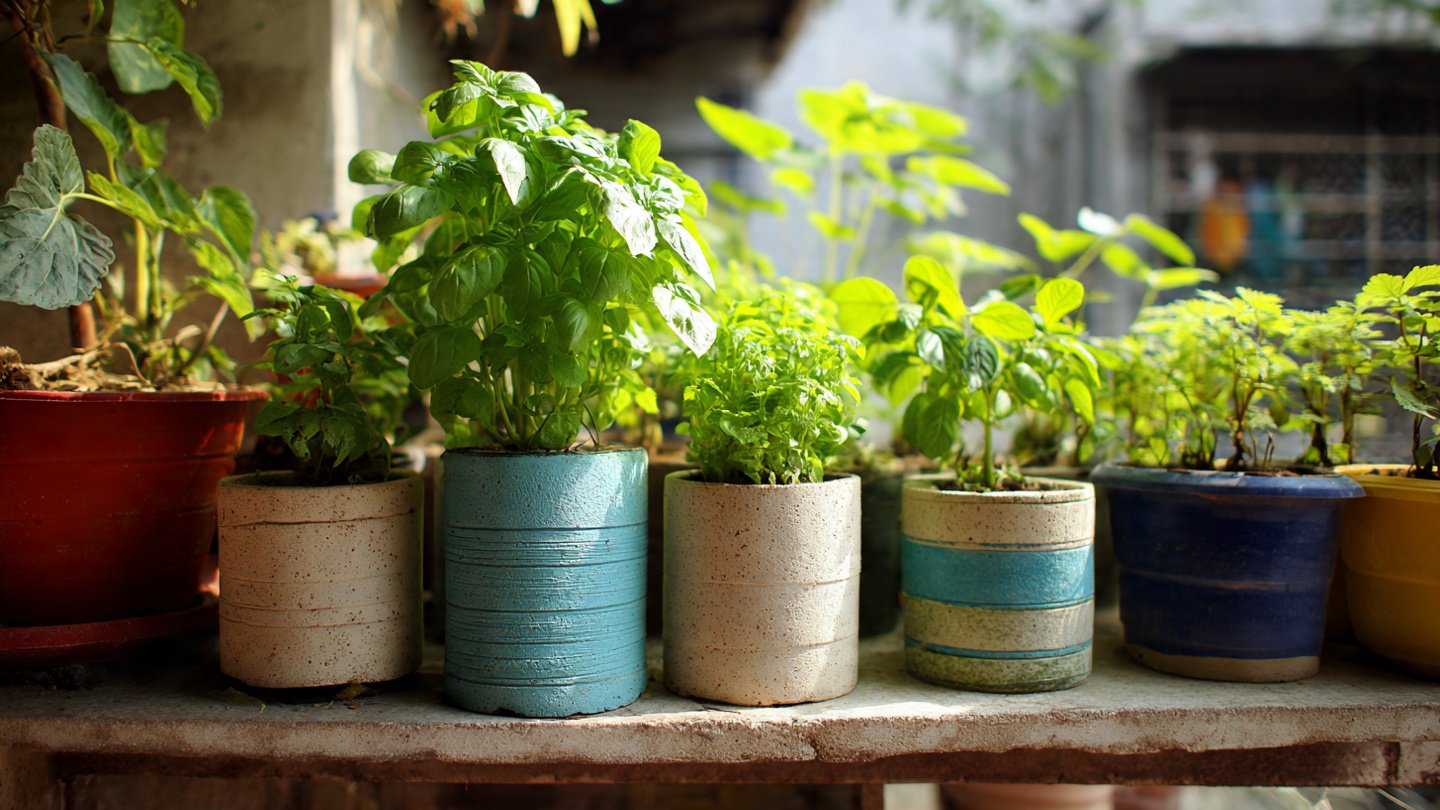
Gardening is a rewarding and relaxing activity, but it comes with responsibilities, especially when it comes to watering. Many plants suffer from inconsistent watering—too little or too much—and this can hinder their growth, cause stress, or even kill them. Enter self-watering pots: a modern solution designed to make plant care easier, improve plant health, and save time.
Self-watering pots are containers that store water in a reservoir, allowing plants to absorb it as needed through a wicking system. These innovative pots are ideal for busy gardeners, urban dwellers, and anyone looking to maintain lush, healthy plants without constant monitoring. This guide will walk you through how to use self-watering pots effectively, the benefits they offer, and tips for maximizing plant growth.
Understanding Self-Watering Pots
Self-watering pots come in various designs, but the concept is simple: a water reservoir located at the bottom of the container provides a steady supply of water to the plant’s roots.
- Wicking Mechanism: Most pots use a wicking system—either a built-in wick or a soil structure that draws water upward as the soil dries.
- Water Reservoir: Holds extra water, reducing the frequency of watering and allowing roots to access moisture gradually.
- Overflow Hole: Prevents overfilling and protects against waterlogging.
By keeping soil consistently moist without oversaturation, self-watering pots help plants thrive while reducing maintenance for gardeners.
Benefits of Using Self-Watering Pots
Self-watering pots offer numerous advantages for both indoor and outdoor gardening:
- Consistent Moisture: Plants receive water as needed, reducing stress caused by fluctuating moisture levels.
- Time-Saving: Less frequent watering allows busy gardeners to maintain plants effortlessly.
- Healthier Roots: Encourages deep root growth by drawing roots toward the water source.
- Water Efficiency: Reduces water waste compared to traditional watering methods.
- Reduced Risk of Overwatering: The reservoir system minimizes root rot and soil compaction.
- Ideal for Travel: Gardeners can leave plants unattended for several days or weeks, depending on plant size and pot capacity.
Overall, self-watering pots make gardening more forgiving and accessible for beginners and experts alike.
Choosing the Right Self-Watering Pot
Selecting the right pot is crucial for plant health and optimal growth:
- Size: Choose a pot large enough to accommodate the plant’s root system and the water reservoir. Larger reservoirs are ideal for water-loving plants or busy gardeners.
- Material: Pots come in plastic, ceramic, and fiberglass. Plastic is lightweight and affordable, while ceramic offers durability and aesthetic appeal.
- Plant Type: Some plants, such as herbs, leafy greens, and tropical houseplants, thrive in self-watering pots. Succulents or cacti may not be ideal, as they prefer drier conditions.
- Design Features: Look for a visible water level indicator, an overflow hole, and a detachable reservoir for easy refilling and cleaning.
Choosing the right pot ensures that your plants receive adequate moisture and thrive over time.
Preparing the Pot for Planting
Proper preparation is key to maximizing the benefits of a self-watering pot:
- Check the Reservoir: Ensure the reservoir is clean and free of debris. This prevents algae growth and promotes healthy root development.
- Add a Barrier Layer: Some pots benefit from a layer of small rocks or coarse sand at the bottom of the soil to separate it from the reservoir and prevent clogging.
- Use Well-Draining Soil: Even though self-watering pots retain moisture, well-draining soil is essential. A mix of potting soil and perlite or coconut coir works well.
- Install Wicks (If Needed): For pots without built-in wicking, use cotton or synthetic wicks that draw water from the reservoir into the soil.
Proper preparation ensures water is delivered efficiently and consistently to the plant’s roots.
Planting in a Self-Watering Pot
Once the pot is prepared, planting is straightforward:
- Add Soil: Fill the pot with soil, leaving space at the top for the plant and watering.
- Plant Carefully: Position your plant in the soil, ensuring the root ball makes contact with the soil. Avoid burying the crown of the plant.
- Top Up Soil: Fill around the roots gently, pressing lightly to remove air pockets while keeping soil fluffy.
- Water Initial Planting: Add water to the reservoir to start the wicking process. Monitor soil moisture over the first few days to ensure proper absorption.
Once planted, your self-watering pot will maintain consistent moisture with minimal intervention.
Watering and Maintenance
Although self-watering pots reduce watering frequency, proper maintenance is still essential:
- Monitor Water Levels: Most pots have indicators to show reservoir levels. Refill when water is low to ensure uninterrupted growth.
- Flush Occasionally: Every 4–6 weeks, flush the soil with water to remove accumulated salts and minerals from fertilizers.
- Prune Plants: Trim dead or yellowing leaves to encourage new growth and prevent disease.
- Clean Reservoir: Periodically clean the reservoir to prevent algae or mold buildup.
By staying attentive to these simple maintenance tasks, plants can thrive in self-watering systems.
Choosing Plants for Self-Watering Pots
Self-watering pots are ideal for many indoor and outdoor plants:
- Herbs: Basil, parsley, cilantro, and mint thrive in consistent moisture.
- Leafy Greens: Lettuce, spinach, kale, and arugula grow quickly and produce abundant harvests.
- Tropical Houseplants: Monstera, philodendrons, pothos, and ferns enjoy consistent humidity and moisture.
- Flowering Plants: Geraniums, begonias, impatiens, and petunias benefit from a steady water supply.
Avoid using self-watering pots for cacti, succulents, or other drought-tolerant plants that require dry conditions between waterings.
Fertilizing in Self-Watering Pots
Consistent moisture also affects nutrient uptake. Fertilizing properly ensures vigorous growth:
- Type: Use water-soluble fertilizers for the best absorption.
- Frequency: Feed plants every 2–4 weeks during the growing season.
- Dilution: Reduce fertilizer concentration slightly, as nutrients can accumulate in self-watering pots.
- Organic Options: Compost tea or liquid seaweed extract works well for organic gardening.
Balanced fertilization complements the consistent watering, leading to lush, healthy growth.
Troubleshooting Common Problems
Even with self-watering pots, problems can arise:
- Yellow Leaves: Often caused by over-fertilization, poor drainage, or stagnant water. Reduce fertilizer and check soil for drainage issues.
- Root Rot: Rare but possible if the reservoir is overfilled or the pot is poorly designed. Ensure overflow holes are working and soil is well-draining.
- Algae Growth: Prevent by cleaning reservoirs and using opaque pots to limit sunlight on the water.
- Pests: Aphids or fungus gnats may still appear. Treat with insecticidal soap or neem oil as needed.
By addressing issues promptly, plants continue to flourish in a self-watering system.
Tips for Maximum Success
- Use Quality Soil: Lightweight, nutrient-rich, and well-draining soil ensures healthy roots.
- Monitor Water Levels: Refill reservoirs regularly to prevent plants from drying out.
- Avoid Direct Sun on Reservoir: Prevents algae growth and overheating of the water.
- Pair with Appropriate Plants: Choose moisture-loving species for best results.
- Rotate Plants: Ensure even light exposure for balanced growth.
- Regular Maintenance: Pruning, fertilizing, and cleaning improve plant health.
Advantages for Busy Gardeners and Urban Spaces
Self-watering pots are ideal for busy lifestyles and limited spaces:
- Low Maintenance: Ideal for those with a hectic schedule.
- Urban Gardening: Perfect for balconies, windowsills, and small patios.
- Travel-Friendly: Plants remain hydrated for several days, making them perfect for short trips.
- Sustainable Gardening: Reduces water waste and encourages efficient use of resources.
Self-watering pots make growing plants easy, sustainable, and enjoyable for gardeners of all skill levels.
Conclusion
Self-watering pots are a practical and effective way to maintain healthy plants with minimal effort. By providing consistent moisture, encouraging deep root growth, and reducing watering frequency, these innovative containers simplify plant care while promoting vigorous growth. Whether used for herbs, leafy greens, tropical houseplants, or flowering annuals, self-watering pots help gardeners achieve lush, thriving plants without the stress of constant monitoring.
From choosing the right pot and soil to planting, watering, fertilizing, and troubleshooting, this guide provides everything you need to use self-watering pots effectively. By integrating these pots into your indoor or outdoor garden, you can enjoy beautiful, healthy plants year-round, even with a busy lifestyle or limited space.
With the right setup, proper maintenance, and a little attention to detail, self-watering pots transform gardening from a chore into an effortless and enjoyable experience, allowing anyone to grow plants successfully and sustainably.