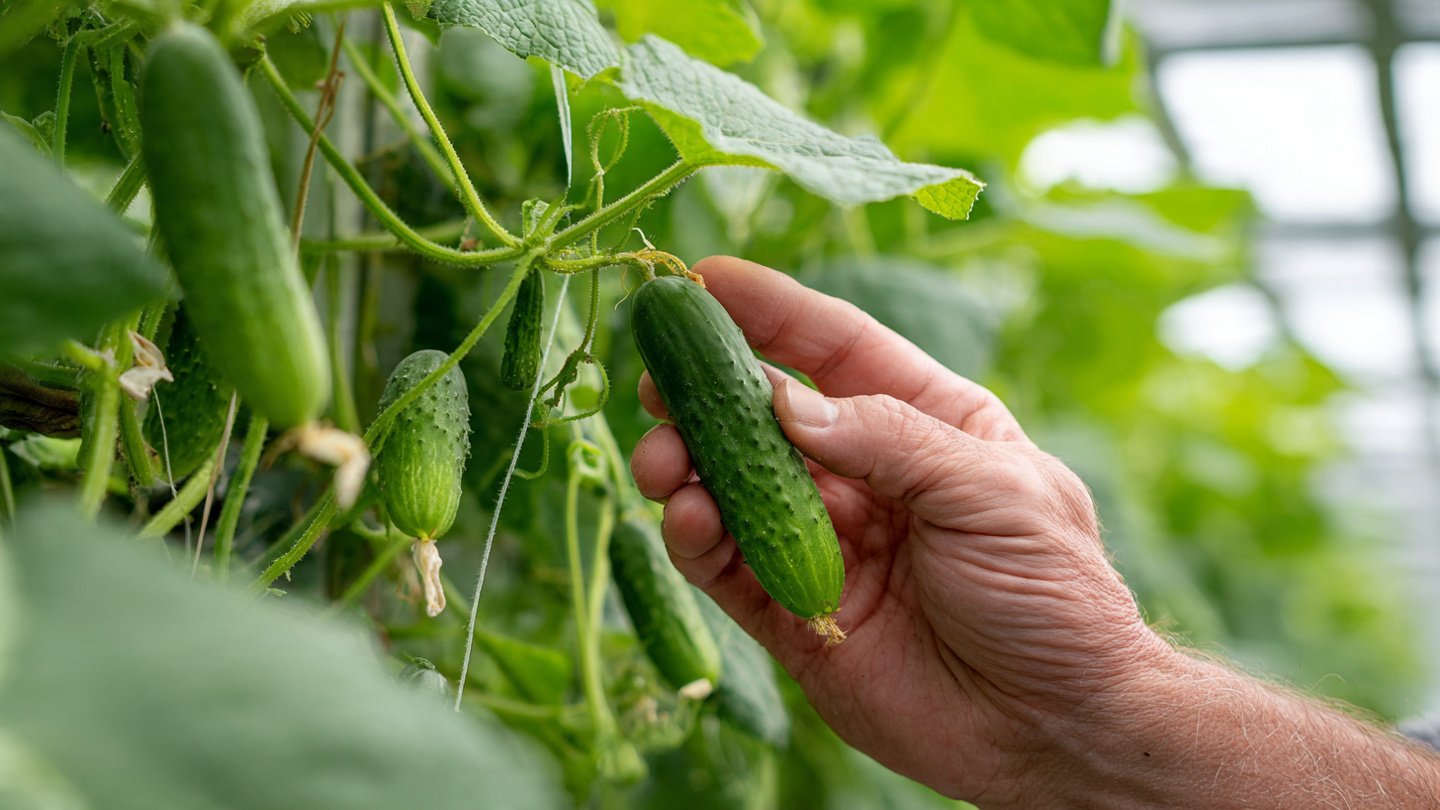
Growing cucumbers at home is one of the most satisfying gardening experiences, especially for beginners. Cucumbers are versatile, nutritious, and perfect for salads, pickles, or simply snacking fresh from your garden. The best part is that they can be grown in various settings, including small backyards, balconies, or even indoors with containers. With the right approach, beginners can enjoy a bountiful harvest of crisp, flavorful cucumbers without needing extensive gardening experience.
This complete step-by-step guide will take you through everything you need to know to successfully grow cucumbers at home.
Understanding Cucumbers
Before you start planting, it’s important to understand what cucumbers need to thrive. Cucumbers are warm-season plants that belong to the gourd family. They require plenty of sunlight, regular watering, and nutrient-rich soil. Most cucumber varieties are either slicing cucumbers, which are ideal for fresh eating, or pickling cucumbers, which are better suited for preservation.
For home gardening, choosing the right variety is key. Some popular beginner-friendly cucumber varieties include:
- Bush varieties: Ideal for containers or small spaces. Examples: ‘Bush Champion,’ ‘Spacemaster.’
- Vining varieties: Require trellises but produce higher yields. Examples: ‘Marketmore,’ ‘Lemon Cucumber.’
Step 1: Choosing Seeds or Seedlings
Beginners can start cucumbers either from seeds or young seedlings. Starting from seeds is more cost-effective and allows you to select from a wider variety of cucumber types. Seeds can be sown directly in the garden or in containers.
Tips for selecting seeds:
- Choose disease-resistant varieties, especially if you’re planting outdoors.
- Consider your growing space—bush varieties for small areas, vining varieties for larger spaces or trellises.
If you prefer a faster start, purchasing healthy seedlings from a nursery is a convenient option.
Step 2: Preparing the Growing Area
Cucumbers require well-draining, fertile soil with a slightly acidic to neutral pH (6.0–7.0). They also need full sun, meaning at least 6–8 hours of sunlight per day.
For garden beds:
- Choose a sunny location with good air circulation.
- Loosen the soil to a depth of 12 inches and mix in compost or well-rotted manure to improve fertility.
- Ensure the area is free of weeds and debris.
For container planting:
- Use pots with drainage holes.
- Fill with high-quality potting mix enriched with compost.
- Containers should be at least 12–16 inches deep to accommodate root growth.
Step 3: Planting Cucumbers
From seeds:
- Sow seeds ½ inch deep into the soil.
- Space seeds 12–18 inches apart for bush varieties and 18–36 inches apart for vining varieties.
- Keep the soil moist but not waterlogged.
From seedlings:
- Dig a hole slightly larger than the root ball.
- Place the seedling in the hole and cover with soil.
- Water thoroughly after planting.
Starting seeds indoors 3–4 weeks before the last frost date can give cucumbers a head start, especially in cooler climates.
Step 4: Watering
Cucumbers require consistent moisture, particularly during flowering and fruit development. Uneven watering can lead to bitter-tasting fruit or splitting.
Watering tips:
- Water deeply once or twice a week rather than shallow watering every day.
- Keep the soil evenly moist but not soggy.
- Mulch around the plants to retain moisture and suppress weeds.
Indoor or container plants may require more frequent watering due to quicker soil drying.
Step 5: Providing Support for Vining Varieties
Vining cucumber varieties benefit greatly from trellises, cages, or stakes. Growing vertically saves space, improves air circulation, and reduces the risk of diseases caused by damp foliage.
How to provide support:
- Use a strong trellis or cage that can handle the weight of mature cucumber plants.
- Gently tie the vines to the support with soft garden ties.
- Train the vines as they grow upward, regularly checking for tangles or overgrowth.
Bush varieties generally don’t require support but will benefit from staking if the branches start sprawling.
Step 6: Fertilizing Your Cucumbers
Cucumbers are heavy feeders and require regular nutrients to grow healthy foliage and fruit. A balanced fertilizer or organic compost works well.
Fertilizing tips:
- Before planting, mix compost or slow-release fertilizer into the soil.
- Once the plants are established, apply a liquid fertilizer every 2–3 weeks.
- Focus on fertilizers rich in nitrogen early for leaf growth, and phosphorus and potassium later to encourage flowering and fruiting.
Avoid over-fertilizing, as this can lead to excessive foliage growth with fewer fruits.
Step 7: Pollination
Cucumbers produce both male and female flowers. For fruit to form, pollination is required. Outdoor plants benefit from bees and other pollinators. For indoor plants, you may need to hand-pollinate.
Hand-pollination technique:
- Identify male flowers (thin stem, no small fruit at base) and female flowers (swollen base where fruit will develop).
- Gently transfer pollen from male to female flowers using a small brush or cotton swab.
- Repeat daily during the flowering period to increase fruit set.
Step 8: Pest and Disease Management
Cucumbers can attract pests such as aphids, cucumber beetles, and spider mites. Diseases like powdery mildew and downy mildew can also affect growth.
Tips for beginners:
- Inspect plants regularly for pests and remove affected leaves promptly.
- Use organic insecticidal soap or neem oil for minor infestations.
- Ensure good air circulation to prevent fungal diseases.
- Rotate crops each season to reduce disease buildup in the soil.
Step 9: Harvesting Cucumbers
Harvesting at the right time ensures the best taste and texture. Overripe cucumbers can become bitter or seedy.
When to harvest:
- Slicing cucumbers: 6–8 inches long.
- Pickling cucumbers: 3–5 inches long.
Harvesting tips:
- Use a sharp knife or garden scissors to cut the fruit.
- Harvest regularly to encourage continuous production.
- Handle cucumbers gently to avoid bruising.
Step 10: Tips for Successful Cucumber Growth
- Temperature: Cucumbers grow best in temperatures between 70–85°F during the day and 60–70°F at night.
- Mulching: Apply organic mulch around plants to retain soil moisture and suppress weeds.
- Companion Planting: Plant cucumbers near beans, corn, or radishes to improve growth and reduce pests.
- Rotate Crops: Avoid planting cucumbers in the same spot year after year to prevent soil-borne diseases.
Advantages of Growing Cucumbers at Home
- Freshness: Enjoy cucumbers at their peak flavor, free from chemicals.
- Cost-effective: Home-grown cucumbers reduce grocery bills.
- Satisfaction: Watching cucumbers grow from seeds to harvest is rewarding.
- Health Benefits: Cucumbers are rich in vitamins, antioxidants, and hydration.
Common Challenges and How to Overcome Them
- Yellowing leaves: May indicate overwatering, underwatering, or nutrient deficiency. Adjust watering and fertilization.
- Bitter fruit: Often caused by inconsistent watering or heat stress. Maintain even soil moisture.
- Poor flowering: Lack of pollination or nutrients. Ensure flowers are pollinated and fertilize regularly.
Conclusion
Growing cucumbers at home is a fulfilling and approachable gardening project for beginners. By following this step-by-step guide, you can cultivate healthy cucumber plants, whether in a garden bed, balcony container, or indoors. Key takeaways include selecting the right variety, providing sufficient sunlight and water, supporting vining plants, and maintaining soil fertility. With patience, care, and regular attention, you can enjoy a continuous harvest of fresh, crisp cucumbers from the comfort of your home.
Remember, gardening is a learning process. Each season will teach you more about your plants’ needs and preferences. With consistent care and observation, your cucumber plants will thrive, giving you both the joy of gardening and delicious produce for your meals.