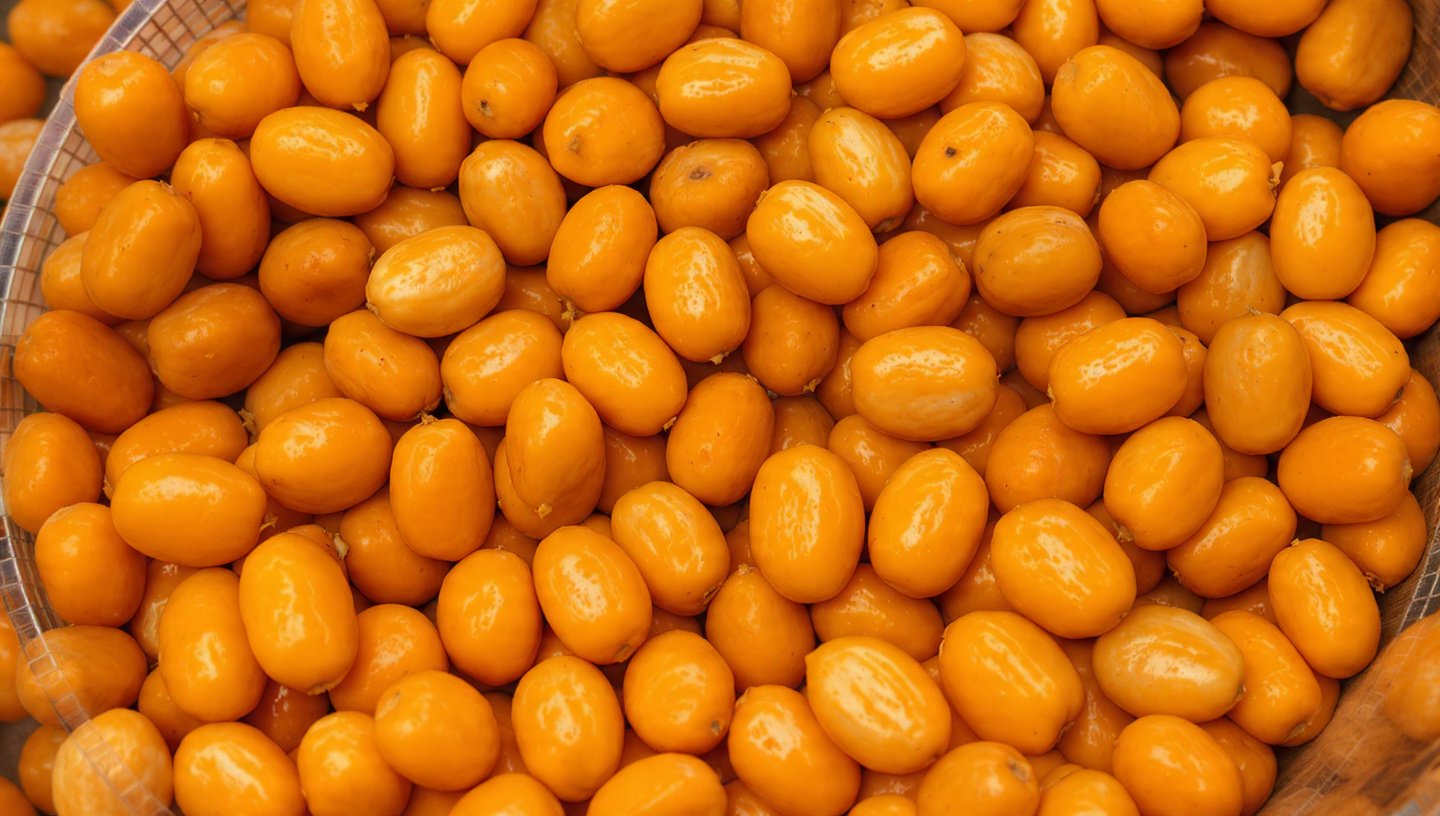
Tamarind (Tamarindus indica), a tropical fruit prized for its tangy flavor, versatile culinary uses, and industrial applications, is grown in many parts of the world. From savory curries in South Asia to sweet beverages in Latin America, tamarind has found its way into diverse cuisines and markets. But when it comes to sheer production volume, one country stands head and shoulders above the rest.
In this comprehensive article, we explore which country currently leads tamarind production globally, why it dominates the market, where other major producers stand, and how this influences global trade and local economies.
The Global Leader: India
India is the largest producer of tamarind in the world—by a significant margin. It contributes more than half of the world’s tamarind output, thanks to favorable climatic conditions, widespread cultivation, and deep cultural and culinary roots for the fruit. Estimates suggest India produces around 300,000 metric tons of tamarind annually, making it the undisputed leader in global production.
Why India Leads
There are several reasons why India dominates tamarind production:
- Ideal Climate: Tamarind trees thrive in tropical and subtropical climates with warm temperatures and distinct dry seasons—conditions found across much of India’s central and southern regions.
- Extensive Cultivation Areas: Large swathes of India’s agricultural landscape are suitable for tamarind, particularly in states like Karnataka, Tamil Nadu, Andhra Pradesh, Telangana, and Kerala.
- Cultural Significance: Tamarind is an essential ingredient in many traditional Indian dishes, such as sambar, chutneys, rasam, and curries. This cultural demand drives widespread cultivation and local processing.
- Processing and Export Infrastructure: India also has well-established processing facilities for tamarind pulp, extract, and related products, supporting both domestic consumption and exports.
Other Major Tamarind Producers Around the World
While India leads by production volume, other countries also make significant contributions. Here’s a look at the top players in the global tamarind market:
Thailand
Thailand ranks as the second-largest producer of tamarind, with an estimated production of around 150,000 metric tons per year. Thai tamarind is particularly valued for its high-quality pulp and pastes, which are exported to various Asian and European markets.
The country’s warm tropical climate and established agricultural practices support large-scale plantations, especially in regions with consistent sunshine and well-drained soils.
Indonesia
Indonesia is another notable producer, with production figures around 90,000 metric tons annually. While much of this tamarind is consumed domestically, Indonesia’s output contributes to regional markets and supports local culinary traditions, particularly in Southeast Asian cooking.
Mexico
In the Americas, Mexico stands out as a leading tamarind producer, with about 50,000 metric tons produced per year. Mexican tamarind is widely used in beverages, candies, and sauces and has cultural importance across the country.
Nigeria and Other African Producers
Nigeria also contributes a meaningful share to global tamarind production, with annual output estimated at around 40,000 metric tons. Although much of the production is consumed domestically, there is potential for increased export.
Other countries in Africa, such as Sudan, have smaller but locally significant levels of cultivation, though their production remains largely for local consumption rather than export markets.
Other Minor Producers
Countries such as Costa Rica, Sri Lanka, the Philippines, and Bangladesh also grow tamarind, but their production levels are comparatively modest and often focused on domestic markets.
Understanding Global Tamarind Production Trends
Dominance of the Asia-Pacific Region
The Asia-Pacific region dominates global tamarind production, accounting for a substantial share of output. This dominance is driven by India’s leadership and significant contributions from Southeast Asian countries like Thailand and Indonesia. Regional culinary traditions and established agricultural systems help sustain high production levels.
Growing Global Demand
Tamarind is not just a culinary ingredient—it is also used in beverages, sauces, confectionery, cosmetics, and traditional medicines. The growing popularity of ethnic cuisines worldwide, combined with an increased interest in natural ingredients, is expanding global demand for tamarind products.
Export and Trade
India not only produces the most tamarind but is also a major exporter. It supplies raw tamarind and processed products to markets in Europe, the Middle East, and the United States. Thailand and Mexico also play important roles in export supply chains.
However, some countries, particularly in Africa, have untapped potential due to limited commercial cultivation and processing infrastructure. Investments in these areas could lead to expanded production and market opportunities.
Challenges Facing Tamarind Producers
Despite strong production figures, several challenges affect the tamarind industry:
Climatic Vulnerability
Tamarind trees prefer warm, dry conditions and are sensitive to frost and extreme weather fluctuations. Climate change and unpredictable rainfall patterns can affect yields.
Data and Reporting Gaps
Because tamarind is often grown in rural or semi-wild settings, comprehensive production data can be hard to collect, making it difficult to track exact output numbers across countries.
Limited Processing in Some Regions
While countries like India and Thailand have developed processing industries, smaller producers often lack the infrastructure to add value or export their output, limiting their participation in global markets.
Final Thoughts
So, which country is the largest producer of tamarind in the world right now? The answer is clear: India leads global tamarind production by a significant margin, producing an estimated 300,000 metric tons per year thanks to favorable climate, extensive cultivation, and strong local and export demand.
Following India are other significant producers like Thailand, Indonesia, Mexico, and Nigeria, each contributing to the global supply but at much lower volumes. Together, these countries support a thriving global tamarind market that continues to grow as demand increases for this versatile and flavorful fruit.
Whether for culinary use, traditional medicine, or industrial applications, tamarind remains a globally important crop—one that bridges cultures, cuisines, and continents.