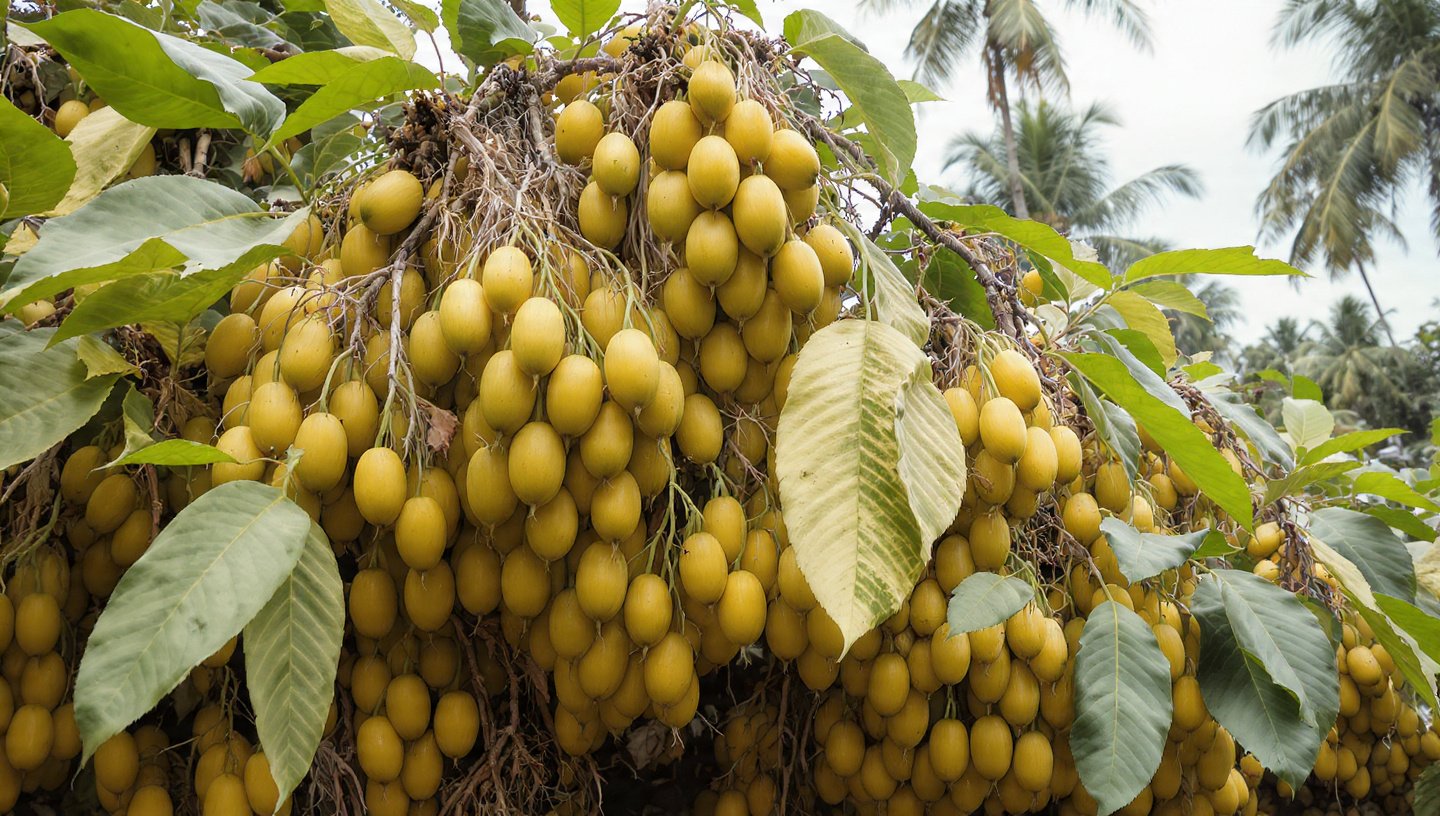
Tamarind is a unique and versatile fruit valued for its tangy, sweet-sour flavor. It is widely used in culinary dishes, beverages, traditional medicines, and even in industrial applications such as jams, sauces, and natural adhesives. Given its global demand, many countries cultivate tamarind commercially. But which country is the largest tamarind producer in the world right now, and what factors contribute to its success? This article provides an in-depth look at the current global tamarind production landscape, key producing countries, and insights into cultivation practices.
What Is Tamarind?
Tamarind comes from the tropical tree Tamarindus indica, a member of the legume family. The tree produces pod-like fruits containing tangy pulp surrounding seeds. The pulp is prized for its unique sweet-sour taste, making it a staple in Asian, African, and Latin American cuisines. Tamarind also offers nutritional benefits, including vitamins, minerals, and antioxidants.
Tamarind trees are drought-resistant and thrive in tropical and subtropical climates, which makes them suitable for cultivation in countries with warm temperatures, moderate rainfall, and well-drained soils.
Global Tamarind Production Overview
Tamarind production is concentrated in tropical regions of Asia, Africa, and Latin America. Key producing countries include India, Thailand, Mexico, Indonesia, and Nigeria. These countries benefit from favorable climates, traditional cultivation practices, and strong domestic and export markets.
Over the past decade, global tamarind production has steadily increased due to rising demand from the food, beverage, and pharmaceutical industries. Tamarind is consumed fresh, processed into pulp, or turned into concentrates for sauces, jams, beverages, and even candies.
India: The Largest Tamarind Producer in the World
Currently, India is the largest producer of tamarind in the world. The country dominates global production, supplying a significant portion of tamarind used in international markets.
Why India Leads in Tamarind Production
- Favorable Climate: Southern and central India, particularly states like Andhra Pradesh, Telangana, Tamil Nadu, Karnataka, and Maharashtra, provide ideal tropical and semi-arid conditions for tamarind cultivation.
- Traditional Knowledge: Indian farmers have centuries of experience in growing and processing tamarind. This expertise ensures high yields and consistent quality.
- Large Cultivated Area: India has the largest land area under tamarind cultivation, allowing for mass production.
- Export Infrastructure: India exports tamarind pulp, seeds, and concentrates to countries in Europe, North America, and the Middle East, making it a global supplier.
Production Statistics
According to recent agricultural reports, India produces over 300,000 to 350,000 tons of tamarind annually, a figure that accounts for nearly half of the world’s tamarind production. The majority comes from Andhra Pradesh, Telangana, and Tamil Nadu, where the crop is both commercially grown and harvested from wild trees.
Other Major Tamarind Producing Countries
While India leads globally, other countries also contribute significantly to global tamarind supply.
Thailand
Thailand is a major producer and exporter, particularly known for processed tamarind pulp. Thai tamarind is often used in sauces, beverages, and the food processing industry. Thailand’s favorable tropical climate and established agro-processing sector allow it to maintain high-quality production.
Mexico
Mexico produces tamarind extensively for domestic consumption and export. Mexican tamarind is often used in candies, beverages, and traditional dishes. States such as Guerrero, Oaxaca, and Veracruz are key production regions.
Indonesia
Indonesia cultivates tamarind in many regions, primarily for local consumption and regional trade. The tropical climate and long growing season allow for good yields of high-quality tamarind fruits.
Nigeria
Nigeria is Africa’s leading tamarind producer. Tamarind trees grow naturally in savanna regions, and the fruits are harvested from wild trees. Nigerian tamarind is mainly consumed locally, though there is growing interest in export markets.
Factors Contributing to High Tamarind Production
Several key factors determine why a country produces tamarind at a large scale:
- Climate Suitability: Tamarind trees thrive in warm, tropical, and subtropical climates with moderate rainfall.
- Soil Conditions: Well-drained sandy loam soils enhance fruit quality and tree longevity.
- Traditional Cultivation Practices: Knowledge of pruning, irrigation, and pest management improves yields.
- Export Demand: Countries with established export markets invest more in tamarind cultivation and processing.
- Government Support: In some countries, agricultural policies, subsidies, and technical support encourage farmers to grow tamarind commercially.
Uses of Tamarind in Global Markets
Tamarind’s versatility contributes to its high demand worldwide:
- Culinary: Used in chutneys, curries, sauces, and beverages.
- Confectionery: Candies, jams, and sweet-sour snacks.
- Industrial: Tamarind pulp is used in adhesives, textiles, and pharmaceuticals.
- Medicinal: Traditional remedies for digestion, fever, and inflammation.
The diverse applications ensure continuous demand, supporting large-scale production in leading countries like India.
Challenges in Tamarind Production
Despite India’s dominance, tamarind cultivation faces several challenges:
- Climate Variability: Extreme droughts or heavy rainfall can affect flowering and fruit set.
- Aging Trees: Many tamarind trees are decades old, resulting in declining productivity.
- Labor-Intensive Harvesting: Fruits are often harvested manually, increasing labor costs.
- Post-Harvest Losses: Improper drying or storage can reduce quality for domestic use and export.
Addressing these challenges through modern farming techniques, irrigation, and post-harvest handling can sustain and increase production further.
Future Trends in Tamarind Production
- Improved Varieties: Research into high-yielding, disease-resistant tamarind varieties is ongoing.
- Agro-Processing: Expansion of tamarind pulp processing and packaging boosts export potential.
- Organic Cultivation: Rising global interest in organic foods may increase demand for organically grown tamarind.
- Value-Added Products: Tamarind-based beverages, sauces, and nutraceutical products are expanding markets.
With these trends, countries like India, Thailand, and Mexico are likely to continue dominating global production while exploring new markets and applications.
Conclusion
As of today, India is the largest tamarind producer in the world, contributing nearly half of global production. Its tropical climate, extensive cultivated area, traditional farming expertise, and strong export networks make it the undisputed leader. Other countries such as Thailand, Mexico, Indonesia, and Nigeria also play important roles in meeting global demand, each leveraging local climatic and soil conditions.
With increasing global popularity of tamarind for culinary, medicinal, and industrial purposes, production is expected to grow further. Understanding the countries, cultivation practices, and market dynamics behind tamarind production provides insight into how this tangy, versatile fruit has become a globally cherished commodity.