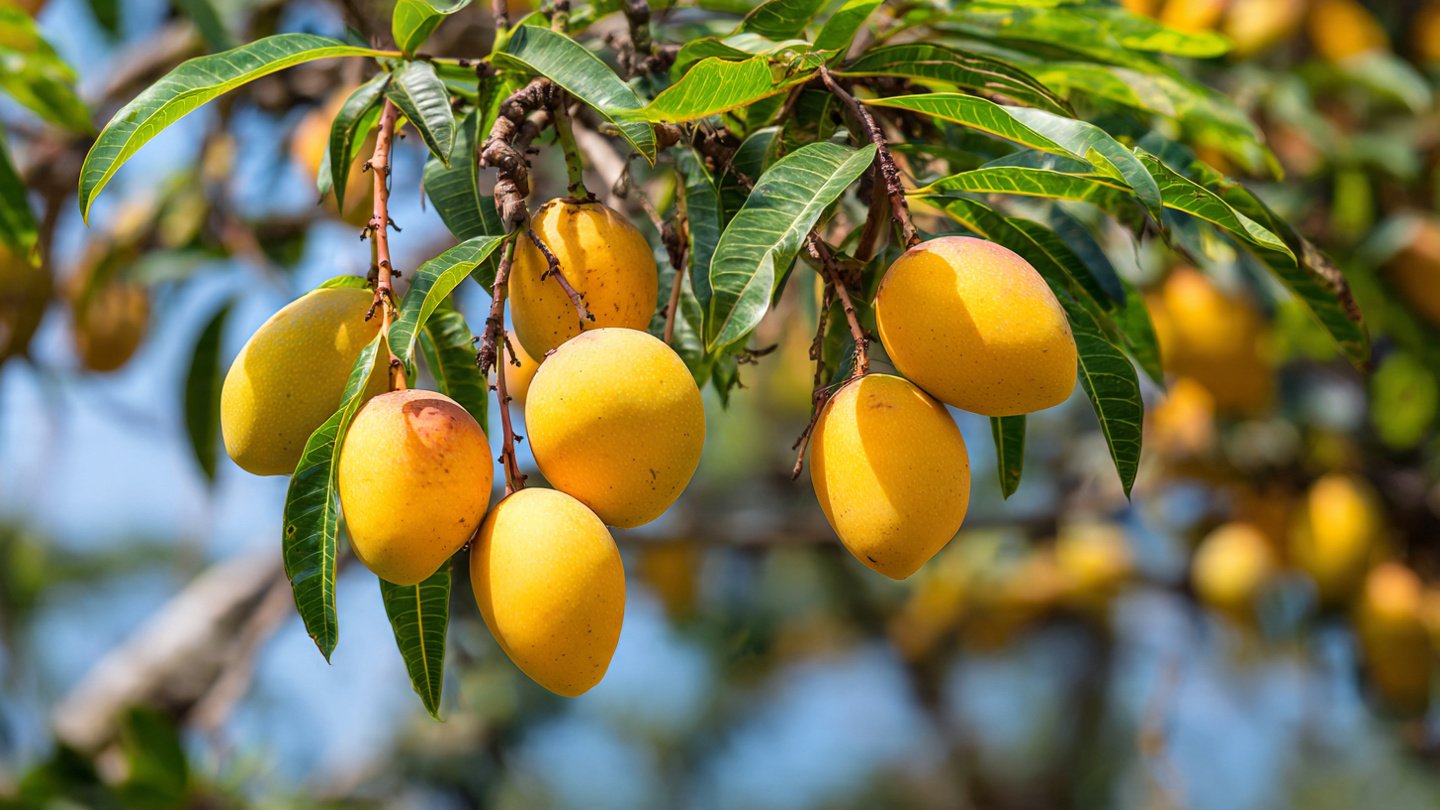
Mangoes, often referred to as the “king of fruits,” are loved worldwide for their sweet, juicy flesh and tropical flavor. From smoothies and desserts to salads and chutneys, mangoes are a versatile fruit enjoyed across cultures. But have you ever wondered where most of the world’s mangoes come from, and why certain countries dominate global production? Understanding the origins, growing conditions, and historical significance of mango cultivation provides fascinating insight into this beloved fruit.
This article explores the primary mango-producing countries, the reasons behind their dominance, and what makes these regions ideal for mango cultivation.
The Origins of Mangoes
Mangoes (Mangifera indica) are native to South Asia, particularly India and Myanmar. Archaeological evidence suggests mango cultivation began in India over 4,000 years ago. The fruit quickly became integral to culture, cuisine, and economy, spreading across Asia, the Middle East, and eventually to the Americas during the 16th century through Portuguese traders.
The tropical and subtropical climates of these regions allowed mango trees to thrive, making them some of the earliest centers of cultivation. Today, mango cultivation has expanded worldwide, but historical origins continue to influence production patterns and varieties.
Top Mango-Producing Countries
While mangoes are grown in many tropical countries, a few nations dominate global production:
- India
- India is by far the largest producer of mangoes, contributing nearly 40–50% of the world’s total supply.
- Major growing regions include Uttar Pradesh, Maharashtra, Andhra Pradesh, Karnataka, and Bihar.
- Popular varieties like Alphonso, Kesar, and Banganapalli are highly sought after both domestically and internationally.
- Favorable climate, fertile soil, and centuries of cultivation knowledge give India a distinct advantage.
- China
- China has emerged as one of the top mango producers, especially in Hainan and Yunnan provinces.
- Improved agricultural techniques and irrigation systems allow for large-scale production.
- Thailand
- Thailand produces high-quality mangoes like Nam Dok Mai and Keo Savoy, popular for both domestic consumption and export.
- Thailand’s tropical climate with consistent warmth and rainfall is ideal for mango trees.
- Mexico
- Mexico is the leading exporter of mangoes to North America, supplying the United States and Canada with varieties such as Ataulfo, Haden, and Tommy Atkins.
- Coastal regions like Sinaloa, Nayarit, and Chiapas provide fertile soils and adequate rainfall.
- Pakistan
- Pakistan is known for varieties like Chaunsa, Sindhri, and Anwar Ratol.
- Mangoes thrive in Sindh and Punjab provinces due to hot summers and dry winters, which enhance fruit sweetness and flavor.
Other notable producers include Brazil, Indonesia, Philippines, and Egypt. Together, these countries meet the majority of global demand for fresh and processed mango products.
Why These Countries Dominate Mango Production
Several factors explain why certain countries produce most of the world’s mangoes:
1. Climate:
Mangoes require tropical to subtropical climates with warm temperatures and distinct dry and wet seasons. Areas with hot summers and minimal frost provide ideal conditions for flowering, fruit setting, and sugar accumulation.
2. Soil Conditions:
Mango trees grow best in well-draining, loamy soils with moderate fertility. Regions with sandy-loam soil prevent waterlogging, which can harm roots. Soil pH between 5.5 and 7.5 is optimal for nutrient absorption.
3. Historical Cultivation Knowledge:
Countries like India have centuries of experience in mango cultivation. Traditional practices, grafting techniques, pruning methods, and varietal selection have been refined over generations, ensuring high yields and superior fruit quality.
4. Water Availability and Irrigation:
Mango trees need adequate moisture during flowering and fruit development but prefer drier conditions during ripening. Areas with accessible water resources and irrigation systems can sustain larger orchards and ensure consistent production.
5. Varietal Diversity:
Countries with diverse mango varieties can cater to both domestic and export markets. India, for example, produces hundreds of varieties, each with unique flavors, shapes, and colors, allowing it to dominate global trade.
Mango Export and Trade Patterns
While countries like India produce the most mangoes, not all are exported. India consumes a large portion domestically, but exports still make up a significant global supply. Key export markets include the Middle East, Europe, and Southeast Asia.
Mexico, in contrast, focuses heavily on exports, particularly to North America. Seasonal advantages allow Mexican mangoes to reach markets when other producers are out of season, making them a reliable supplier to the U.S. and Canada. Thailand also exports mangoes across Asia and Europe, leveraging high-quality varieties for premium markets.
Mango Varieties and Regional Specialties
The diversity of mango varieties contributes to production dominance:
- Alphonso (India): Known for its rich sweetness and aromatic flavor.
- Ataulfo (Mexico): Creamy texture and small size, ideal for export.
- Nam Dok Mai (Thailand): Sweet, fiberless, and highly prized for desserts.
- Chaunsa (Pakistan): Juicy and aromatic, famous for sweetness and vibrant color.
Regional expertise in growing, harvesting, and post-harvest handling ensures that these varieties maintain their premium status in domestic and international markets.
Challenges in Global Mango Production
Despite high production, mango cultivation faces challenges:
- Pests and Diseases: Mango trees are susceptible to fruit flies, anthracnose, and powdery mildew. Integrated pest management is crucial.
- Climate Change: Unpredictable rainfall, heat waves, or cold snaps can reduce yields and affect fruit quality.
- Post-Harvest Losses: Mangoes are highly perishable. Poor handling or transportation can lead to significant losses.
Producers continuously innovate with grafting, irrigation, and storage techniques to mitigate these issues and sustain global supply.
Conclusion
Most of the world’s mangoes come from countries with ideal tropical climates, fertile soils, and centuries of cultivation experience. India leads production, followed by countries like China, Thailand, Mexico, and Pakistan. The combination of climate, soil, traditional knowledge, irrigation, and varietal diversity explains why these countries dominate the global mango market.
Understanding these factors helps us appreciate the science, history, and labor behind the mangoes we enjoy daily. From street markets in India to export shipments from Mexico, the journey of the mango reflects centuries of agricultural expertise and global trade.
Whether you are a gardener, a fruit lover, or an entrepreneur in the agricultural sector, knowing where mangoes come from and why certain regions excel in cultivation can guide planting choices, business decisions, and appreciation for this beloved fruit.