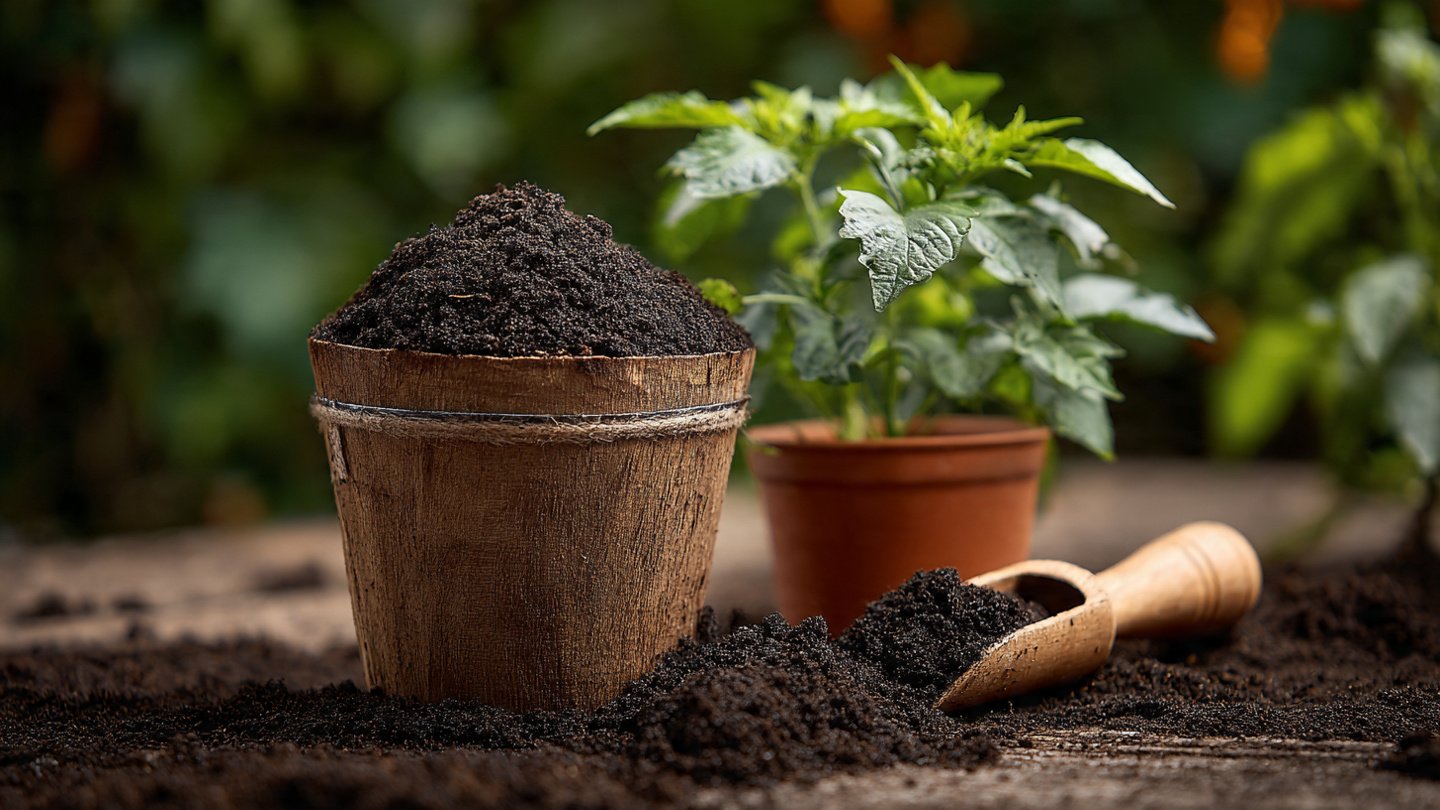
Coffee isn’t just a morning pick-me-up—it can also be a secret weapon for your garden. Used coffee grounds are rich in nutrients and organic matter, making them an excellent amendment for soil and a natural fertilizer for plants. When used correctly, coffee grounds can improve soil structure, attract beneficial organisms, and even deter pests. This guide will show you exactly how to use coffee grounds in your garden to promote healthier soil, stronger plants, and more productive harvests.
Why Coffee Grounds Are Great for Gardening
Coffee grounds are more than just waste—they are a treasure trove of nutrients. Here’s why they are beneficial:
- Nitrogen-rich: Coffee grounds are a good source of nitrogen, an essential nutrient for leafy growth.
- Organic matter: They improve soil texture and water retention.
- Beneficial microbes: Grounds support microorganisms that help decompose organic matter and release nutrients.
- Pest deterrent: Coffee grounds can repel certain pests like slugs and snails.
- Compost booster: Grounds are an excellent “green” component in compost piles.
Used properly, coffee grounds help create a balanced, fertile garden ecosystem.
How to Use Coffee Grounds in Your Garden
There are several ways to use coffee grounds depending on your plants and soil conditions.
1. As a Soil Amendment
- Sprinkle a thin layer of used coffee grounds (about 1/2 inch thick) directly onto garden beds.
- Mix lightly into the top layer of soil to prevent clumping.
- Avoid piling too thickly—coffee grounds can compact and create a water-resistant layer if overused.
This method improves soil structure, aeration, and nutrient content, making it ideal for vegetable gardens, flower beds, and lawns.
2. In Compost Piles
Coffee grounds are considered “green” material in composting.
- Add them in moderation with other compostable materials such as leaves, grass clippings, and vegetable scraps.
- Balance with “brown” materials like dry leaves, straw, or shredded paper to prevent odor and create proper decomposition.
- Turn your compost regularly to mix the grounds evenly.
Composting coffee grounds helps produce nutrient-rich humus that feeds plants naturally.
3. As Mulch
Coffee grounds can also be used as mulch around plants.
- Spread a thin layer around the base of plants, leaving space around stems to prevent mold or rot.
- Mulching with grounds retains soil moisture and keeps weeds down.
- Over time, the grounds decompose, releasing nitrogen into the soil.
Tip: Mix coffee grounds with other mulch materials like leaves or straw for better texture and to prevent crusting.
4. Making Liquid Fertilizer (Coffee Ground Tea)
Liquid fertilizer is an easy way to give plants a nutrient boost:
- Soak 1–2 cups of used coffee grounds in 2–3 liters of water overnight.
- Strain the mixture to remove solids.
- Pour the “coffee ground tea” directly onto plant soil as a natural fertilizer.
This provides plants with a quick nitrogen boost and helps improve soil microbial activity.
5. Controlling Pests
Coffee grounds can help deter certain pests naturally:
- Sprinkle grounds around the base of plants to keep slugs, snails, and ants away.
- The slightly abrasive texture and smell act as a natural barrier.
Note: Coffee grounds may not work for all pests, but they are a harmless, chemical-free addition to your garden defense.
Plants That Love Coffee Grounds
Not all plants respond the same way to coffee grounds. Some favorites include:
- Acid-loving plants: Azaleas, rhododendrons, blueberries, camellias, and gardenias thrive with coffee grounds.
- Vegetables: Leafy greens such as lettuce, spinach, kale, and cabbage benefit from the nitrogen boost.
- Flowers: Roses and marigolds respond well to regular coffee ground applications.
Tip: Test a small area before applying heavily to sensitive plants to avoid over-acidifying the soil.
Tips for Using Coffee Grounds Safely
While coffee grounds are beneficial, using them incorrectly can harm plants or soil.
- Moderation is key: Use thin layers rather than thick piles to prevent mold or compaction.
- Mix with other materials: Combine with compost, mulch, or soil for even nutrient distribution.
- Avoid over-acidification: Fresh coffee grounds are acidic, so allow them to cool and partially compost before heavy use.
- Keep away from seedlings: Young plants may be sensitive to concentrated coffee grounds.
By following these precautions, coffee grounds enhance rather than harm your garden.
Benefits Beyond Fertilization
Using coffee grounds in your garden provides benefits beyond just nutrients:
- Improved soil structure: Grounds help loosen compacted soil and increase aeration.
- Moisture retention: Organic matter holds water, reducing the need for frequent watering.
- Encourages earthworms: Earthworms love decomposing coffee grounds, which improves soil fertility naturally.
- Sustainable gardening: Reusing coffee grounds reduces waste and supports eco-friendly practices.
With these added benefits, coffee grounds become a multifunctional gardening tool.
Step-by-Step Guide to Using Coffee Grounds in Your Garden
- Collect and store used coffee grounds in a dry container until ready to use.
- Choose your application method: soil amendment, mulch, compost, or liquid fertilizer.
- Prepare the grounds by letting them cool and, if needed, mix with compost or soil.
- Apply evenly to avoid clumping and ensure proper distribution.
- Water lightly after application to help nutrients penetrate the soil.
- Repeat as needed every few weeks during the growing season.
Consistency in applying coffee grounds ensures maximum benefit for soil and plants.
Final Thoughts
Used coffee grounds are one of the easiest, most eco-friendly ways to enrich your garden. From improving soil structure to providing a nitrogen boost, deterring pests, and encouraging beneficial organisms, coffee grounds have multiple gardening uses.
When used the right way—moderately, mixed with other materials, and applied thoughtfully—they can transform your garden into a thriving, healthy ecosystem. Whether you grow vegetables, flowers, or acid-loving plants, this simple trick turns a common kitchen waste product into a powerful tool for greener, healthier plants.
Next time you brew your morning cup, remember: your garden could benefit from every last scoop of grounds. With consistent application and proper care, you’ll notice stronger plants, richer soil, and more bountiful harvests—all thanks to your coffee habit.