Tamarind is one of the most versatile tropical fruits, cherished worldwide for its tangy-sweet flavor, culinary applications, and health benefits. From tangy sauces and chutneys to beverages and candies, tamarind has carved a place in global kitchens and industries. But have you ever wondered which country produces the most tamarind in the world? Understanding global tamarind production provides insight into agricultural trends, trade, and the economies of tropical regions. This article delves into the largest tamarind-producing countries, production statistics, and factors contributing to high output.
Understanding Tamarind and Its Uses
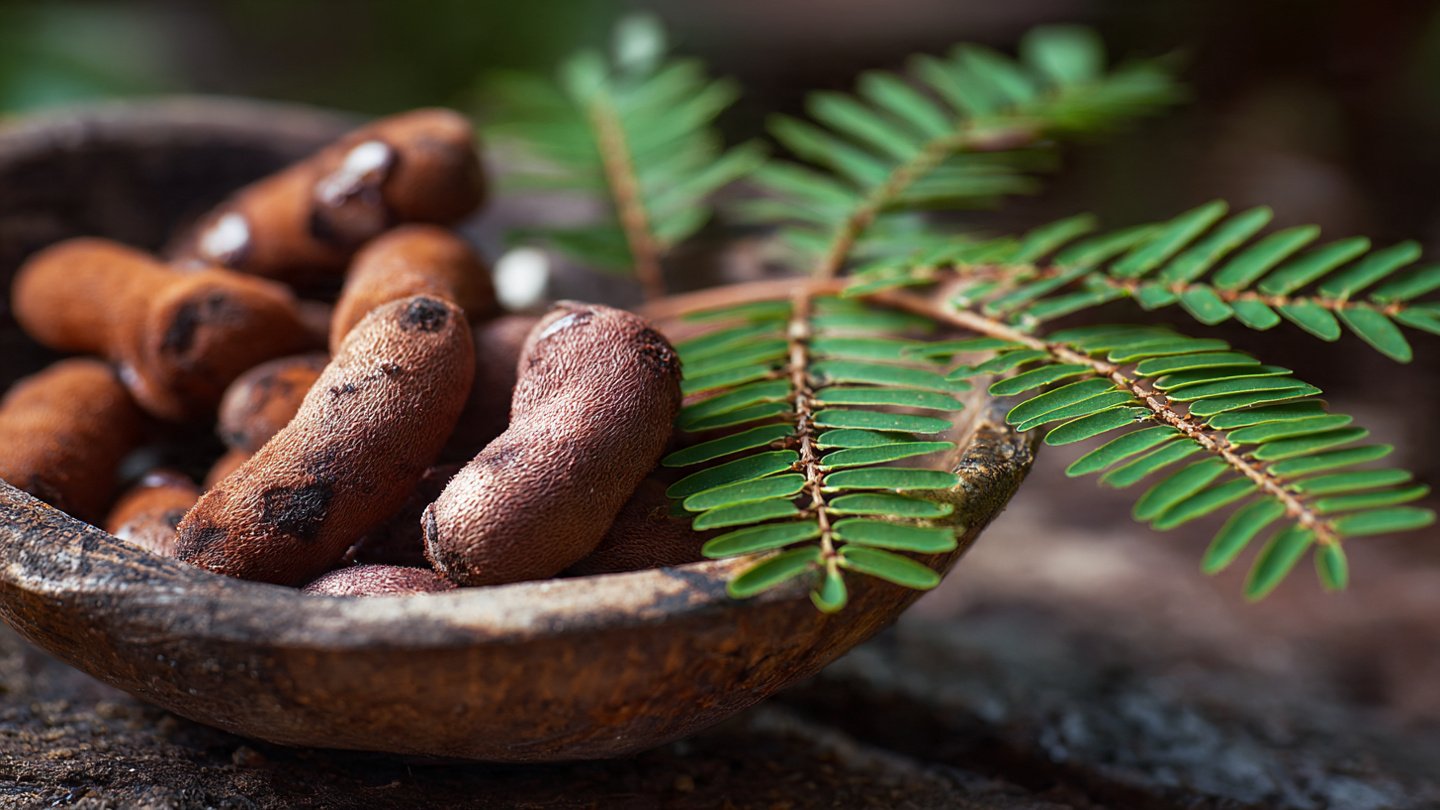
Tamarind (Tamarindus indica) is a leguminous tree native to tropical Africa but widely cultivated in Asia, the Americas, and other tropical regions. The tree produces brown, pod-like fruits that contain a tangy-sweet pulp. Tamarind is highly valued for:
- Culinary uses: Tamarind paste, sauces, candies, jams, and beverages.
- Medicinal uses: It has digestive, antioxidant, and anti-inflammatory properties.
- Industrial uses: Tamarind seeds are used for adhesives, textiles, and other products.
The increasing global demand for tamarind has made it an important crop for tropical agriculture.
Factors That Influence Tamarind Production
Several factors affect tamarind production in different countries:
- Climate: Tamarind trees thrive in tropical and subtropical climates with warm temperatures and moderate rainfall.
- Soil quality: Well-drained, loamy soils with good fertility promote healthy growth and higher yields.
- Cultivation practices: Proper pruning, irrigation, fertilization, and pest management enhance production.
- Tree age: Tamarind trees take several years to mature but produce fruit for decades once established.
Countries with favorable climate, rich soils, and established cultivation practices tend to produce the largest quantities.
Top Tamarind-Producing Countries Globally
Based on production volume and agricultural reports, the largest tamarind producers in the world include India, Thailand, Mexico, Indonesia, and several African countries.
1. India – The Global Leader
India is by far the largest producer of tamarind globally, contributing over 50% of the world’s total production. Major tamarind-growing states include Tamil Nadu, Andhra Pradesh, Telangana, Karnataka, and Maharashtra. The country’s production ranges from 150,000 to 200,000 metric tons annually, depending on climate conditions and cultivation cycles.
Reasons for India’s leading position include:
- Favorable climate: Most tamarind-growing regions have warm temperatures and seasonal rainfall ideal for fruiting.
- Extensive cultivation: Tamarind is grown both in orchards and as a component of mixed farming systems.
- High domestic and export demand: India consumes tamarind extensively in cuisine and exports pulp and processed products worldwide.
2. Thailand
Thailand is another significant producer, especially known for exporting tamarind pulp. Thai tamarind is widely used in Southeast Asian cooking, from pad thai sauces to curries. Annual production ranges around 80,000–100,000 metric tons, making it one of the largest contributors globally.
3. Mexico
Tamarind is native to tropical Africa but was introduced to Mexico centuries ago, where it has become a staple crop in states like Guerrero, Oaxaca, and Veracruz. Mexican tamarind is widely used in candies, beverages, and local dishes. The country produces approximately 60,000–70,000 metric tons annually.
4. Indonesia
Indonesia has ideal tropical conditions for tamarind cultivation. Production mainly occurs in Java, Sumatra, and Sulawesi. While output is lower than India and Thailand, Indonesia plays a significant role in regional markets.
5. Other African Countries
Several African countries, including Sudan, Nigeria, and Kenya, produce tamarind primarily for domestic consumption. While their global share is smaller, tamarind is culturally important and contributes to local diets and markets.
India’s Dominance Explained
India’s position as the top tamarind producer is due to several key factors:
- Long history of cultivation: Tamarind has been grown in India for centuries, with traditional knowledge guiding pruning, harvesting, and processing.
- Large cultivable area: Tens of thousands of hectares across southern and western India are devoted to tamarind cultivation.
- Export infrastructure: India exports tamarind pulp, concentrate, and processed products to Europe, the Middle East, and Southeast Asia.
- Diverse varieties: India grows multiple tamarind varieties suited for different uses, including sweet, semi-sweet, and sour types.
The combination of climate, expertise, and market demand allows India to outpace other producers by a wide margin.
Global Tamarind Production Trends
Global tamarind production has shown steady growth due to increasing demand for natural and traditional ingredients. Key trends include:
- Rising international demand: Tamarind pulp and paste are increasingly exported for use in sauces, beverages, and confectionery.
- Organic cultivation: Some countries are moving toward organic tamarind production, appealing to health-conscious consumers.
- Value-added processing: Tamarind processing into concentrated paste, candies, and beverages adds economic value and improves market reach.
- Sustainable practices: Many producers are adopting water-efficient irrigation and compost-based fertilization to maintain soil health and reduce costs.
Challenges in Tamarind Production
Despite its success, tamarind cultivation faces several challenges:
- Long maturation period: Trees take 5–8 years to start producing fruit, requiring patience and investment.
- Climate vulnerability: Unpredictable rainfall, prolonged drought, or extreme heat can affect flowering and fruiting.
- Pest and disease pressure: Tamarind trees can be affected by fruit borers, leaf spot, and fungal infections.
- Processing limitations: Post-harvest processing requires careful handling to maintain pulp quality and shelf life.
Addressing these challenges is essential for maintaining high yields and consistent quality, especially for export-oriented production.
The Future of Global Tamarind Production
India is likely to maintain its lead for the foreseeable future, but other countries are catching up with improved cultivation methods and processing technologies. Thailand and Mexico continue to expand exports, while African nations explore commercial cultivation for both local consumption and international markets.
Innovation in grafting, irrigation, pest control, and organic fertilization will play a key role in increasing output sustainably. Moreover, value-added products like tamarind concentrate, beverages, and natural flavorings will boost global demand further.
Final Thoughts
Tamarind is more than just a tangy fruit—it is a key component of tropical agriculture and a driver of local economies. Globally, India stands as the largest tamarind producer, thanks to its favorable climate, extensive cultivation, and strong domestic and international demand. Thailand, Mexico, Indonesia, and select African countries also contribute significantly, each adding to the rich diversity of tamarind varieties and products available worldwide.
Understanding global tamarind production highlights the crop’s economic, cultural, and culinary importance. For gardeners, farmers, and entrepreneurs, tamarind represents both a delicious fruit and a sustainable agricultural opportunity. Whether consumed fresh, processed, or exported, this tropical giant continues to play a vital role on the global stage.