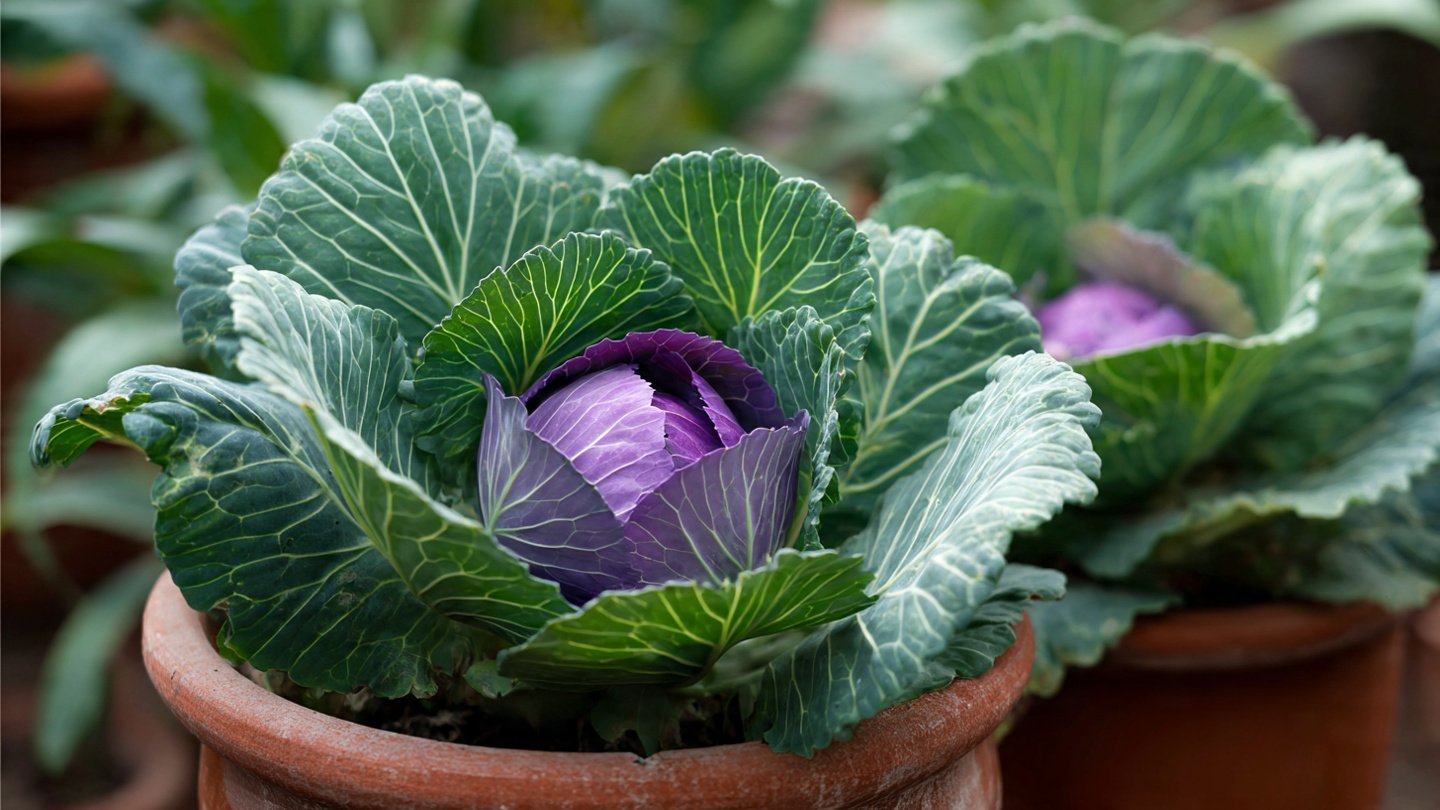
Cabbage is a versatile, nutritious, and hardy vegetable that is a staple in many kitchens worldwide. From crunchy slaws to hearty stews, cabbage adds flavor and texture to countless dishes. Traditionally grown in garden beds, cabbage can also thrive in containers, making it perfect for balcony gardens, patios, or any small space. Growing cabbage in pots not only saves space but also gives gardeners better control over soil, water, and nutrients.
This guide provides a complete step-by-step approach to growing cabbage in pots, from choosing the right container to harvesting lush, healthy heads, ensuring that both beginners and experienced gardeners can succeed.
Why Grow Cabbage in Pots?
Container gardening offers several benefits, especially for vegetables like cabbage:
- Space efficiency – Perfect for urban gardens or limited outdoor spaces.
- Pest control – Containers make it easier to monitor for pests and diseases.
- Soil management – You can provide nutrient-rich, well-draining soil tailored for cabbage.
- Portability – Move pots to capture optimal sunlight or protect plants from harsh weather.
- Extended growing season – Containers can be relocated indoors or to sheltered areas during cold snaps.
With the right approach, potted cabbage can be just as productive—and sometimes even more so—than garden-bed plants.
Materials Needed
To grow cabbage successfully in containers, gather the following materials:
- High-quality cabbage seeds or seedlings (choose a variety suited to your climate)
- Pots or containers with drainage holes (minimum 12 inches deep and wide)
- Potting mix enriched with compost or well-rotted manure
- Fertilizer (balanced NPK or organic options)
- Watering can or hose
- Optional: stakes for support
- Mulch (optional, to retain soil moisture and reduce weeds)
Having all materials prepared ensures a smooth planting and growing process.
Step 1: Choosing the Right Container
Selecting the right pot is critical for cabbage growth:
- Size matters – Cabbage develops a large root system, so choose a container at least 12 inches deep and 12–14 inches wide.
- Drainage – Ensure the pot has sufficient holes at the bottom to prevent waterlogging, which can cause root rot.
- Material – Clay, ceramic, or plastic pots are all suitable. Clay pots drain faster, requiring more frequent watering, while plastic retains moisture longer.
Proper container selection sets the stage for healthy growth and robust cabbage heads.
Step 2: Preparing the Soil
Cabbage thrives in fertile, well-draining soil. Here’s how to prepare the perfect potting mix:
- Use a high-quality potting soil as the base. Avoid compacted garden soil.
- Enrich with compost or well-rotted manure to provide essential nutrients.
- Optional: Mix in perlite or sand to improve drainage, especially for heavier soils.
- Ensure the soil pH is slightly acidic to neutral, around 6.0–7.0.
Nutrient-rich, well-draining soil is key to encouraging fast growth and large, firm cabbage heads.
Step 3: Planting Cabbage Seeds or Seedlings
Planting Seeds:
- Fill the container with soil, leaving 1–2 inches from the rim.
- Sow seeds about 1/4 inch deep, spacing them 2–3 inches apart.
- Lightly cover with soil and water gently.
- Keep soil consistently moist until seedlings emerge (usually 7–10 days).
Planting Seedlings:
- Dig a small hole in the soil for each seedling.
- Place the seedling gently, ensuring the roots are well-covered and the plant is upright.
- Water immediately to help the seedling settle.
- Pro tip: Thin seedlings if overcrowded to ensure each cabbage has space to grow. Ideal spacing in containers is 12 inches between plants.
Step 4: Positioning for Sunlight
Cabbage needs full sun for at least 6 hours a day to grow strong and healthy:
- Balcony or patio gardens: Place pots in the sunniest area available.
- Indoor gardening: Use a south-facing window or supplement with grow lights if natural sunlight is insufficient.
- Rotate containers every few days to ensure even growth.
Proper sunlight ensures plants develop thick, healthy leaves and form solid heads.
Step 5: Watering and Moisture Management
Water is critical for cabbage growth, but balance is key:
- Keep soil consistently moist but not waterlogged.
- Water at the base of the plant to avoid wetting the leaves, which can reduce disease risk.
- Containers dry out faster than garden beds, so monitor soil regularly, especially in hot weather.
- Optional: Apply mulch around the base to retain moisture, regulate soil temperature, and reduce weeds.
Consistent moisture supports rapid growth and prevents cabbage from becoming tough or bitter.
Step 6: Fertilization for Optimal Growth
Cabbage is a heavy feeder, meaning it requires plenty of nutrients for strong growth:
- Apply a balanced fertilizer (NPK 10:10:10) every 2–3 weeks during the vegetative stage.
- Once heads start forming, switch to a fertilizer higher in phosphorus and potassium to encourage firm head development.
- Organic options such as compost tea, fish emulsion, or well-rotted manure are also excellent choices.
Proper fertilization ensures strong stems, lush foliage, and larger, heavier heads.
Step 7: Supporting Cabbage Plants
While cabbage is relatively sturdy, container plants may require occasional support:
- Use stakes or small trellises for taller varieties.
- Avoid crowding containers, which can cause leaves to bend and heads to deform.
- Support ensures proper airflow and prevents disease.
Healthy, upright plants develop stronger heads and produce higher yields.
Step 8: Pest and Disease Management
Cabbage is susceptible to pests such as aphids, cabbage worms, and flea beetles, as well as fungal diseases. Preventive care is key:
- Inspect plants regularly for pests and remove them manually or with organic sprays like neem oil.
- Ensure good air circulation to reduce fungal infections.
- Remove yellow or damaged leaves promptly to prevent spread.
- Consider using row covers if growing outdoors to protect from insects.
Proactive pest management improves plant health and ensures maximum harvest.
Step 9: Harvesting Cabbage
Cabbage is typically ready to harvest 70–100 days after planting, depending on the variety:
- Check the firmness of the head—when it feels dense and solid, it’s ready.
- Cut the cabbage at the base using a sharp knife.
- Harvest early in the morning when the plant is well-hydrated for the best flavor.
- Container-grown cabbage may produce secondary heads from remaining side shoots, giving you a second harvest.
Timely harvesting ensures the best taste and encourages continuous production.
Tips for Thriving Cabbage in Pots
- Choose the right variety – Smaller or compact varieties like ‘Golden Acre’ or ‘Miniature Express’ are ideal for containers.
- Rotate crops – If growing in the same soil year after year, rotate with other vegetables to prevent soil depletion and disease.
- Keep an eye on temperature – Cabbage prefers cooler weather; in hot climates, provide partial shade during peak sun hours.
- Regularly prune outer leaves – This encourages airflow and energy for head development.
- Use companion planting – Herbs like dill or rosemary nearby can deter pests naturally.
By following these tips, gardeners can enjoy healthy, high-yield cabbage plants in pots year after year.
Advantages of Container Cabbage Gardening
Growing cabbage in pots offers numerous benefits:
- Flexibility – Move plants to protect from frost or extreme heat.
- Accessibility – Easier to manage for gardeners with limited mobility.
- Pest and disease control – Isolated pots reduce exposure to common garden pests.
- Aesthetics – Beautiful container arrangements brighten patios, balconies, and outdoor spaces.
Container cabbage gardening combines practicality with productivity, making it a smart choice for modern gardeners.
Conclusion
Growing cabbage in pots is not only possible but highly rewarding. By following this complete guide—selecting the right container, preparing nutrient-rich soil, planting seeds or seedlings, providing sunlight and water, fertilizing appropriately, and managing pests—you can achieve healthy, productive cabbage plants in limited spaces.
Whether you are an urban gardener with a balcony, a backyard enthusiast, or a beginner eager to grow your own vegetables, container cabbage gardening offers a practical solution for fresh, homegrown produce. With proper care, attention, and the techniques outlined here, your potted cabbage will flourish, producing crisp, flavorful heads that elevate your meals and satisfy your gardening ambitions.
Start your container cabbage garden today and enjoy the freshness, flavor, and satisfaction of harvesting your own homegrown cabbage, no matter how small your space!