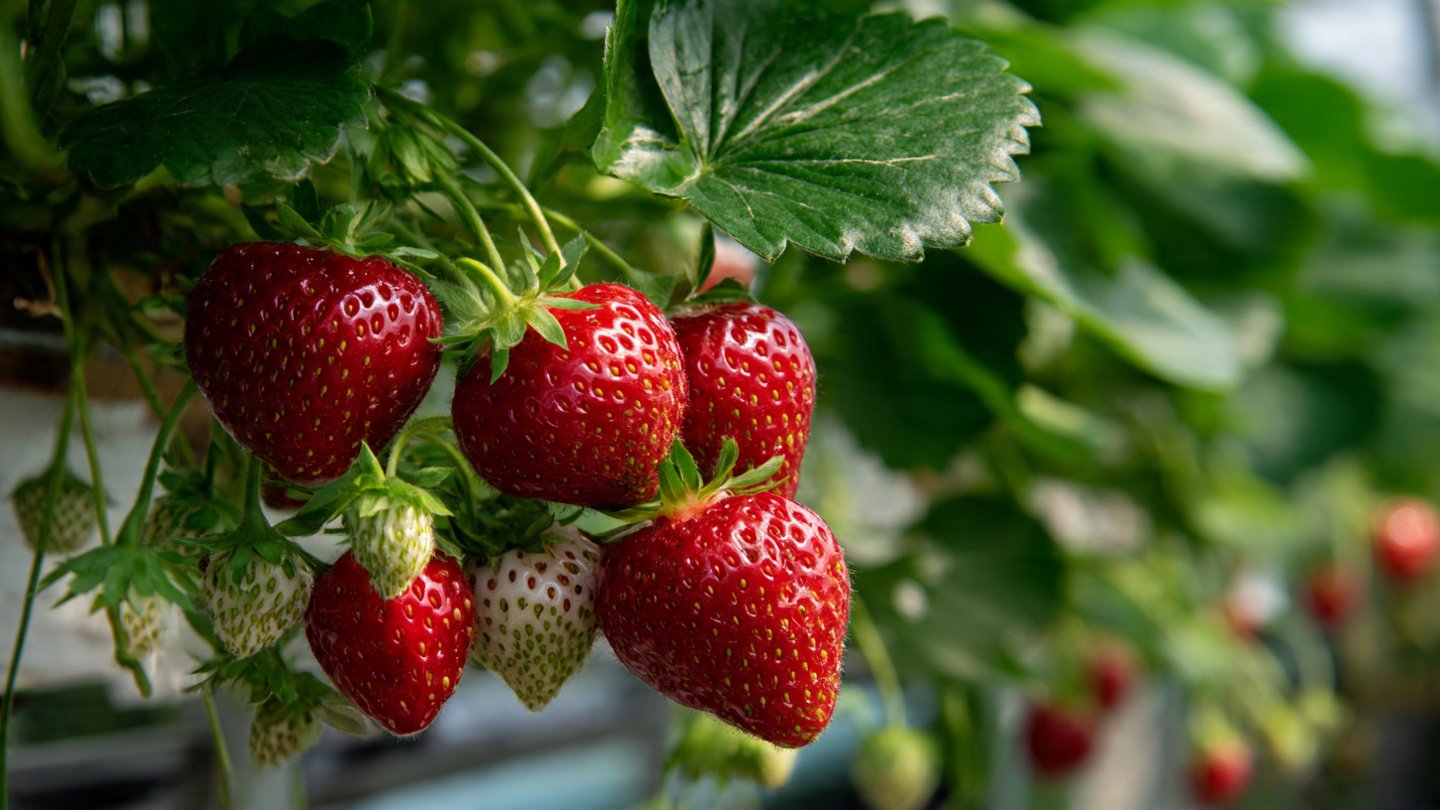
Strawberries are one of the most rewarding fruits to grow at home. Their sweet aroma, juicy flavor, and versatility in cooking make them a favorite for gardeners and food lovers alike. However, not everyone has access to a large garden, and traditional strawberry beds require space that many urban gardeners simply don’t have. The solution? A high-yield hanging strawberry garden—a clever, practical way to grow strawberries in small spaces such as balconies, patios, or even kitchen windows.
This guide will take you step by step through designing, planting, and maintaining a hanging strawberry garden that produces abundant fruit all season long.
Why Choose a Hanging Strawberry Garden?
Hanging strawberry gardens are not just a space-saving solution—they also offer multiple benefits:
- Maximizes limited space: Utilize vertical areas like railings, hooks, or wall-mounted planters.
- Reduces pests and diseases: Elevating the plants keeps them away from ground-dwelling insects and fungal infections.
- Improves air circulation: Hanging setups allow better airflow, reducing mold and mildew risks.
- Easy harvesting: Fruit is at eye level, making picking simpler and more comfortable.
- Aesthetic appeal: A cascading wall of strawberries adds beauty to any balcony or garden space.
With the right setup, a small area can yield surprisingly large harvests, making it perfect for urban living.
Choosing the Right Strawberry Variety
Selecting the appropriate variety is crucial for success in a hanging garden. Strawberries are typically classified into three types:
- June-bearing: Produce one large crop in late spring or early summer. Ideal if you want a concentrated harvest.
- Ever-bearing: Produce two to three harvests per season. Perfect for staggered picking.
- Day-neutral: Produce continuously throughout the growing season, offering a constant supply of strawberries.
For hanging gardens, day-neutral or ever-bearing varieties are recommended. Varieties like Albion, Seascape, or Tribute thrive in containers and produce consistent yields.
Materials Needed for a Hanging Strawberry Garden
You can build a hanging strawberry garden with minimal cost using readily available materials. Here’s what you’ll need:
- Hanging planters, baskets, or vertical wall pockets
- High-quality potting mix (lightweight and well-draining)
- Strawberry seedlings or runners
- Watering can or drip irrigation system
- Mulch (optional, to retain moisture)
- Fertilizer (preferably organic or slow-release)
Choosing lightweight containers is important to ensure your balcony or wall can support the weight once the plants mature and start fruiting.
Step 1: Preparing the Hanging Containers
- Clean and inspect: Ensure the containers are free of debris and have proper drainage holes.
- Add soil: Fill with lightweight, nutrient-rich potting mix. A mix of compost, coco coir, and perlite works well.
- Consider spacing: Plant strawberries 6–8 inches apart to allow leaves to spread and fruit to grow freely.
Hanging baskets should be deep enough (at least 6–8 inches) to support healthy root growth. Vertical pockets or towers can also be used for larger displays.
Step 2: Planting the Strawberries
- Gently remove the seedlings from their nursery pots.
- Spread roots carefully and plant them in the potting mix, ensuring the crown (where the leaves meet the roots) is just above the soil surface.
- Water thoroughly after planting to settle the soil and reduce transplant shock.
If planting runners, ensure the baby plants are placed securely into the soil while keeping the parent plant intact until roots develop.
Step 3: Positioning Your Hanging Garden
Strawberries need plenty of sunlight to produce sweet, abundant fruit. Ideally:
- Provide 6–8 hours of direct sunlight daily.
- Choose a spot that is sheltered from strong winds, which can damage delicate leaves and flowers.
- Ensure containers are easy to access for watering and harvesting.
If natural sunlight is limited, consider supplementing with LED grow lights, which can keep strawberries productive indoors.
Step 4: Watering and Moisture Management
Consistent moisture is critical in hanging gardens because containers dry out faster than ground beds.
- Frequency: Water daily during hot summer months, less often during cooler periods.
- Method: Water at the base to prevent wetting foliage, which can lead to fungal problems.
- Drainage: Always ensure excess water can escape to avoid root rot.
Mulching with straw or coconut coir can help retain moisture, keep roots cool, and prevent soil from drying out too quickly.
Step 5: Fertilizing for Maximum Yield
Strawberries are heavy feeders, and hanging gardens often have limited soil volume. Nutrient management is key:
- Use organic fertilizers or slow-release fertilizers designed for fruiting plants.
- Feed every 3–4 weeks during the growing season for ever-bearing varieties.
- Avoid over-fertilization, which encourages leafy growth at the expense of flowers and fruit.
Regular feeding ensures strong root systems, healthy foliage, and abundant, flavorful fruit.
Step 6: Pruning and Maintenance
Maintaining a healthy strawberry garden increases both yield and fruit quality:
- Remove dead leaves: Prevents disease and encourages airflow.
- Pinch off runners selectively: Runners can be propagated but may divert energy from fruiting plants if left unchecked.
- Monitor for pests: Aphids, slugs, and spider mites are common. Use natural deterrents like neem oil or hand-picking when necessary.
Routine maintenance keeps plants vigorous and productive throughout the season.
Step 7: Harvesting Strawberries
- Harvest strawberries when they are fully red and slightly soft.
- Pick regularly to encourage continued fruit production.
- Handle gently to avoid bruising the delicate fruit.
In hanging gardens, fruit is easy to access and less prone to rot since it doesn’t touch the soil. Regular harvesting also reduces pest attraction and promotes new flower development.
Advantages of a Hanging Strawberry Garden
- Space-saving: Ideal for balconies, small patios, or urban gardens.
- High yield: Plants receive optimal sunlight and airflow, increasing productivity.
- Pest reduction: Elevation reduces exposure to ground pests and soil diseases.
- Aesthetic appeal: Cascading plants create a visually stunning display.
- Easy management: Watering, pruning, and harvesting are simplified.
With proper care, a small hanging garden can produce enough strawberries to supply fresh fruit for smoothies, desserts, and cooking throughout the season.
Propagation for Continuous Growth
One of the best features of strawberries is how easy they are to propagate:
- Use runners to create new plants.
- Plant new runners in separate hanging containers or garden beds.
- This method ensures you have a continuous supply of strawberry plants and fruit year after year.
Hanging gardens can be expanded vertically or horizontally, making this a scalable solution for limited spaces.
Final Thoughts
A high-yield hanging strawberry garden is a practical and rewarding solution for gardeners with limited space. By selecting the right varieties, using proper containers, and following consistent care routines, you can enjoy fresh, sweet strawberries all year long.
This method combines smart space usage, efficient watering, and proper feeding techniques to transform even the smallest balcony or patio into a productive fruit haven. With a little effort and patience, your hanging strawberry garden can become a lush, thriving centerpiece of your home, providing beauty, flavor, and joy for seasons to come.