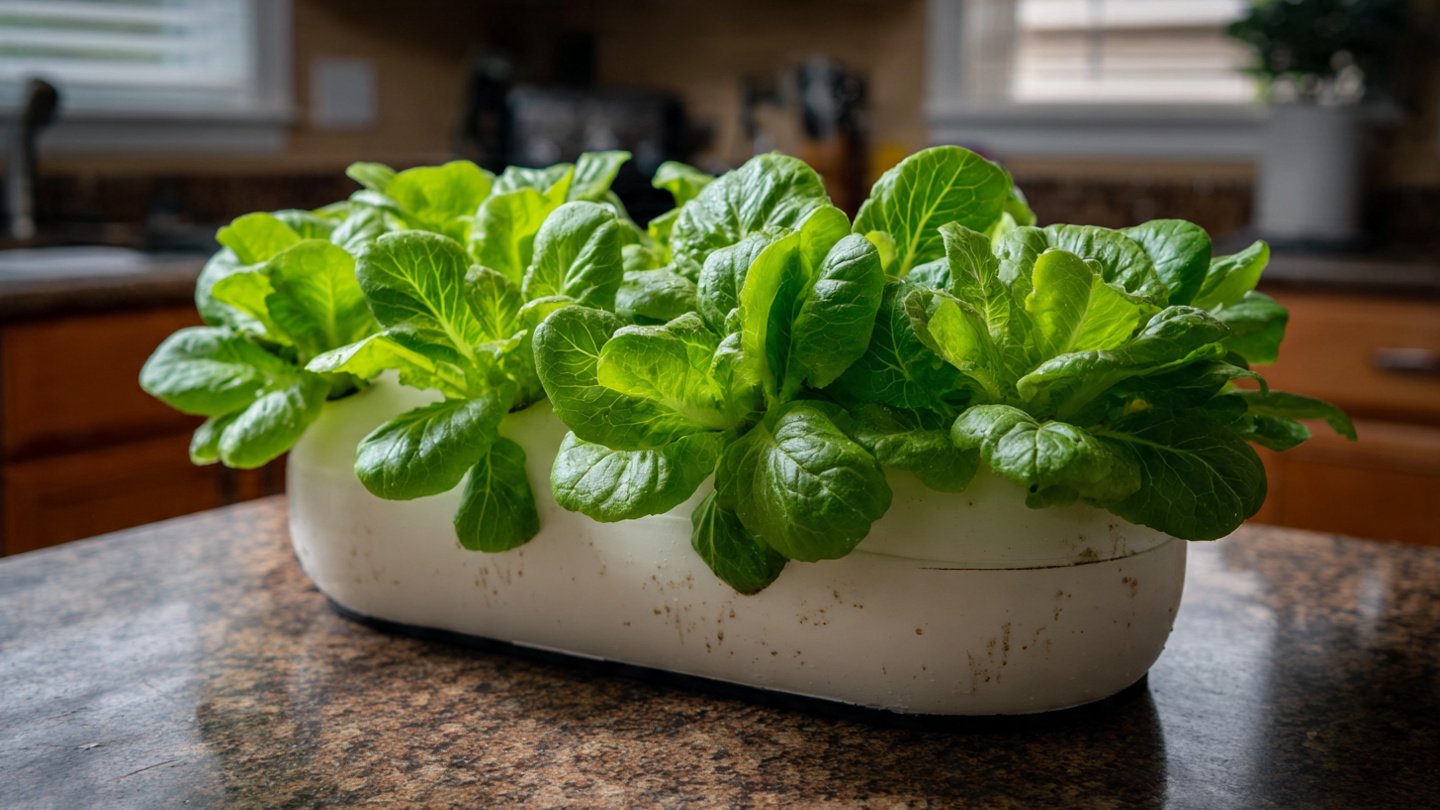
Hydroponics is revolutionizing home gardening, making it possible to grow fresh, nutrient-rich vegetables year-round—even if you don’t have a garden. One of the easiest and most rewarding plants to grow hydroponically is lettuce. With minimal space, water, and equipment, you can enjoy crisp, homegrown lettuce straight from your tub.
In this guide, I’ll share my simple hydroponic tub method for growing lettuce at home, step by step. Whether you’re a beginner or an experienced gardener looking to try hydroponics, this method will help you achieve a high yield of healthy, flavorful greens.
Why Hydroponic Lettuce?
Growing lettuce hydroponically has several advantages over traditional soil gardening:
- Faster growth: Lettuce grows more quickly because its roots have direct access to nutrients and water.
- Consistent quality: Hydroponic systems produce tender, crisp leaves every time.
- Space-efficient: Even a small balcony, kitchen counter, or windowsill can support a hydroponic tub.
- Fewer pests and diseases: Soil-borne pests and weeds are eliminated, reducing maintenance.
- Water-saving: Hydroponics uses up to 90% less water than traditional soil gardening.
By mastering a simple tub system, you can enjoy fresh, chemical-free lettuce without the hassles of soil gardening.
Materials You’ll Need
Setting up a hydroponic tub system is surprisingly simple. Here’s what you’ll need:
- A plastic tub or container (12–20 inches deep works well)
- Net pots or small containers with holes for drainage
- Hydroponic nutrient solution specifically designed for leafy greens
- pH testing kit and pH adjusters (optional but recommended)
- Growing medium such as rockwool cubes, coconut coir, or perlite
- Small air pump with tubing (to oxygenate the water)
- Lettuce seeds or seedlings
- A tray or platform to hold the net pots above water
All of these items are inexpensive and easily available online or at local gardening stores.
Step 1: Preparing Your Hydroponic Tub
Start by cleaning your tub thoroughly to prevent algae or bacterial growth. Fill the tub with water, leaving a few inches of space at the top. Mix in the recommended amount of hydroponic nutrient solution. Most leafy green solutions will provide the right balance of nitrogen, phosphorus, potassium, and trace minerals.
If possible, use an air pump to oxygenate the water. Oxygen-rich water encourages strong root growth and prevents root rot. Maintaining water temperature between 65–75°F (18–24°C) is ideal for lettuce growth.
Step 2: Choosing and Starting Lettuce Seeds
Select lettuce varieties suited for hydroponics. Loose-leaf and butterhead varieties grow especially well in small hydroponic setups. Some popular options include ‘Buttercrunch,’ ‘Romaine,’ and ‘Red Leaf.’
Plant seeds in your chosen growing medium, such as rockwool cubes or coconut coir. Keep them moist under indirect light until they germinate, which usually takes 5–10 days. Once seedlings develop a few leaves, they are ready to transfer to the hydroponic tub.
Step 3: Transferring Seedlings to Net Pots
Place the seedlings gently into net pots filled with the growing medium. Make sure roots are in contact with the water below. If the water level is too high, leaves may get wet and rot; if it’s too low, roots may dry out.
Spacing is important. For small varieties, place net pots 3–4 inches apart. For larger varieties, 6 inches apart ensures each plant has enough room to grow. Adequate spacing also improves airflow, reducing the risk of disease.
Step 4: Maintaining Nutrient Solution
Hydroponic lettuce relies entirely on the water-based nutrient solution. Check nutrient levels and water depth every 2–3 days. Replace or top up the solution as needed.
- Monitor pH levels regularly. Lettuce thrives in slightly acidic water (pH 5.5–6.5).
- Stir or circulate the water to prevent stagnation.
- Add more nutrient solution as plants grow larger to meet increasing demand.
A consistent nutrient supply ensures steady, healthy growth and prevents leaf yellowing or stunted development.
Step 5: Providing Light
Lettuce requires 12–16 hours of light daily for optimal growth. If you have access to a sunny window, place your hydroponic tub there. Otherwise, use a small LED grow light positioned 12–18 inches above the plants.
Rotate plants if necessary to ensure all leaves receive adequate light. Proper light exposure helps maintain a crisp texture and rich green color.
Step 6: Monitoring Temperature and Humidity
Lettuce grows best in cool, stable temperatures. Keep the environment between 60–75°F (15–24°C) for consistent growth. Avoid exposing plants to direct heat sources or drafts, as extreme temperatures can cause bolting (premature flowering) or bitterness.
Maintain moderate humidity. If your indoor air is dry, mist the leaves occasionally, but avoid overwatering.
Step 7: Pruning and Harvesting
Hydroponic lettuce grows quickly and can be harvested multiple times. For loose-leaf varieties, you can use the “cut-and-come-again” method:
- Use scissors to cut outer leaves about 1–2 inches above the base.
- Leave the center leaves intact so the plant continues growing.
- Harvest every 1–2 weeks for a continuous supply.
For head-forming varieties like butterhead or romaine, wait until the head is firm and fully formed. Harvest by cutting at the base just above the water level.
Tips for Maximum Yield
- Rotate crops: Sow new seeds every 2–3 weeks to maintain a constant supply.
- Prevent algae: Cover the tub surface with a reflective sheet or black plastic to block light from reaching the water.
- Keep it clean: Regularly clean tubs, net pots, and pumps to prevent disease.
- Check roots: Healthy roots should be white and firm. Brown or slimy roots indicate problems with nutrients, oxygen, or water quality.
- Experiment with varieties: Mix leaf colors and textures for a more interesting salad mix.
Troubleshooting Common Issues
- Yellow leaves: May indicate nutrient deficiency or incorrect pH. Adjust solution accordingly.
- Slow growth: Could be caused by low light, low temperature, or overcrowding.
- Bolting: Excess heat or stress can cause premature flowering. Maintain cool temperatures.
- Algae growth: Reduce light exposure to water, and keep surfaces clean.
Regular observation and prompt adjustments are key to keeping your hydroponic lettuce healthy.
Benefits of Hydroponic Tub Gardening
Using a simple hydroponic tub for lettuce has numerous benefits:
- Easy setup and low cost
- Rapid growth and high yields
- Reduced risk of pests and soil-borne diseases
- Year-round harvesting potential
- Water-efficient and space-saving
This method is perfect for beginners or anyone looking to grow fresh greens indoors or on a balcony.
Final Thoughts
Growing crisp, healthy lettuce at home doesn’t require expensive systems or complicated techniques. A simple hydroponic tub, proper nutrients, and a little care can provide a steady supply of fresh, flavorful greens. By following this method, even beginners can enjoy the satisfaction of harvesting homegrown lettuce straight from their hydroponic setup.
Hydroponics opens the door to modern, space-efficient gardening, proving that anyone can enjoy fresh produce, no matter the size of their home or garden space.