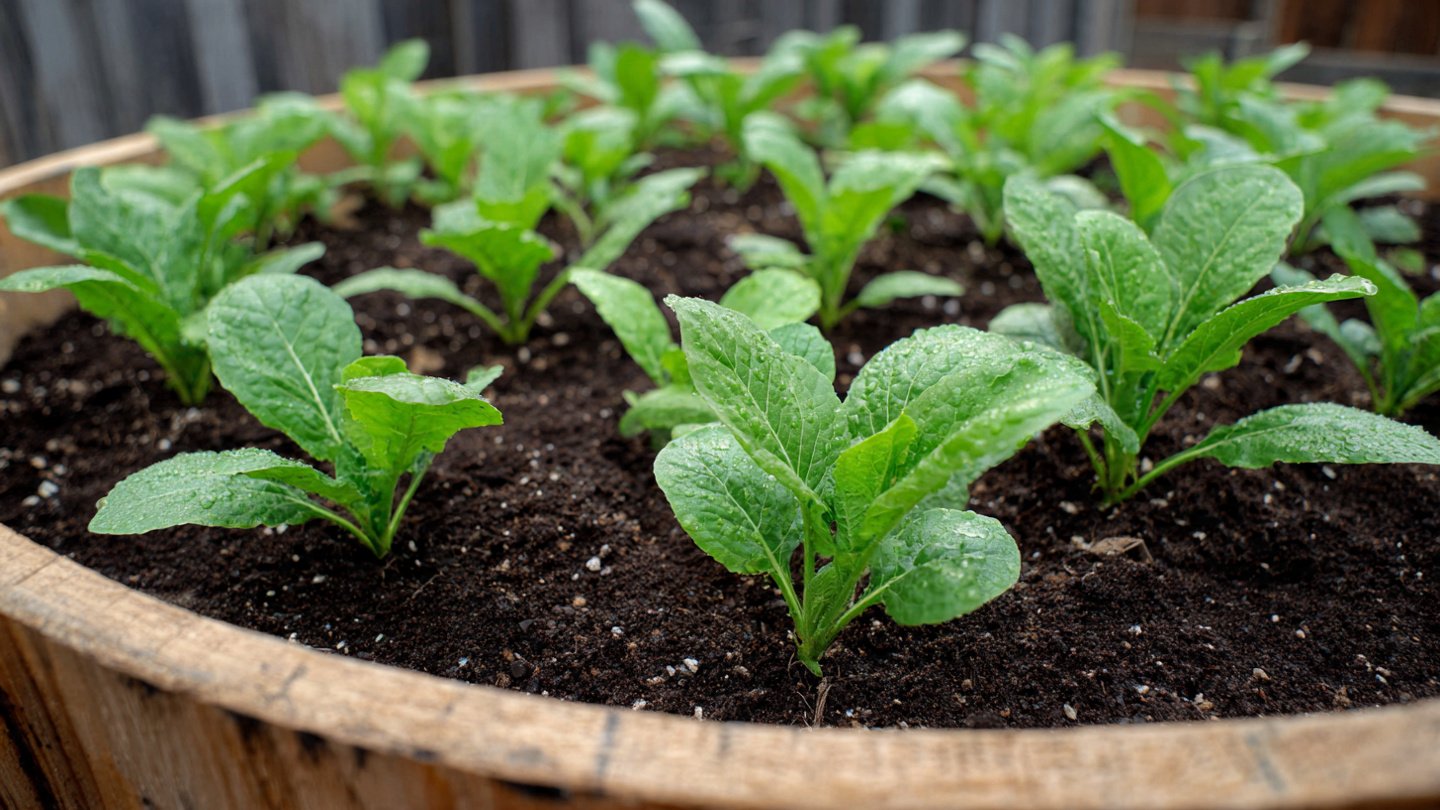
Container gardening is one of the easiest ways to enjoy fresh vegetables, herbs, and fruits at home—even if you don’t have a backyard. Among the various methods, the simple tub method has become a favorite for gardeners who want big results with minimal effort. Using ordinary plastic tubs or containers, you can grow a wide range of plants while controlling soil, water, and nutrients. This beginner-friendly guide will walk you through the simple tub method and show you how to achieve incredible yields in your own home garden.
Why Choose the Tub Method for Container Gardening?
The tub method is popular because it is:
- Beginner-Friendly: No complicated systems or expensive equipment required.
- Space-Efficient: Perfect for balconies, terraces, patios, or small yards.
- Flexible: Works for vegetables, herbs, flowers, and even small fruit plants.
- High-Yield: With proper care, plants in tubs often produce more than in-ground counterparts.
- Easier to Manage: You can control soil quality, water, and nutrients, reducing pests and weeds.
Whether you’re new to gardening or just want a low-maintenance system, the tub method is an excellent choice.
Step 1: Choose the Right Tub
The first step is selecting a suitable tub for your plants:
- Size: At least 12–15 inches deep for most vegetables; larger for fruiting plants.
- Material: Plastic tubs, wooden boxes, or recycled containers. Avoid thin plastics that crack in the sun.
- Drainage: Drill 4–6 holes at the bottom to prevent waterlogging. Good drainage is essential for healthy roots.
Pro tip: If using recycled containers, make sure they are thoroughly cleaned to remove any chemical residues.
Step 2: Prepare a Healthy Soil Mix
Plants in tubs need rich, well-draining soil. A good soil mix promotes strong roots, reduces disease, and increases yield. A recommended tub soil mix:
- 40% garden soil or topsoil
- 30% compost or well-rotted manure
- 20% cocopeat or peat moss for moisture retention
- 10% perlite or coarse sand for drainage
Mix these ingredients thoroughly before filling your tub. This ensures a light, fluffy medium that retains nutrients and moisture while preventing root rot.
Step 3: Choose Plants for the Tub Method
Almost any plant can be grown in tubs, but some are better suited for beginners:
- Vegetables: Tomatoes, cucumbers, peppers, lettuce, spinach, and radishes
- Herbs: Basil, mint, coriander, parsley
- Fruits: Strawberries, dwarf lemon trees, chili plants
For beginners aiming for incredible yields, start with fast-growing, compact, or dwarf varieties. They adapt well to container life and produce fruit or leaves quickly.
Step 4: Planting in Your Tub
Follow these steps to plant successfully:
- Fill the tub with the prepared soil mix, leaving 2–3 inches at the top.
- Sow seeds at the recommended depth, or transplant seedlings carefully.
- Water gently but thoroughly to settle the soil.
- Ensure plants are spaced correctly to avoid overcrowding.
Tip: If planting multiple types of vegetables, consider companion planting to maximize yield and deter pests naturally.
Step 5: Provide Support for Taller Plants
Many high-yield plants need vertical support. Tomatoes, cucumbers, and climbing beans benefit from:
- Bamboo sticks or stakes
- Small trellises
- String supports attached to nearby walls
Supporting plants keeps fruits off the soil, improves airflow, and reduces disease risk, leading to healthier growth and higher yields.
Step 6: Watering for Maximum Growth
Proper watering is critical for container gardening success:
- Water when the top 2–3 cm of soil feels dry.
- Water deeply to encourage roots to grow downward.
- Reduce watering during rainy periods to prevent root rot.
Mulching the surface with straw or dried leaves helps retain moisture, keeps the soil cool, and suppresses weeds.
Step 7: Fertilizing Your Tub Plants
Plants in tubs rely entirely on the soil mix for nutrients. Regular feeding ensures they grow strong and produce abundant yields:
- Organic Options: Compost, vermicompost, or liquid manure every 2–3 weeks
- Chemical Fertilizers: Balanced NPK fertilizers, applied according to package instructions
Tip: During flowering and fruiting stages, provide a higher potassium fertilizer to boost flowering, fruit set, and overall yield.
Step 8: Managing Pests and Diseases
Container plants are easier to manage than in-ground gardens, but pests can still appear:
- Aphids, spider mites, and whiteflies can be controlled with neem oil or mild soap sprays.
- Powdery mildew can be prevented by ensuring proper airflow and avoiding wetting leaves excessively.
- Regularly inspect leaves and stems for signs of disease.
Early intervention keeps your plants healthy and productive.
Step 9: Pollination Tips for Better Yields
Some plants, like cucumbers and tomatoes, need pollination to produce fruits. In tubs:
- Outdoor plants will often be pollinated naturally by bees.
- Indoor or balcony gardens may require hand pollination using a small brush or cotton swab.
Proper pollination ensures fruits develop fully and improves overall yield.
Step 10: Harvesting Your Crops
The simple tub method allows for frequent harvesting, which encourages continued production:
- Harvest vegetables and herbs when they are tender and fresh.
- Pick fruits like tomatoes and peppers at peak ripeness for flavor and maximum yield.
- Regular harvesting reduces plant stress and promotes more flowering and fruiting cycles.
Frequent picking is key to maximizing your container garden’s productivity.
Additional Tips for Incredible Yields
- Rotate Tubs: Move containers periodically to ensure even sunlight exposure.
- Prune Plants: Remove weak or overcrowded branches to focus energy on strong growth.
- Use Companion Planting: Pair vegetables and herbs that help each other grow.
- Monitor Soil Health: Refresh the soil mix yearly or add compost to maintain fertility.
- Keep Track of Growth: Note watering, feeding, and harvesting schedules for consistent yields.
Advantages of the Simple Tub Method
- Affordable: Use everyday buckets or tubs without expensive infrastructure.
- Portable: Protect plants from extreme weather by moving them indoors or into shade.
- Efficient: Optimized soil, water, and fertilizer management ensures faster growth.
- High-Yield: Concentrated care in containers often produces more per square foot than in-ground planting.
Final Thoughts
The simple tub method is a beginner-friendly, effective way to grow a wide range of plants while achieving incredible yields. By selecting the right containers, preparing nutrient-rich soil, providing support, watering correctly, fertilizing, and managing pests, you can turn any small space into a productive garden.
Whether you are growing vegetables, herbs, or small fruits, tubs offer flexibility, efficiency, and convenience. With consistent care, your container garden can thrive and produce fresh, flavorful crops all season long.
With the simple tub method, even beginners can experience the satisfaction of homegrown vegetables and herbs while maximizing yield in a compact space.