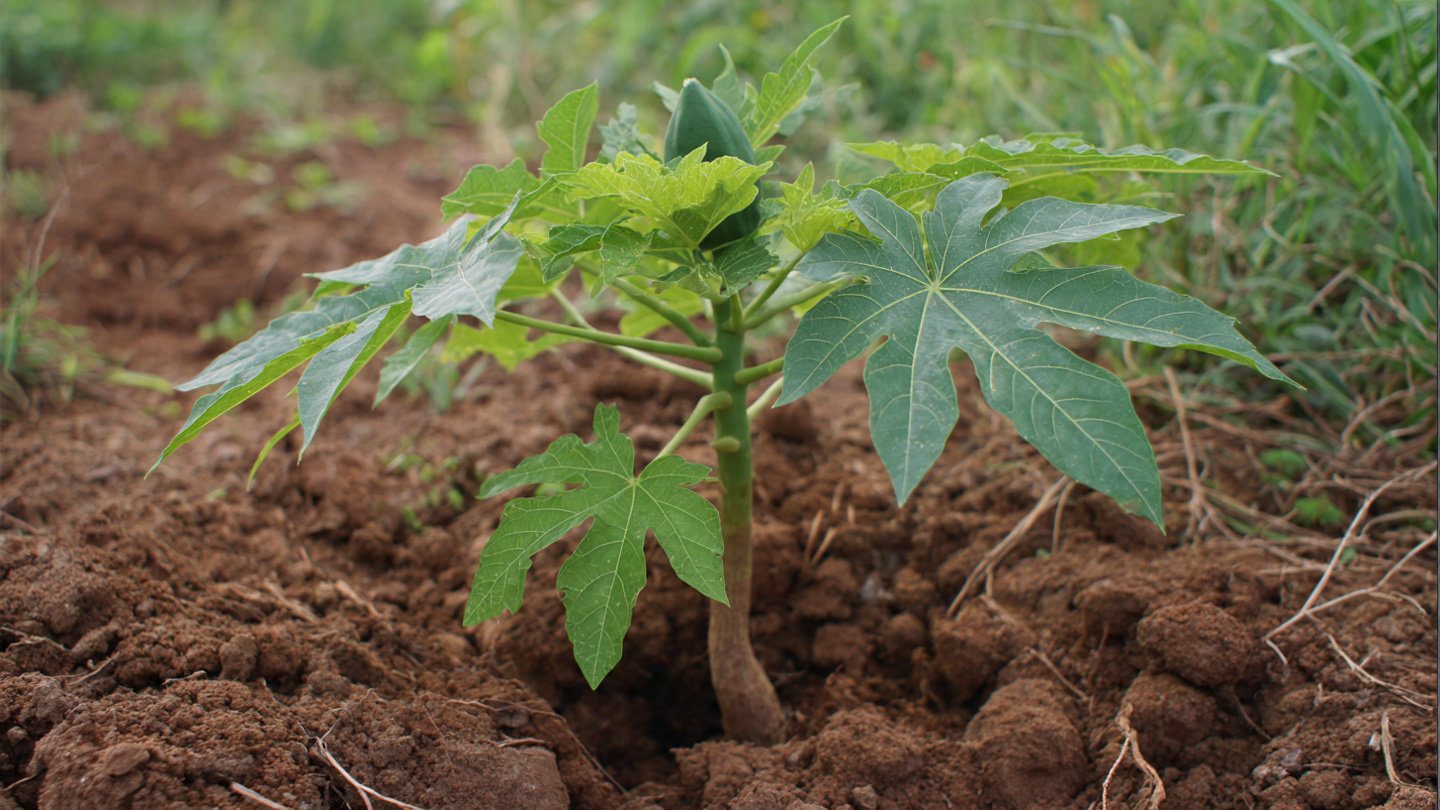
Papaya is one of the fastest-growing and most rewarding tropical fruit plants, prized for its sweet, nutrient-rich fruits. However, successful cultivation depends heavily on proper transplanting. Moving papaya seedlings from nursery beds to fields, pots, or other growing sites is a delicate process. Done correctly, it ensures strong growth, early fruiting, and high yields. Done poorly, it can lead to stunted growth, disease, or even plant death.
This guide provides a comprehensive, step-by-step approach to transplanting papaya in different conditions, considering seasonal factors, site-specific requirements, and care practices to maximize survival and productivity.
Understanding Papaya Transplanting
Transplanting is the process of moving young papaya plants from a nursery or controlled environment to their final growing location. The goal is to minimize transplant shock while giving seedlings access to adequate sunlight, water, and nutrients. Papaya seedlings are sensitive during early growth stages, so timing, soil preparation, and handling are crucial.
Key factors influencing transplant success:
- Seedling age and health
- Soil type and drainage
- Seasonal conditions
- Post-transplant care
By understanding these factors, gardeners can ensure papaya plants establish quickly and grow vigorously.
Step 1: Selecting Healthy Papaya Seedlings
The first step in successful transplanting is selecting strong seedlings. Ideal seedlings should:
- Be 4–6 weeks old with 3–4 true leaves
- Have a sturdy stem and well-developed root system
- Show no signs of disease, pests, or nutrient deficiencies
Avoid overgrown seedlings in the nursery, as they may experience more stress when moved. Similarly, very young or weak seedlings may fail to establish after transplanting.
Step 2: Preparing the Planting Site
Papaya grows best in well-drained, fertile soil with good aeration. Site preparation is critical for fast growth and minimal stress.
Soil Preparation:
- Remove weeds and debris from the planting area
- Loosen soil to a depth of 12–15 inches
- Mix in organic matter like compost or well-rotted manure to improve fertility and moisture retention
Site Selection Considerations:
- Full sunlight exposure is essential; partial shade can reduce growth and fruiting
- Avoid low-lying areas prone to waterlogging, which can cause root rot
- For hilly or sloped areas, plant along contour lines to prevent soil erosion
Tailoring the site to the plant’s needs is crucial for seasonal and environmental success.
Step 3: Seasonal Guidelines for Transplanting
Timing is critical when transplanting papaya. Seasonal considerations vary depending on climate and location:
- Rainy Season: Transplanting during light rainfall or just before the rainy season ensures consistent soil moisture, reducing watering needs. Avoid transplanting in heavy downpours, which can wash away young seedlings.
- Dry Season: Water the site thoroughly before transplanting and provide regular irrigation afterward. Mulching helps conserve moisture and reduce heat stress.
- Cool or Frost-Prone Areas: Delay transplanting until temperatures are stable and risk of frost has passed. Young papaya plants are sensitive to cold.
By aligning transplanting with seasonal conditions, seedlings establish quickly and avoid stress from environmental extremes.
Step 4: Handling Seedlings with Care
Transplant shock is one of the main reasons papaya plants fail after moving. Proper handling minimizes damage to roots and stems.
Steps for Safe Handling:
- Water seedlings in the nursery 2–3 hours before transplanting to reduce stress
- Carefully remove the seedlings from nursery containers or beds without damaging roots
- Keep the root ball intact; do not wash off soil from roots
- Handle seedlings by the root area rather than leaves to avoid breakage
Gentle handling significantly improves survival rates and ensures faster establishment.
Step 5: Planting Techniques
Once the site is prepared and seedlings are ready, proper planting is essential:
- Dig holes slightly larger than the root ball, usually 12 inches deep and 12 inches wide
- Add a small amount of compost at the bottom of the hole to provide initial nutrients
- Place the seedling in the hole, ensuring the root collar is at soil level
- Fill the hole with soil gently, firming lightly to remove air pockets
- Water immediately after planting to settle soil and reduce transplant shock
For windy areas, provide temporary support using stakes to prevent seedlings from bending or breaking.
Step 6: Watering and Mulching After Transplant
Consistent moisture is essential for root establishment. Newly transplanted papaya plants require:
- Daily watering for the first week
- Gradual reduction to alternate-day watering as roots establish
- Avoid waterlogging to prevent root rot
Mulching with straw, dry leaves, or grass helps:
- Maintain soil moisture
- Regulate temperature around roots
- Suppress weed growth
Mulch also improves soil structure over time, supporting long-term plant health.
Step 7: Fertilization After Transplant
Papaya seedlings need nutrients to support early growth. Use organic fertilizers or diluted liquid solutions:
- Compost or vermicompost applied around the root zone
- Liquid biofertilizers or compost tea for fast nutrient uptake
- Balanced NPK fertilizers after 2–3 weeks, if soil fertility is low
Avoid over-fertilization, as excess nutrients can damage young roots or cause excessive leafy growth at the expense of fruit development.
Step 8: Monitoring and Protection
After transplanting, continuous monitoring ensures plants thrive:
- Check daily for wilting, pests, or signs of nutrient deficiency
- Protect young plants from strong winds using temporary barriers
- Remove weeds promptly to prevent competition for water and nutrients
Pest control is essential; common pests include aphids, mealybugs, and fruit flies. Use natural remedies or mild insecticidal sprays if necessary.
Step 9: Adapting to Different Conditions
Transplanting techniques vary depending on site-specific conditions:
- Sandy Soil: Add organic matter and mulch to retain moisture
- Clay Soil: Improve drainage by planting on raised beds or mounds
- Container or Balcony Planting: Use large pots with good drainage and high-quality potting mix
- Sloped Areas: Terracing or contour planting reduces soil erosion and stabilizes seedlings
Adapting to your specific environment maximizes transplant success and ensures strong, healthy growth.
Step 10: Long-Term Care
Transplanting is just the first step. Long-term care ensures the papaya tree grows quickly and produces abundant fruits:
- Regular watering, especially during dry periods
- Periodic fertilization with organic or balanced nutrients
- Pruning weak or diseased branches to encourage canopy development
- Continuous pest and disease monitoring
By combining proper transplanting with ongoing care, your papaya plants will thrive and bear fruits faster than traditional methods.
Final Thoughts
Transplanting papaya successfully requires careful planning, seasonal awareness, and attention to site-specific conditions. Selecting healthy seedlings, preparing the right soil, handling plants gently, and providing consistent post-transplant care are all critical for reducing stress and promoting rapid growth.
By following these step-by-step guidelines, gardeners can enjoy strong, vigorous papaya plants that bear sweet, nutritious fruits in less time. Whether planting in fields, containers, or challenging terrains, understanding seasonal and site-specific factors ensures maximum success and long-term productivity.