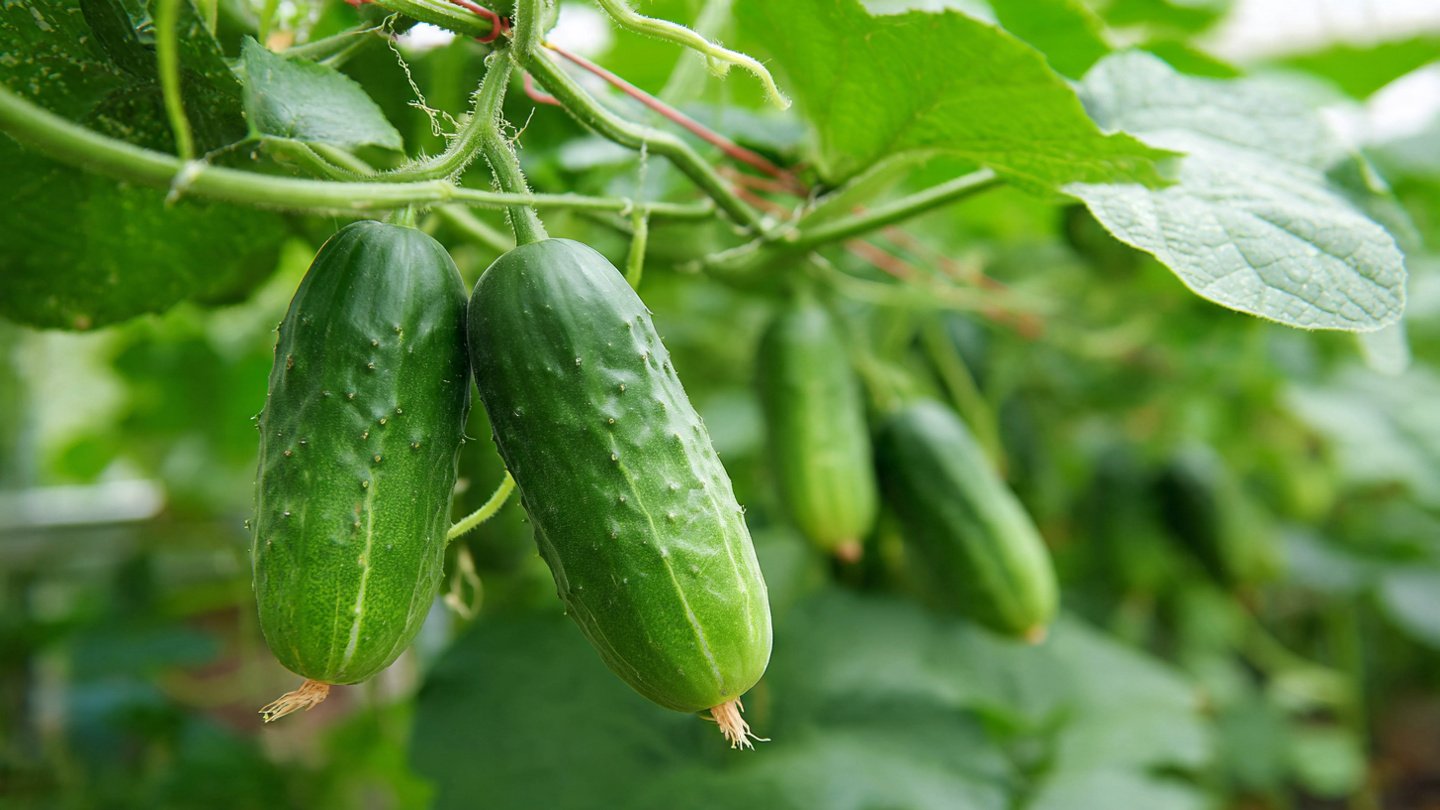
Cucumbers are one of the most popular vegetables in home gardens around the world. Crisp, refreshing, and versatile, they can be eaten raw, pickled, or added to salads, smoothies, and a variety of dishes. While many gardeners purchase seeds or seedlings, an exciting and cost-effective method is to grow cucumbers directly from the seeds of store-bought cucumbers. This method allows gardeners to turn a single fruit into a thriving vine, providing fresh cucumbers for months. If you’ve ever wondered how to grow cucumbers from cucumbers, this guide will walk you through the entire process step by step, ensuring high success rates and abundant yields.
Step 1: Understanding Cucumbers and Their Growing Needs
Before diving into planting, it’s important to understand cucumber plants and what they require for healthy growth. Cucumbers are warm-season vegetables that thrive in sunny conditions and well-draining soil. They grow as vines, so providing vertical support or trellises is recommended to save space and improve fruit quality.
Key requirements include:
- Sunlight: At least 6–8 hours of full sun daily.
- Warm soil: Ideal soil temperatures for germination are 70–95°F (21–35°C).
- Soil type: Loamy, well-draining soil rich in organic matter.
- Water: Consistent moisture is crucial, especially during flowering and fruiting.
Cucumbers are generally classified into two types: slicing cucumbers (for fresh eating) and pickling cucumbers. Choose the variety that best suits your culinary needs.
Step 2: Selecting a Cucumber for Seeds
Not all cucumbers are ideal for growing from seed. For best results:
- Choose an organic cucumber – Non-organic or hybrid cucumbers may not produce true-to-type offspring. Organic cucumbers are more likely to yield viable seeds.
- Select a mature fruit – Seeds from a fully ripened cucumber are more likely to germinate. Look for cucumbers that are firm and fully grown, sometimes turning slightly yellow if left to ripen on the vine.
- Avoid damaged fruits – Cracks, blemishes, or soft spots can indicate poor seed quality.
Once you’ve selected your cucumber, it’s time to prepare the seeds.
Step 3: Preparing Seeds from a Cucumber
Extracting and preparing seeds properly is critical to successful germination. Here’s a simple method:
- Cut the cucumber – Slice the cucumber lengthwise and scoop out the seeds with a spoon.
- Separate seeds from pulp – Place seeds in a bowl of water, rubbing gently to remove the surrounding flesh. Viable seeds usually sink to the bottom, while non-viable seeds and pulp float. Discard the floating seeds and pulp.
- Ferment the seeds (optional but recommended) – Place the viable seeds in a jar of water and let them sit for 2–3 days at room temperature. This fermentation process removes the gel coating on seeds and can help reduce fungal diseases. Stir the mixture daily.
- Rinse and dry – After fermentation, rinse the seeds thoroughly under running water and spread them on a paper towel to dry for a day or two. Do not store them in a damp environment, as this may cause mold.
Step 4: Sowing Cucumber Seeds
Now that your seeds are prepared, it’s time to plant them:
- Select containers or seed trays – Shallow trays or small pots with drainage holes work well.
- Fill with seed-starting mix – Use a light, well-draining soil or seed-starting mix. Avoid garden soil alone, as it may compact and hinder root growth.
- Plant the seeds – Sow seeds about ½ inch deep and cover lightly with soil. Plant 2–3 seeds per container for better germination odds.
- Water gently – Moisten the soil without washing away the seeds. A spray bottle works well.
- Provide warmth and light – Place containers in a warm spot with indirect sunlight. A temperature of 70–85°F (21–29°C) promotes quick germination.
Cucumber seeds typically sprout within 7–10 days. Keep soil moist but not waterlogged during this period.
Step 5: Caring for Seedlings
Once the seeds germinate, care during the seedling stage is crucial for strong growth:
- Light: Seedlings require bright light to prevent them from becoming leggy. If indoors, place them near a sunny window or under a grow light for 12–16 hours a day.
- Water: Maintain consistent moisture, but avoid overwatering. Soggy soil can cause damping-off disease, which kills young seedlings.
- Thinning: If multiple seedlings emerge in a single pot, thin to the strongest plant to avoid overcrowding and ensure healthy development.
After 2–3 weeks, seedlings will develop several true leaves and become ready for transplanting.
Step 6: Transplanting Seedlings Outdoors
Cucumbers are warm-weather plants, so transplant them outdoors only after the danger of frost has passed and soil has warmed sufficiently:
- Harden off seedlings – Gradually acclimate them to outdoor conditions over 5–7 days. Start with a few hours of morning sun each day, increasing exposure gradually.
- Prepare the garden bed – Select a sunny location with well-draining soil enriched with compost or organic fertilizer.
- Plant seedlings – Space plants about 12–24 inches apart, depending on the variety. For vining types, leave room for trellising.
- Provide support – Use trellises, stakes, or netting for vertical growth. This helps maximize yield, prevents rot, and makes harvesting easier.
- Water thoroughly – Water the plants immediately after transplanting to reduce transplant shock.
Step 7: Ongoing Care and Maintenance
Cucumber plants grow rapidly and require regular care to produce high yields:
- Watering: Provide consistent deep watering, especially during flowering and fruiting. Avoid overhead watering to reduce fungal disease risks.
- Fertilization: Apply a balanced fertilizer every 3–4 weeks to support strong growth and abundant flowering.
- Mulching: Mulch around the base of plants to retain moisture, regulate soil temperature, and reduce weeds.
- Pruning: Remove damaged or yellowing leaves to improve airflow and reduce disease risks. For vining varieties, prune lateral shoots to focus energy on fruit production.
- Pest management: Watch for common pests like aphids, cucumber beetles, and powdery mildew. Organic treatments, such as neem oil, can be effective.
Step 8: Flowering and Pollination
Cucumbers produce both male and female flowers. Proper pollination is essential for fruit set:
- Encourage pollinators: Bees and other insects are natural pollinators. Plant flowers nearby to attract them.
- Hand pollination: If pollinators are scarce, use a small brush to transfer pollen from male flowers to female flowers. Female flowers are identified by a tiny cucumber at the base of the bloom.
Regular monitoring ensures good fruit formation and prevents wasted flowers.
Step 9: Harvesting Cucumbers
Cucumbers are ready to harvest when they reach the desired size, typically 6–8 inches for slicing varieties and 3–5 inches for pickling types:
- Check daily: Cucumbers grow quickly, so daily monitoring is ideal. Overripe cucumbers can become bitter and seedy.
- Harvest carefully: Use a sharp knife or scissors to cut cucumbers from the vine, leaving a small stem attached to avoid damaging the plant.
- Frequency: Regular harvesting encourages the plant to produce more fruits throughout the season.
Freshly harvested cucumbers are crisp, flavorful, and perfect for salads, pickles, or snacks.
Step 10: Common Mistakes to Avoid
Even though growing cucumbers from cucumbers is simple, gardeners often make mistakes:
- Using unripe fruit seeds – Only fully matured cucumbers produce viable seeds.
- Overwatering seedlings – Leads to damping-off disease.
- Insufficient sunlight – Causes weak, leggy plants.
- Neglecting pollination – Without pollination, female flowers will not set fruit.
- Crowding plants – Overcrowded plants have reduced airflow and higher disease risk.
By paying attention to these details, you can ensure strong, healthy cucumber plants with high yields.
Step 11: Benefits of Growing Cucumbers from Cucumbers
Growing cucumbers from the seeds of store-bought cucumbers is cost-effective, sustainable, and rewarding:
- Saves money – A single cucumber can provide dozens of seeds for free.
- Variety selection – Grow your favorite store-bought varieties at home.
- Sustainable gardening – Reduces reliance on packaged seeds and encourages recycling of food waste.
- Satisfaction: Watching a cucumber grow from seed to vine is an enriching gardening experience.
Conclusion
Growing cucumbers from cucumbers is a simple, rewarding method every gardener can try. By selecting the right fruit, preparing seeds properly, providing proper care during germination, and supporting vines with trellises, gardeners can enjoy a steady supply of fresh, delicious cucumbers throughout the season.
This approach not only saves money but also offers the satisfaction of turning a humble fruit into a thriving vegetable garden. With attention to sunlight, water, pollination, and pest management, anyone can grow cucumbers successfully, regardless of experience level. Start today, and in a few weeks, you’ll be harvesting crisp, homegrown cucumbers straight from your garden—proof that even a single fruit can grow into a fruitful journey.