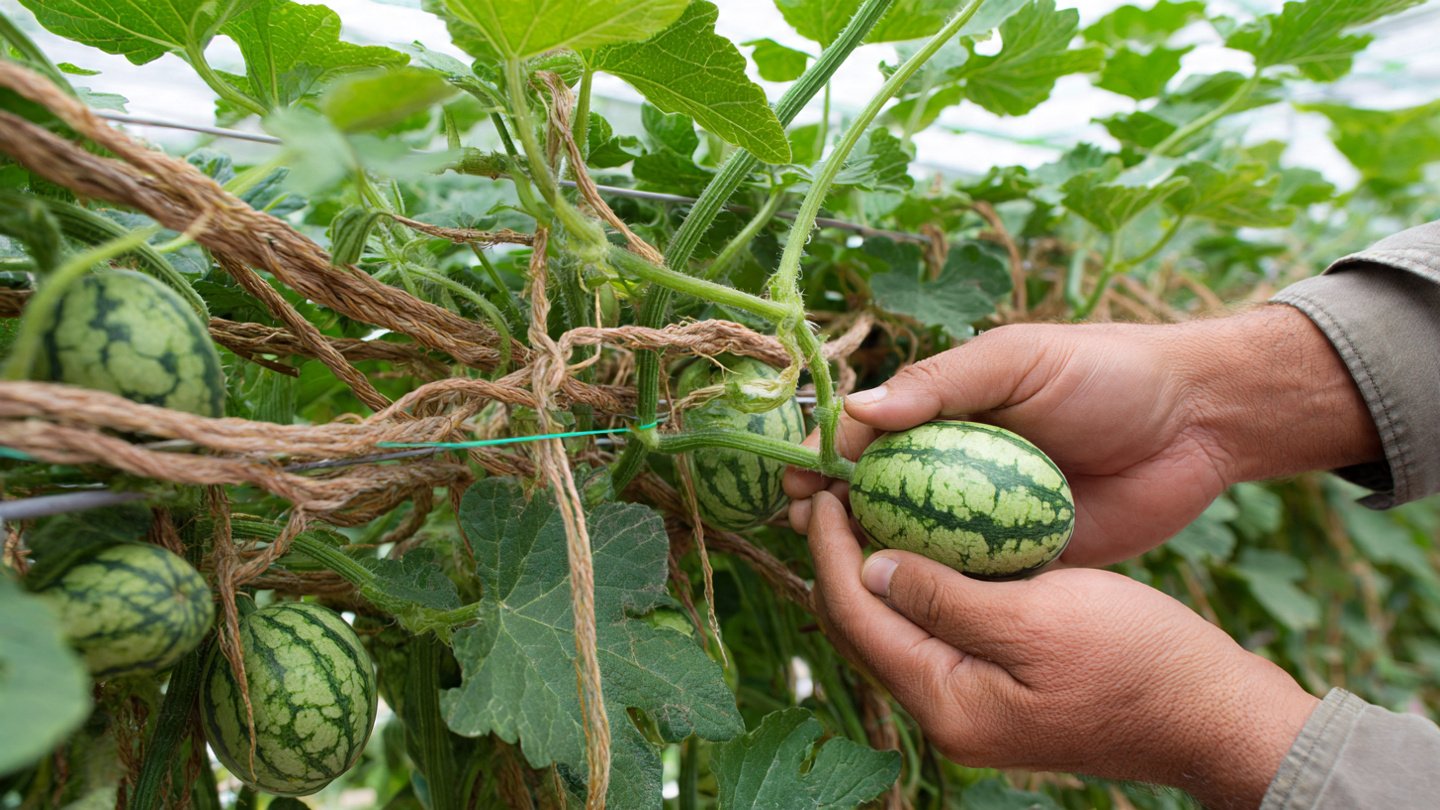
Watermelon is one of the most beloved summer fruits, cherished for its juicy sweetness and refreshing quality. However, growing watermelons can be challenging. Vines are susceptible to pests, diseases, and poor soil conditions, which can reduce fruit quality and yield. Fortunately, a revolutionary technique known as watermelon grafting has transformed the way gardeners and farmers cultivate this delicious fruit. By combining the strengths of two plants, watermelon grafting produces super-strong vines that resist disease, tolerate stress, and deliver higher yields. This guide will explain everything you need to know to master this simple but highly effective method.
Why Graft Watermelon Plants?
Grafting is a horticultural technique where the fruiting part of a plant, called the scion, is joined to a rootstock with superior growth characteristics. For watermelons, the scion determines fruit quality—sweetness, size, and color—while the rootstock contributes vigor, disease resistance, and tolerance to soil-borne problems.
Key benefits of watermelon grafting include:
- Stronger, more vigorous vines: Grafted plants develop thicker stems and robust root systems.
- Disease resistance: Rootstocks can resist common watermelon problems like Fusarium wilt and nematodes.
- Higher yields: Stronger plants produce more flowers and fruits per vine.
- Adaptability: Grafted watermelons perform better in suboptimal soil or challenging climates.
- Early maturity: Grafted vines grow faster, producing fruit sooner than non-grafted plants.
By grafting, gardeners can overcome many limitations of traditional watermelon cultivation.
Selecting the Right Rootstock
The rootstock forms the foundation of your grafted watermelon plant. Choosing a suitable rootstock is critical for success. Popular rootstock options include pumpkin, squash, or certain disease-resistant watermelon varieties.
When selecting rootstock:
- Choose vigorous, healthy seedlings that are free from disease.
- Look for roots adapted to local soil conditions.
- Use seedlings approximately 3–4 weeks old, with strong stems and well-developed roots.
The rootstock determines the plant’s resistance to disease, soil tolerance, and overall vigor, so invest in high-quality seedlings.
Selecting a Healthy Scion
The scion is the part of the watermelon plant that produces fruit. Selecting the right scion ensures you get high-quality, tasty watermelons.
Tips for scion selection:
- Use young, healthy vines with strong growth and no signs of disease.
- Select varieties suited to your climate and desired fruit characteristics.
- Ensure the scion has 2–3 true leaves for successful grafting.
Proper selection ensures that your grafted plant will produce excellent fruit while benefiting from the rootstock’s strengths.
Step-by-Step Watermelon Grafting Process
Step 1: Prepare the Seedlings
Grow the rootstock and scion separately until they reach the appropriate size. Water the seedlings thoroughly the day before grafting to prevent wilting.
Step 2: Make the Graft
There are several grafting methods, but the cleft graft is the most common for watermelon.
- Cut the rootstock stem about 2–3 inches above the soil using a sharp, sterile knife.
- Make a vertical slit about 1–1.5 inches deep in the center of the cut.
- Shape the base of the scion into a wedge that fits snugly into the slit.
Proper alignment of the cambium layers—the growing tissue between the bark and wood—is critical for graft success.
Step 3: Secure the Graft
Use grafting tape or a soft rubber band to hold the scion firmly against the rootstock. Avoid compressing it too tightly, which can damage the tissues.
Step 4: Create a Healing Environment
Place the grafted plant in a humid, shaded area with indirect light. Maintain high humidity by covering with a plastic dome or bag, which prevents the plant from drying out. Healing usually takes 7–10 days, during which the scion begins to grow and new leaves appear.
Caring for Grafted Watermelon Plants
Once the graft heals, the plant needs careful care to ensure strong growth and high yield:
- Transplanting: Move the plant to the garden or larger containers after 10–14 days, once it shows strong new growth.
- Sunlight: Gradually expose the plant to full sunlight to prevent shock.
- Watering: Water deeply and consistently, but avoid waterlogging. Grafted watermelons thrive with well-drained soil.
- Fertilization: Use balanced fertilizers to encourage vigorous growth and fruiting. Compost and organic fertilizers are excellent choices.
Regular monitoring for pests and diseases is also important, though grafted plants are generally more resilient.
Common Challenges and How to Overcome Them
Even with grafting, gardeners may face some challenges:
- Poor Graft Union: Misaligned cambium layers can result in graft failure. Always ensure proper alignment and gentle handling.
- Wilting Scion: If the scion begins to wilt, reduce sunlight exposure and increase humidity.
- Pests: Aphids or whiteflies may target young grafted plants. Use organic pest control methods.
With attention to detail, the success rate of watermelon grafting can exceed 90%.
Tips for Maximizing Yields
To fully take advantage of grafted watermelon plants:
- Provide space for vines: Even vigorous grafted vines need room to spread. Allow adequate spacing between plants.
- Prune carefully: Remove damaged leaves and weak lateral shoots to direct energy toward fruit production.
- Pollination: Ensure proper pollination, either naturally by bees or manually for higher fruit set.
- Support fruits: If necessary, use nets or supports for larger melons to prevent stress on the vine.
Grafted plants respond well to careful management and produce consistently higher yields than non-grafted counterparts.
Advantages for Home Gardeners and Farmers
Watermelon grafting isn’t just for commercial growers; home gardeners can benefit as well:
- Healthier plants with less chemical use: Disease resistance reduces the need for pesticides.
- Higher success rate: Even beginners can achieve strong vines and better harvests.
- Cost-effective: While initial grafting requires effort, stronger plants reduce crop losses and increase fruit production.
- Variety selection: Home gardeners can combine their favorite fruiting varieties with the most vigorous rootstocks.
Grafting empowers gardeners to grow more watermelons with less risk and effort.
Conclusion
The revolutionary watermelon grafting method is a game-changer for anyone looking to grow strong, high-yield vines. By combining a high-quality scion with a vigorous, disease-resistant rootstock, gardeners can overcome common challenges like soil-borne diseases, pests, and weak plants. This simple trick not only ensures healthier vines but also produces larger, tastier, and more abundant fruits.
Whether you are a home gardener experimenting in your backyard or a farmer looking to improve production, watermelon grafting is a practical and highly effective technique. With careful selection of rootstock and scion, proper grafting technique, and attentive aftercare, you can enjoy the satisfaction of abundant, juicy watermelons season after season.