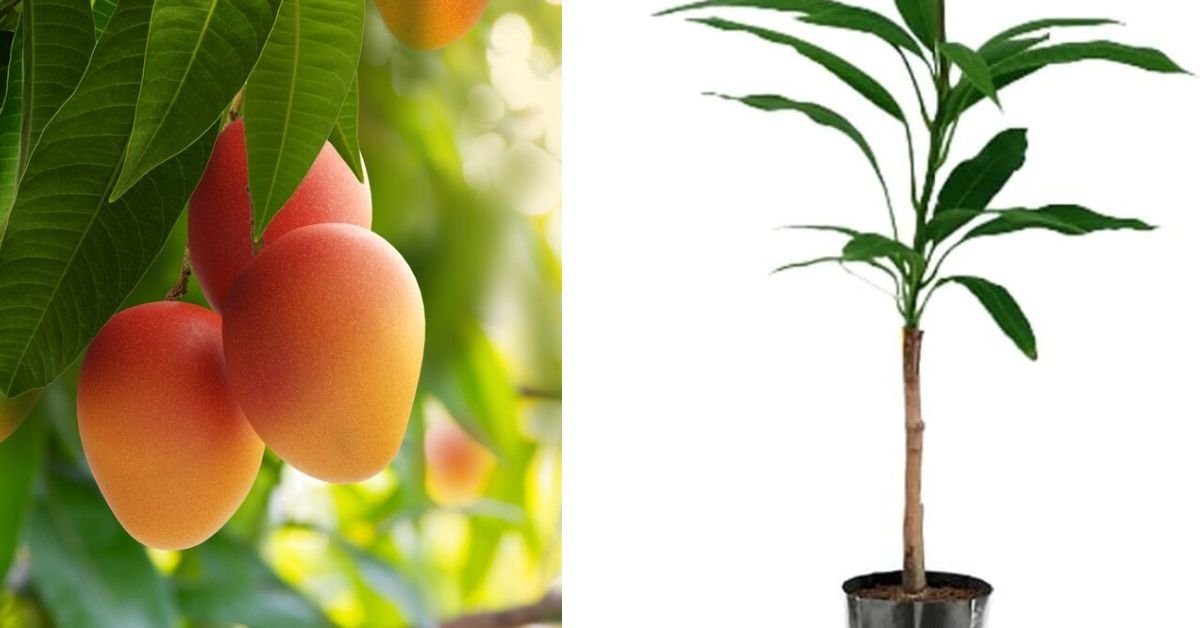
Mango is often called the “king of fruits,” prized for its rich flavor, aroma, and nutritional value. While growing a mango tree from seed is easy, it can take many years to bear fruit—and the results are often unpredictable. Grafting changes everything. By mastering mango grafting, you can grow trees that fruit faster, stay true to the parent variety, and produce superior-quality mangoes. This complete guide explains mango grafting in a clear, practical way, helping beginners and home gardeners achieve professional-level results.
Why Grafting Is Essential for Mango Trees
Mango trees grown from seed may take 6–10 years to fruit, and the mangoes they produce may not resemble the original fruit at all. Grafting solves these problems by combining two plants into one:
- Rootstock – Provides strong roots, disease resistance, and climate adaptability
- Scion – A cutting from a proven, high-quality mango variety
The result is a tree that grows faster, fruits earlier (often in 2–4 years), and produces consistent, high-quality mangoes.
Key Benefits of Grafting Mango Trees
- Faster fruiting compared to seed-grown trees
- Guaranteed fruit quality and taste
- Stronger resistance to pests and diseases
- Better adaptability to local soil and climate
- More compact trees, ideal for home gardens
For gardeners with limited space or patience, grafting is the smartest way to grow mangoes.
Best Time to Graft Mango Trees
Timing plays a major role in grafting success. The best period for mango grafting is:
- Late spring to early monsoon in tropical and subtropical regions
- When temperatures are warm (25–35°C) and humidity is moderate
- When the rootstock is actively growing
Avoid grafting during extreme heat, cold, or dry seasons, as stress reduces success rates.
Choosing the Right Rootstock
A healthy rootstock is the foundation of successful grafting.
Ideal rootstock characteristics:
- 6–12 months old seedling
- Pencil-thick stem
- Disease-free and vigorous growth
- Well-adapted to your local soil and climate
Local mango seedlings often make excellent rootstocks because they are naturally suited to regional conditions.
Selecting the Perfect Scion
The scion determines the quality of your mango harvest.
Choose a scion that is:
- From a high-yielding, disease-free mango tree
- Mature but not woody (semi-hardwood)
- About 10–15 cm long with 2–3 healthy buds
Cut the scion early in the morning and use it as soon as possible to prevent moisture loss.
Essential Tools and Materials
Before you begin, prepare the following:
- Sharp grafting knife or blade
- Pruning shears
- Grafting tape or plastic strip
- Clean cloth
- Optional: grafting wax or aloe vera gel
Always sterilize your tools to prevent infection.
Popular Mango Grafting Methods
Several grafting techniques work well for mango, but these are the most reliable for home gardeners:
1. Veneer Grafting
One of the most commonly used methods.
Steps:
- Make a shallow vertical cut on the rootstock
- Shape the base of the scion into a wedge
- Fit the scion tightly into the cut
- Secure firmly with grafting tape
This method has a high success rate and is ideal for beginners.
2. Cleft Grafting
Best for slightly thicker rootstocks.
Steps:
- Cut the rootstock horizontally
- Split the stem vertically
- Insert a wedge-shaped scion into the split
- Tie tightly to hold the scion in place
Cleft grafting ensures strong contact between cambium layers.
3. Softwood Grafting
Often used in nurseries for mass propagation.
Steps:
- Use soft, actively growing rootstock
- Graft with a fresh scion of similar thickness
- Cover the graft area with a plastic sleeve to retain humidity
This method promotes fast healing and early growth.
Aftercare: The Key to Grafting Success
Grafting doesn’t end once the scion is attached. Proper aftercare is crucial.
- Keep the grafted plant in partial shade
- Protect from strong wind and direct sunlight
- Water regularly but avoid waterlogging
- Remove any shoots emerging from below the graft
Within 2–4 weeks, successful grafts will show new leaf growth from the scion.
Common Mistakes to Avoid
- Using dull or dirty tools
- Poor alignment of cambium layers
- Grafting during unfavorable weather
- Allowing the graft to dry out
- Leaving grafting tape on too long
Remove the tape after 4–6 weeks to prevent stem constriction.
Training and Pruning Grafted Mango Trees
Once the graft is established, pruning helps shape the tree and improve fruiting.
- Remove weak or crossing branches
- Encourage a low, spreading canopy
- Prune lightly after harvest
A well-shaped tree is easier to manage and produces better-quality fruit.
How Soon Will a Grafted Mango Tree Bear Fruit?
Most grafted mango trees begin flowering within 2–3 years. Full production usually starts by the fourth or fifth year, depending on care, climate, and variety. This is significantly faster than seed-grown trees, which may take a decade or longer.
Tips for Superior Fruit Quality
- Ensure full sunlight exposure
- Feed with balanced organic fertilizers
- Avoid excessive nitrogen during flowering
- Maintain proper irrigation during fruit development
Healthy grafted trees reward you with larger, sweeter, and more aromatic mangoes.
Final Thoughts
Grafting is the secret behind fast-growing mango trees and premium-quality fruit. While it may seem technical at first, mastering mango grafting is well within reach for home gardeners. With the right timing, healthy plant material, and careful aftercare, you can transform ordinary seedlings into high-performing mango trees that deliver abundant harvests for years to come.
Once you experience the success of your first graft, mango grafting becomes not just a technique—but a rewarding gardening skill that brings you closer to self-sufficiency and truly exceptional fruit.