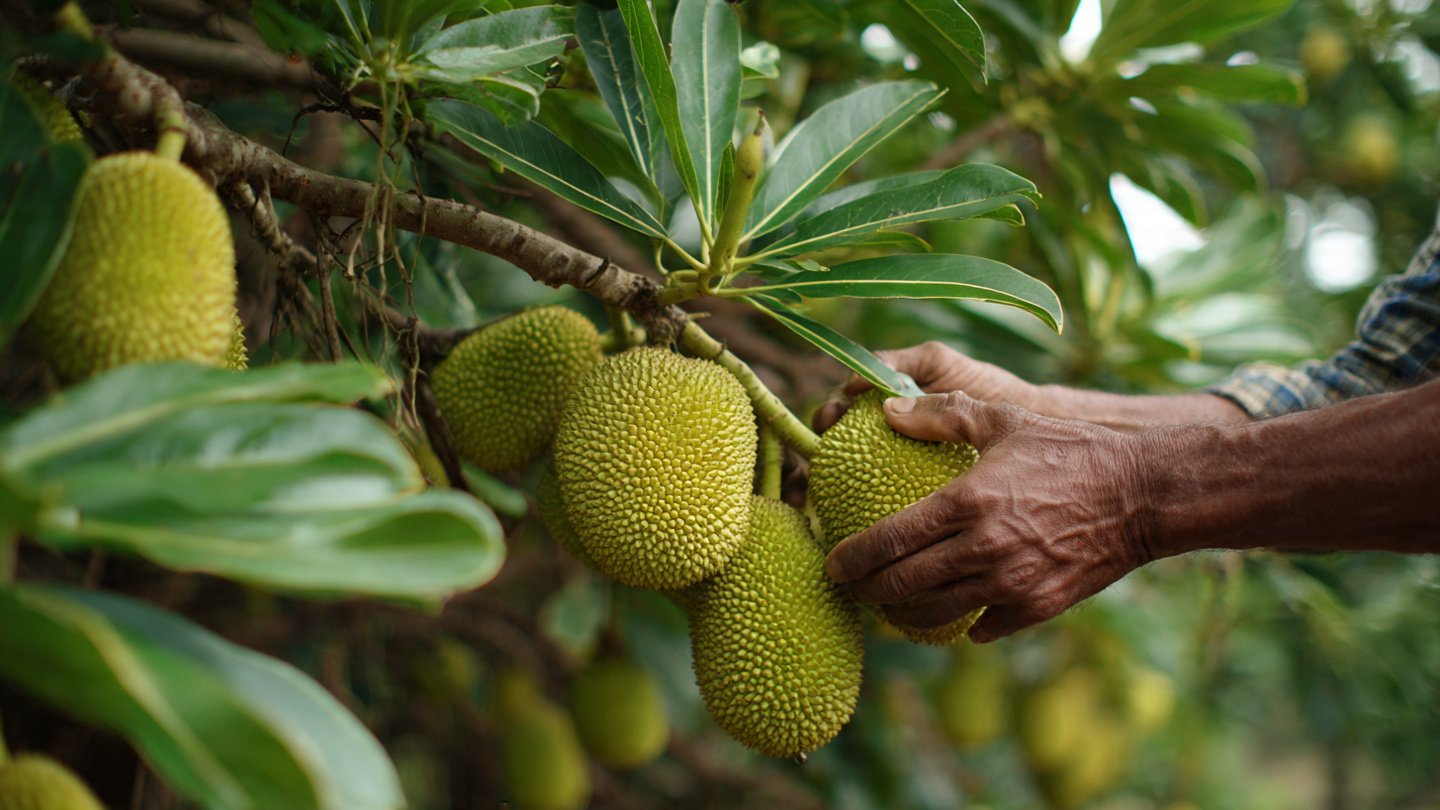
Jackfruit is one of the most remarkable tropical fruit trees, prized for its enormous, sweet fruits and long productive life. However, growing jackfruit from seeds can be slow, unpredictable, and often results in trees with inconsistent fruit quality. For gardeners and farmers seeking faster growth and superior fruits, grafting has become the ultimate solution. With modern, next-level techniques, you can produce healthy, high-yielding jackfruit trees in significantly less time than traditional methods.
This article explores advanced grafting methods, practical tips, and strategies to ensure your jackfruit trees grow rapidly and bear premium fruits.
Why Grafting is a Game-Changer for Jackfruit
Traditional seed propagation can take 5–8 years for a jackfruit tree to produce its first fruits. Moreover, seed-grown trees often vary in fruit quality and size. Grafting allows you to reproduce a tree that has already proven its worth, ensuring uniformity in fruit taste, size, and quality.
The key advantages of grafting include:
- Faster fruiting: Grafted trees can bear fruits in 2–4 years instead of 5–8 years.
- Superior fruit quality: The fruit is identical to the parent tree in taste, texture, and size.
- Disease resistance: Selecting a healthy scion from a disease-free parent improves resilience.
- Compact growth: Some grafting techniques produce smaller, manageable trees suitable for home gardens or limited spaces.
By combining the right rootstock with a high-quality scion, you create a tree optimized for growth and production.
Step 1: Select the Right Rootstock
Rootstock choice is critical in grafting success. The rootstock provides the foundation for the grafted tree, influencing growth rate, nutrient uptake, and adaptability to soil conditions.
For jackfruit:
- Choose a healthy, vigorous young tree, preferably 6–12 months old.
- Rootstock should have a straight trunk and well-developed root system.
- Avoid rootstocks with signs of disease, insect damage, or slow growth.
Using strong, disease-free rootstock ensures the scion grows quickly and develops into a healthy tree.
Step 2: Choose the Perfect Scion
The scion is the upper portion of the plant that determines the fruit variety. Selecting a superior scion is crucial to achieving fast growth and excellent fruit quality.
Guidelines for scion selection:
- Use 1-year-old branches from healthy, fruit-bearing jackfruit trees.
- Choose branches that are mature but not overly woody. Semi-hardwood cuttings work best.
- Ensure the scion is free of pests, diseases, or physical damage.
High-quality scions allow the grafted tree to inherit all the desirable traits of the parent tree.
Step 3: The Next-Level Grafting Technique
Traditional cleft grafting or veneer grafting can be effective, but next-level grafting techniques focus on maximizing success rates and speed. One such approach is side-veneer grafting, which is simple yet highly efficient for jackfruit.
Steps for Side-Veneer Grafting:
- Make a 2–3 inch vertical cut on the side of the rootstock stem.
- Trim the base of the scion into a wedge shape.
- Insert the scion into the cut on the rootstock, ensuring cambium layers align.
- Wrap the graft union tightly with grafting tape or plastic to prevent moisture loss.
- Cover the graft with a small plastic bag for humidity retention.
This technique ensures the scion and rootstock join properly, promoting faster healing and early growth. Many gardeners report success rates over 80% with this method.
Step 4: Care After Grafting
Grafting is only half the battle; proper post-graft care is essential for rapid growth.
Essential Care Tips:
- Watering: Keep the soil moist but not waterlogged to support rootstock and scion growth.
- Shade: Protect the graft from direct sunlight for the first 2–3 weeks.
- Remove Suckers: Cut off any shoots emerging from the rootstock below the graft union. This prevents competition for nutrients.
- Fertilization: Use a balanced, organic fertilizer to strengthen the graft union. Compost tea or diluted cow dung solution works well.
Consistent care ensures the graft heals quickly and the tree begins vigorous growth.
Step 5: Pruning and Training
Once the graft has taken and new shoots start to grow, pruning and shaping the tree are crucial for rapid growth and fruit development.
- Remove weak or crossing branches to encourage stronger primary shoots.
- Train the tree to develop a balanced canopy for better sunlight penetration.
- Pinch the growing tips during the early years to stimulate lateral growth and faster branching.
A well-pruned grafted tree grows faster, develops more branches, and produces better fruits sooner.
Step 6: Timing for Maximum Success
Timing affects grafting success rates. For jackfruit:
- Grafting is best done at the start of the growing season when sap flow is active.
- Avoid extreme weather conditions such as intense heat or heavy rains.
- Morning or late afternoon grafting reduces stress on the plant.
Timing the graft carefully maximizes success and ensures the tree grows rapidly after the procedure.
Step 7: Monitoring for Diseases and Pests
Even with grafting, young jackfruit trees are vulnerable to pests and diseases. Proper monitoring is crucial for healthy growth:
- Inspect the graft union regularly for fungal infections or rot.
- Watch for common pests like aphids, mealybugs, and stem borers.
- Apply natural pest control methods such as neem oil or garlic spray if necessary.
Early detection prevents minor issues from affecting growth and fruit production.
Step 8: Harvesting the Benefits
With next-level grafting, your jackfruit tree will grow faster, develop a strong canopy, and start producing fruits earlier than seed-grown trees. Within 2–4 years, you can expect your grafted tree to bear high-quality jackfruits identical to the parent tree.
Other long-term benefits include:
- Uniform fruit size and taste
- Easier management of the tree for pruning and harvesting
- Reduced risk of poor fruit quality due to genetic variability
This technique allows gardeners to enjoy premium jackfruit sooner and with greater consistency.
Final Thoughts
Grafting jackfruit is a game-changing method for anyone looking to grow faster, stronger, and fruit-rich trees. By combining the right rootstock, superior scion, and advanced grafting techniques, you can reduce the waiting period for fruit production and achieve better-quality yields.
Next-level grafting is not just about joining two plant parts—it’s about understanding plant physiology, timing, and care to maximize growth potential. With proper attention to detail, post-graft care, and pest management, your jackfruit tree will thrive and reward you with abundant, superior fruits for years to come.
For gardeners seeking innovation and results, adopting these advanced grafting techniques is the most effective way to take jackfruit cultivation to the next level.