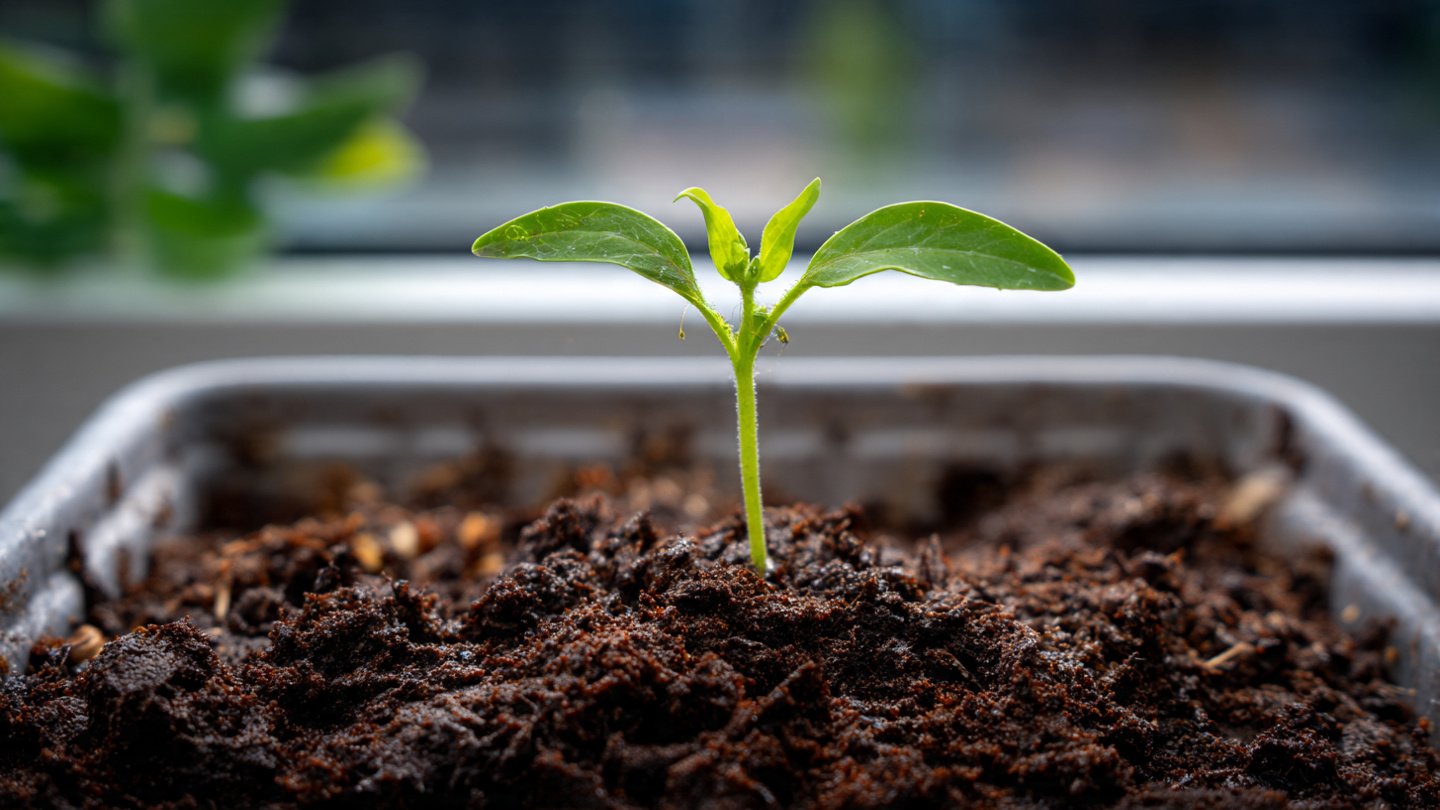
Growing your own apple trees from seeds can be a rewarding and educational experience. While many people rely on buying seedlings or saplings from nurseries, starting apples from seeds lets you observe the entire life cycle of a plant, from tiny seed to full-grown tree. Although it requires patience—apple trees grown from seeds can take several years to bear fruit—indoor germination allows you to control the environment, ensuring higher success rates and healthy seedlings. This guide will walk you step by step through the ultimate apple seed indoor germination process, helping you achieve thriving plants.
Why Grow Apple Trees from Seeds?
While growing apples from seeds is a long-term commitment, there are several advantages:
- Educational Value: Watching an apple seed develop into a sapling is a fascinating and instructive process, perfect for children, students, or beginner gardeners.
- Cost-Effective: Apple seeds are free if you save them from apples you purchase, making this a low-cost way to start a garden.
- Genetic Experimentation: Seeds from store-bought apples may yield unique trees with different flavors, textures, and colors, providing a sense of discovery.
- Indoor Gardening: Germinating seeds indoors protects them from harsh weather, pests, and unpredictable soil conditions.
Although apple trees grown from seeds may not produce fruit identical to the parent apple, the experience is rewarding and a perfect way to learn the fundamentals of plant care.
Step 1: Collecting and Preparing Apple Seeds
Successful germination begins with healthy seeds:
- Choose the Right Apple: Use fresh, ripe apples, preferably organic to avoid chemical treatments that may inhibit germination.
- Extract the Seeds: Cut the apple open and carefully remove the seeds. Rinse them gently to remove any fruit residue.
- Drying: Allow seeds to air-dry on a paper towel for a day or two. Avoid excessive heat, which can damage the seed.
Tip: Only use seeds that are plump and firm. Shriveled or damaged seeds are less likely to germinate.
Step 2: Stratification – Mimicking Winter
Apple seeds require cold stratification, a process that simulates winter and triggers germination in spring. Without this step, seeds may remain dormant indefinitely.
Stratification Steps:
- Wrap Seeds: Place seeds in a moist paper towel or a small container filled with damp sand or peat moss. The medium should be moist but not soaking wet.
- Seal: Put the wrapped seeds in a plastic bag or airtight container to retain moisture.
- Cold Storage: Place the container in the refrigerator at 1–5°C (34–41°F) for 6–8 weeks.
- Check Moisture: Periodically check the seeds to ensure the medium remains slightly damp. Add water if it starts to dry out.
Cold stratification breaks the seed’s dormancy and ensures higher germination success. Skipping this step drastically reduces your chances of seeing sprouting seedlings.
Step 3: Choosing the Right Container
Once stratification is complete, the next step is to plant seeds in appropriate indoor containers:
- Seed Trays or Pots: Small seedling trays or pots with drainage holes work best. Avoid containers without drainage to prevent waterlogging.
- Soil: Use a light, well-draining potting mix. Avoid heavy garden soil, which can compact and inhibit root growth.
- Depth: Plant seeds about ½ inch deep into the soil. Cover lightly and gently press the soil to ensure seed-to-soil contact.
Container choice affects root development and overall seedling health, so select options that promote proper drainage and growth.
Step 4: Providing Optimal Germination Conditions
After planting, create a controlled environment for the seeds to sprout:
- Temperature: Keep indoor temperatures between 20–25°C (68–77°F).
- Light: Initially, seeds do not require light. Once seedlings emerge, place them in a bright spot with indirect sunlight or under a grow light.
- Moisture: Keep the soil consistently moist but not soggy. Overwatering can lead to rot, while dry soil prevents germination.
- Humidity: Covering the pots with a clear plastic dome or plastic wrap can help retain humidity during germination. Remove it once seedlings emerge.
Apple seeds usually sprout within 2–4 weeks, but some can take longer. Patience is essential during this stage.
Step 5: Caring for Seedlings
Once the seedlings emerge, care and maintenance are key:
- Thinning: If multiple seeds germinate in a single pot, thin them to leave the strongest seedling. This prevents overcrowding and ensures healthier growth.
- Light Exposure: Move seedlings to a bright window or under grow lights for 12–16 hours per day. Adequate light prevents leggy growth.
- Watering: Continue to keep soil moist, but avoid saturation. Use a spray bottle to gently water seedlings.
- Fertilizing: After 4–6 weeks, begin applying a diluted, balanced liquid fertilizer every two weeks to promote leaf development and root growth.
Healthy seedlings develop strong stems and leaves, which are critical for future outdoor transplantation.
Step 6: Transplanting Seedlings Outdoors
Once seedlings grow 6–12 inches tall and the weather is suitable, they can be gradually acclimated for outdoor planting. This process, called hardening off, ensures they adjust to natural conditions:
- Gradual Exposure: Start by placing seedlings outside for 1–2 hours per day, gradually increasing exposure over 1–2 weeks.
- Location: Choose a sunny spot with well-draining soil. Apple trees prefer full sun for at least 6–8 hours daily.
- Spacing: If planting multiple seedlings, leave 10–15 feet between them to allow room for growth.
- Soil Preparation: Enrich planting soil with compost or organic matter. Dig holes deep enough to accommodate roots without bending or crowding.
Proper hardening off reduces transplant shock and increases survival rates of young apple plants.
Step 7: Outdoor Care and Maintenance
After transplanting, consistent care ensures strong growth:
- Watering: Young apple trees need deep watering once or twice per week. Established trees tolerate longer intervals.
- Mulching: Apply a 2–3 inch layer of organic mulch around the base, leaving space from the stem. Mulch retains moisture, suppresses weeds, and regulates soil temperature.
- Fertilizing: Apply a balanced, slow-release fertilizer in spring and summer to encourage leaf and root growth.
- Pruning: Remove damaged or crossing branches to promote airflow, prevent disease, and shape the tree.
By nurturing your young apple trees, you create a strong foundation for fruit production in later years.
Step 8: Patience for Fruit
Apple trees grown from seeds often take 5–10 years to produce fruit, depending on the variety and growing conditions. While you may not harvest immediately, the process provides valuable gardening experience and the satisfaction of growing a tree from scratch.
Tip: If you want earlier fruit, consider grafting your seedling onto a mature rootstock, which can significantly reduce the time to harvest.
Step 9: Troubleshooting Common Issues
Indoor and young apple plants may encounter challenges:
- Damping-Off: Seedlings collapse due to fungal infection caused by overwatering or poor ventilation. Use sterilized soil and avoid overwatering.
- Leggy Growth: Stems become tall and weak due to insufficient light. Increase sunlight or use grow lights.
- Yellow Leaves: Nutrient deficiencies, especially nitrogen, can cause yellowing. Apply a diluted, balanced fertilizer.
- Pests: Aphids, spider mites, or fungal gnats may appear indoors. Use neem oil or gentle sprays to control infestations.
Regular monitoring and care reduce the likelihood of these problems.
Conclusion
Growing apple trees from seeds indoors is a rewarding and educational journey. By following this ultimate guide—collecting seeds, stratifying them, providing optimal indoor germination conditions, nurturing seedlings, and transplanting outdoors—you can enjoy the entire life cycle of an apple tree. While patience is required, the process teaches invaluable lessons about plant care, germination, and horticulture.
Even though apple trees grown from seeds take years to bear fruit, the joy of watching your tiny seeds transform into thriving trees is unmatched. Whether you are a beginner gardener, a family seeking an educational project, or an aspiring horticulturist, indoor apple seed germination offers a fulfilling and long-term gardening experience.
Start your apple seed journey today, and watch as tiny seeds turn into mighty trees, bringing beauty, greenery, and eventually delicious fruit to your garden.