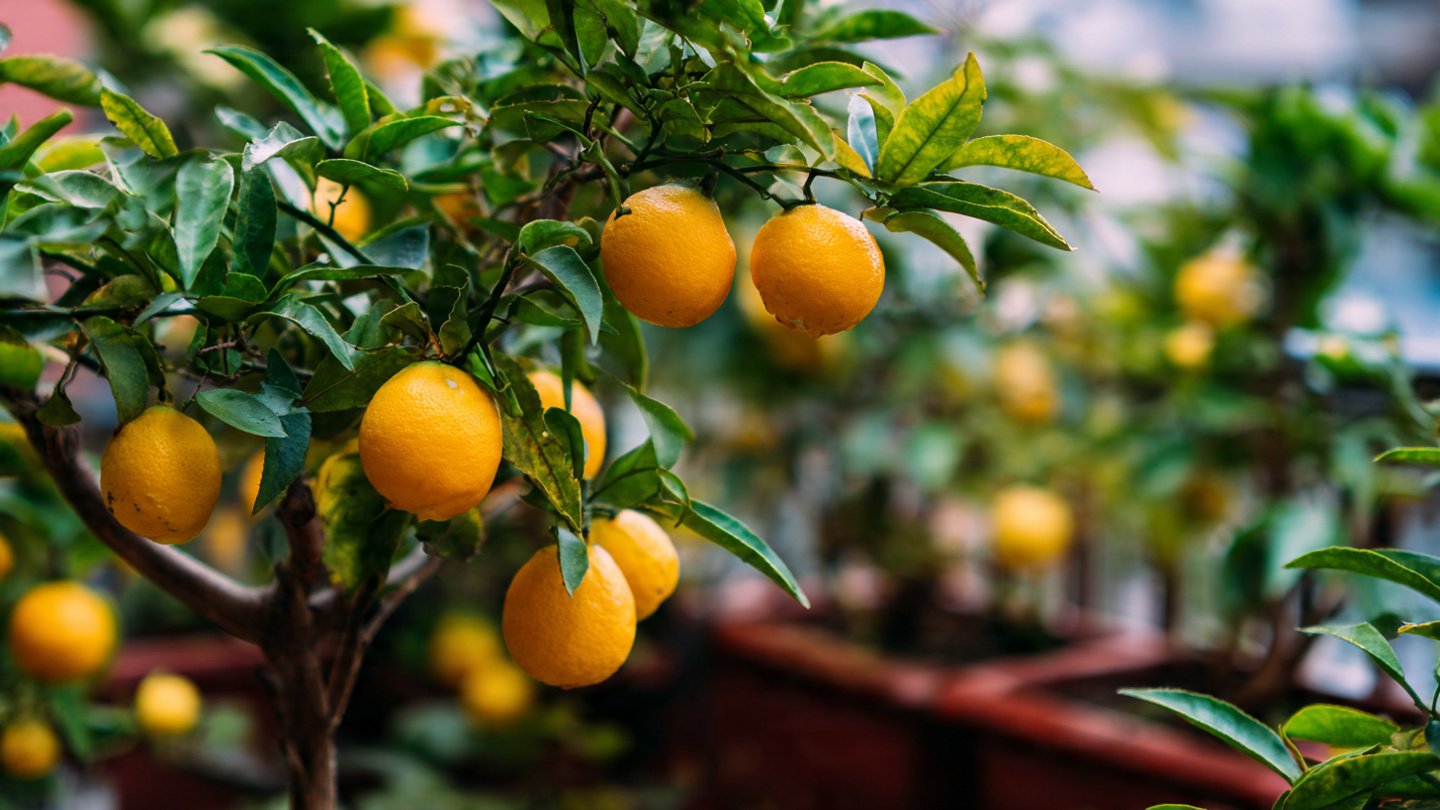
Citrus fruits—like lemons, oranges, limes, and mandarins—bring sunshine, flavor, and a refreshing aroma to any home. Imagine plucking fresh, juicy lemons or sweet oranges from your own balcony! With the right care and techniques, you don’t need a backyard to grow a thriving citrus garden. Even small spaces can yield healthy plants and abundant fruit.
This guide will show you how to grow a flourishing citrus garden on your balcony, covering plant selection, potting, soil preparation, watering, fertilizing, pruning, pest management, and harvesting. By following these steps, you can create a vibrant, productive citrus oasis in your urban space.
Why Grow Citrus on Your Balcony?
Growing citrus in containers is a popular choice for urban gardeners for several reasons:
- Space-Saving: Potted citrus trees are ideal for balconies, terraces, and patios.
- Fresh Produce: Enjoy fresh, organic fruits straight from your home.
- Aesthetic Appeal: Citrus trees have glossy green leaves, fragrant blossoms, and bright fruits that enhance your balcony’s appearance.
- Control Over Growth Conditions: Potted plants allow you to manage soil quality, sunlight, and watering easily.
- Flexibility: Container-grown citrus can be moved indoors during harsh weather or extreme temperatures.
Citrus gardening on a balcony combines beauty, nutrition, and urban sustainability.
Step 1: Selecting the Right Citrus Varieties
Not all citrus trees are suitable for container gardening. Choose compact or dwarf varieties that thrive in pots:
- Lemons: Meyer lemon trees are ideal for balconies due to their compact size and abundant flowers.
- Oranges: Dwarf varieties like “Calamondin” or “Washington Navel” work well.
- Limes: Key lime and Bearss lime are excellent for container growth.
- Mandarins: Dwarf mandarins are easy to grow and produce sweet fruits.
Choose varieties based on your climate, balcony size, and personal taste preferences. Dwarf and semi-dwarf types are easier to maintain and bear fruit faster.
Step 2: Choosing the Right Pots and Containers
Container choice is crucial for healthy citrus plants:
- Size: Start with a pot at least 12–16 inches in diameter for young trees. Mature trees may require 18–24 inches.
- Material: Terracotta, ceramic, or sturdy plastic pots work well. Terracotta is breathable but may dry out faster, while plastic retains moisture longer.
- Drainage: Ensure the pot has drainage holes to prevent waterlogging and root rot.
- Mobility: Consider lightweight pots or pots with wheels if you need to move them indoors during harsh weather.
A proper container supports strong root growth, prevents waterlogging, and keeps your balcony tidy.
Step 3: Preparing the Soil
Healthy soil is essential for vigorous citrus growth:
- Well-Draining Mix: Use a combination of garden soil, compost, and sand or perlite to ensure drainage.
- Slightly Acidic pH: Citrus trees prefer a soil pH of 6.0–7.0.
- Nutrient-Rich: Mix in organic compost or slow-release fertilizer to supply essential nutrients.
- Aeration: Loosen soil regularly to allow oxygen to reach the roots and prevent compaction.
Good soil preparation is the foundation for lush foliage, strong roots, and abundant fruiting.
Step 4: Planting Your Citrus Trees
Follow these steps for successful planting in containers:
- Fill the Pot: Add a layer of gravel at the bottom for drainage, then fill with your prepared soil mix.
- Planting Depth: Place the citrus tree at the same depth it was growing in its nursery container.
- Backfill Soil: Gently pack soil around the roots and water thoroughly.
- Space: Ensure each tree has enough room for leaves and branches to grow without crowding.
Proper planting ensures the roots establish quickly and the tree remains healthy in its container environment.
Step 5: Sunlight Requirements
Citrus trees need plenty of sunlight to thrive:
- Full Sun Exposure: At least 6–8 hours of direct sunlight daily is ideal.
- Balcony Orientation: South- or west-facing balconies provide optimal light.
- Supplemental Lighting: If sunlight is limited, consider grow lights to support photosynthesis.
Adequate sunlight is critical for flowering, fruiting, and healthy foliage.
Step 6: Watering Techniques
Container-grown citrus trees require careful watering:
- Consistent Moisture: Water when the top inch of soil feels dry.
- Avoid Overwatering: Citrus roots are prone to rot if soil remains soggy.
- Deep Watering: Water thoroughly to encourage deep root growth, allowing water to drain from the bottom.
- Mulching: Add a thin layer of organic mulch to retain soil moisture and regulate temperature.
Proper watering ensures healthy leaves, strong roots, and larger, juicier fruits.
Step 7: Fertilizing for Abundant Fruit
Citrus trees are heavy feeders and benefit from regular fertilization:
- Balanced Fertilizer: Use a citrus-specific fertilizer rich in nitrogen, phosphorus, potassium, magnesium, and trace elements.
- Frequency: Apply fertilizer every 6–8 weeks during the growing season.
- Organic Options: Seaweed extract, compost tea, and worm castings enhance soil fertility naturally.
- Avoid Overfertilization: Too much fertilizer can burn roots and damage leaves.
Fertilized trees produce vibrant leaves, fragrant flowers, and larger, flavorful fruits.
Step 8: Pruning and Maintenance
Regular pruning keeps your balcony citrus garden neat and productive:
- Remove Dead or Damaged Branches: Maintain plant health and prevent disease.
- Thin Canopy: Allow sunlight to reach inner leaves and promote airflow.
- Shape the Tree: Maintain a compact size suitable for your balcony.
- Flower Management: Some gardeners pinch off early flowers to encourage strong root and foliage growth in the first year.
Pruning enhances aesthetics, encourages fruiting, and maintains manageable size for container growth.
Step 9: Pest and Disease Management
Balcony citrus trees are susceptible to pests like aphids, mealybugs, spider mites, and scale insects:
- Regular Inspection: Check leaves, stems, and fruits for signs of pests.
- Organic Control: Spray neem oil, insecticidal soap, or horticultural oil for infestations.
- Prevent Fungal Issues: Avoid overwatering and ensure good airflow. Remove yellowing leaves promptly.
- Beneficial Insects: Ladybugs and lacewings can help control pest populations naturally.
Early intervention prevents major infestations and ensures continued growth and fruiting.
Step 10: Harvesting Citrus Fruits
Container-grown citrus trees can produce fruit within 1–2 years for dwarf varieties:
- Timing: Harvest when fruits reach full color and slightly soften.
- Frequency: Pick fruits regularly to encourage continuous production.
- Handling: Twist or cut fruits gently to avoid damaging branches.
- Storage: Store citrus fruits at room temperature for immediate use or refrigerate for longer shelf life.
Regular harvesting ensures a fresh supply of flavorful fruits and promotes further flowering and fruiting.
Tips for a Thriving Balcony Citrus Garden
- Rotate Pots: Move containers occasionally for uniform sunlight exposure.
- Wind Protection: Use screens or balcony railings to shield young trees from strong winds.
- Pollination: Encourage pollinators or hand-pollinate indoor flowers for better fruit set.
- Companion Plants: Grow herbs like basil or mint alongside citrus to deter pests and enhance aesthetics.
- Winter Care: Move pots indoors or provide frost protection in cooler climates.
Following these tips ensures that your balcony citrus garden remains productive, healthy, and visually appealing year-round.
Advantages of Balcony Citrus Gardening
- Fresh, Organic Produce: Enjoy pesticide-free lemons, oranges, limes, and mandarins.
- Space Efficiency: Perfect for urban homes with limited outdoor areas.
- Low Maintenance: Dwarf varieties are easy to care for and manage.
- Aesthetic Value: Adds lush greenery, color, and fragrance to your balcony.
- Educational: Teach children about gardening, plant care, and sustainable living.
Citrus gardening on balconies combines beauty, nutrition, and urban sustainability in a compact, rewarding form.
Conclusion
Growing a thriving citrus garden on your balcony is achievable with the right selection of dwarf varieties, proper potting, soil preparation, sunlight, watering, fertilization, and maintenance. Container-grown citrus trees offer fresh fruits, aromatic blossoms, and lush foliage, transforming urban spaces into vibrant, tropical retreats.
By following this step-by-step guide to balcony citrus gardening, even beginners can enjoy the satisfaction of harvesting fresh lemons, oranges, or limes at home while adding beauty and life to their balcony. With patience, care, and attention, your balcony can become a productive citrus paradise that delights both the eyes and the palate.