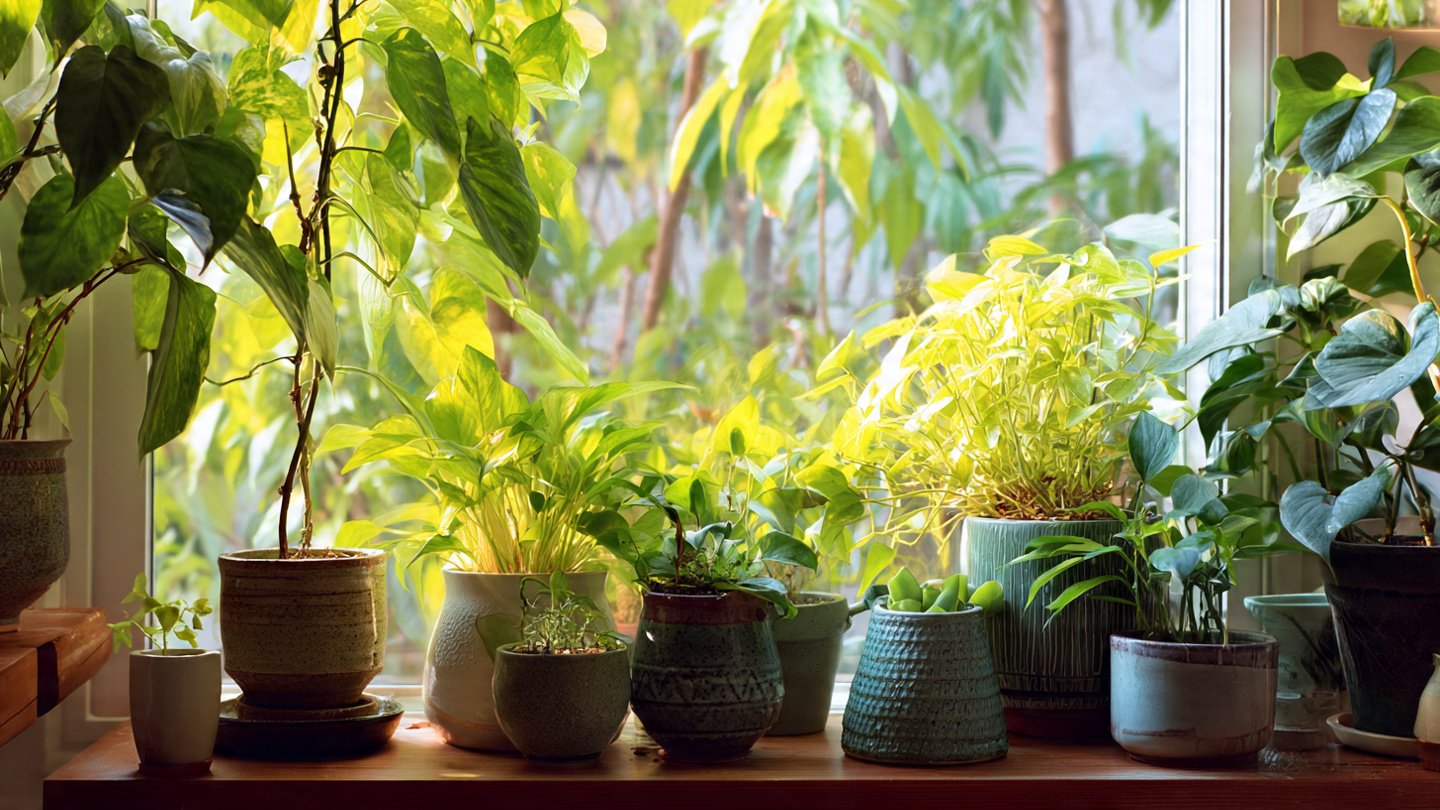
Small leaf houseplants are among the most versatile and attractive options for indoor gardening. Their compact leaves, intricate textures, and subtle beauty can transform any living space into a lush, calming indoor oasis. From delicate ferns and peperomias to miniature fittonias and pileas, these plants thrive in homes, apartments, and offices, making them perfect for gardeners with limited space. However, growing small leaf houseplants successfully requires understanding their unique needs, including light, watering, soil, humidity, and care practices. This guide provides a comprehensive approach to achieving a lush indoor garden filled with thriving small leaf plants.
Why Choose Small Leaf Houseplants?
Small leaf houseplants have several advantages for indoor gardening enthusiasts:
- Space Efficiency: Their compact size makes them perfect for small apartments, desktops, shelves, and windowsills.
- Decorative Appeal: Intricate foliage patterns and textures enhance the aesthetic of any room.
- Air Purification: Many small leaf plants improve indoor air quality by absorbing pollutants and producing oxygen.
- Low Maintenance: Many species are hardy, requiring minimal care while providing a lush, vibrant appearance.
- Versatility: They can be grown individually in pots, combined in terrariums, or displayed in decorative arrangements.
Whether you’re a beginner or a seasoned gardener, small leaf houseplants are ideal for cultivating a visually pleasing and healthy indoor environment.
Selecting the Right Small Leaf Houseplants
Choosing plants suited to your indoor environment is critical for success. Popular small leaf indoor plants include:
- Peperomia: Compact, resilient, and available in various colors and patterns.
- Fittonia (Nerve Plant): Known for colorful veined leaves, ideal for terrariums.
- Pilea Peperomioides (Chinese Money Plant): Small, round leaves, easy to grow.
- Miniature Ferns: Soft, delicate foliage adds lushness and texture.
- Calathea and Maranta Varieties: Tropical plants with patterned leaves that thrive in moderate light.
Select plants that match your light conditions, humidity, and space availability for the best results.
Choosing the Right Containers
The container is more than just a decorative element; it plays a critical role in plant health:
- Size: Small leaf plants prefer pots slightly larger than their root ball. Avoid oversized pots, which can lead to overwatering.
- Material: Ceramic, clay, or plastic pots are all suitable. Clay pots allow better airflow, while plastic retains moisture longer.
- Drainage: Ensure the pot has drainage holes to prevent waterlogging and root rot.
- Style: Choose containers that complement your décor, whether minimalist, rustic, or colorful.
Proper containers support healthy root systems and make care routines easier to manage.
Choosing the Right Soil
Small leaf plants require a lightweight, well-draining soil mix:
- Potting Mix: Use a commercial indoor potting mix or create your own blend with equal parts peat moss, perlite, and vermiculite.
- Moisture Retention: Some plants, like Fittonia or ferns, benefit from soil that retains moisture without becoming soggy.
- Nutrients: Enrich the soil with compost or organic fertilizer for healthy growth.
Well-prepared soil provides the foundation for a lush and vibrant indoor garden.
Light Requirements
Light is one of the most important factors for thriving small leaf houseplants:
- Bright Indirect Light: Most small leaf plants prefer filtered or indirect sunlight. Place them near east- or north-facing windows.
- Avoid Direct Sunlight: Direct sun can scorch leaves and fade colors, especially for delicate plants like nerve plants and ferns.
- Artificial Lighting: If natural light is insufficient, use LED or fluorescent grow lights for 8–12 hours daily.
- Rotation: Rotate pots periodically to ensure even growth and prevent plants from leaning toward the light source.
Proper lighting ensures healthy, vibrant foliage and promotes compact, bushy growth.
Watering Techniques
Small leaf plants are sensitive to both overwatering and underwatering:
- Check Moisture: Allow the top layer of soil to dry slightly between watering. Stick your finger 1–2 inches into the soil to check moisture levels.
- Watering Method: Water evenly around the base of the plant. Avoid wetting the leaves excessively, as this can lead to fungal growth.
- Humidity Needs: Many small leaf plants, such as ferns and Fittonia, thrive in higher humidity. Mist leaves or place a humidity tray nearby to maintain moisture.
- Seasonal Adjustments: Reduce watering during winter when growth slows, and increase slightly during the growing season.
Consistent, careful watering promotes lush, vibrant leaves while preventing root damage.
Fertilization
Small leaf houseplants benefit from periodic feeding to support steady growth:
- Type of Fertilizer: Use a balanced, water-soluble indoor plant fertilizer diluted to half strength.
- Frequency: Feed once a month during spring and summer; reduce feeding in fall and winter.
- Organic Alternatives: Compost tea or liquid seaweed extract can provide nutrients without chemicals.
Proper fertilization ensures bright, healthy foliage and encourages bushy, compact growth.
Pruning and Pinching
Pruning is essential for maintaining lush and bushy plants:
- Pinching Tips: Pinch back the tips of young plants to stimulate branching.
- Remove Dead or Yellow Leaves: Improves air circulation and prevents disease.
- Shape Maintenance: Trim plants as needed to maintain the desired form and prevent legginess.
Regular pruning keeps your indoor garden dense, visually appealing, and healthy.
Pest and Disease Management
Small leaf houseplants are generally resilient but can face occasional issues:
Common Pests:
- Aphids and mealybugs can appear on leaves and stems. Wipe off with a damp cloth or use insecticidal soap.
- Spider mites thrive in dry indoor air; increase humidity and spray affected leaves gently.
Common Diseases:
- Root rot from overwatering; ensure proper drainage.
- Fungal leaf spots from high humidity; maintain airflow and avoid water on foliage.
Early detection and preventive care keep your plants healthy and thriving.
Propagation Techniques
Many small leaf plants are easy to propagate:
- Stem Cuttings: Take a small cutting with 2–3 leaves, place in water or moist soil until roots form.
- Division: Some plants, like ferns, can be divided at the root to create new plants.
- Leaf Cuttings: Certain species, like Peperomia, can be propagated from individual leaves.
Propagation allows you to expand your indoor garden or share plants with friends.
Tips for a Lush Indoor Garden
- Group Plants: Cluster small leaf plants together to create microclimates and higher humidity.
- Rotate Plants: Rotate pots regularly to ensure even light exposure.
- Regular Cleaning: Wipe leaves to remove dust and allow efficient photosynthesis.
- Use Terrariums: Miniature plants thrive in enclosed glass containers where humidity is maintained.
- Succession Planting: Introduce new plants periodically to maintain a fresh, lively indoor garden.
By combining these strategies, you can create a thriving, lush indoor environment filled with vibrant small leaf houseplants.
Final Thoughts
Growing small leaf houseplants indoors is both rewarding and aesthetically pleasing. With careful selection of plants, proper containers, well-draining soil, consistent watering, and adequate light, even beginners can achieve a lush, healthy indoor garden. Routine pruning, occasional fertilization, pest management, and propagation further enhance plant growth and ensure continuous vibrancy.
Whether you live in an apartment, office, or house with limited outdoor space, small leaf houseplants offer a compact, colorful, and relaxing way to bring greenery into your life. With attention to detail and consistent care, your indoor garden can flourish, transforming your space into a serene, natural retreat.