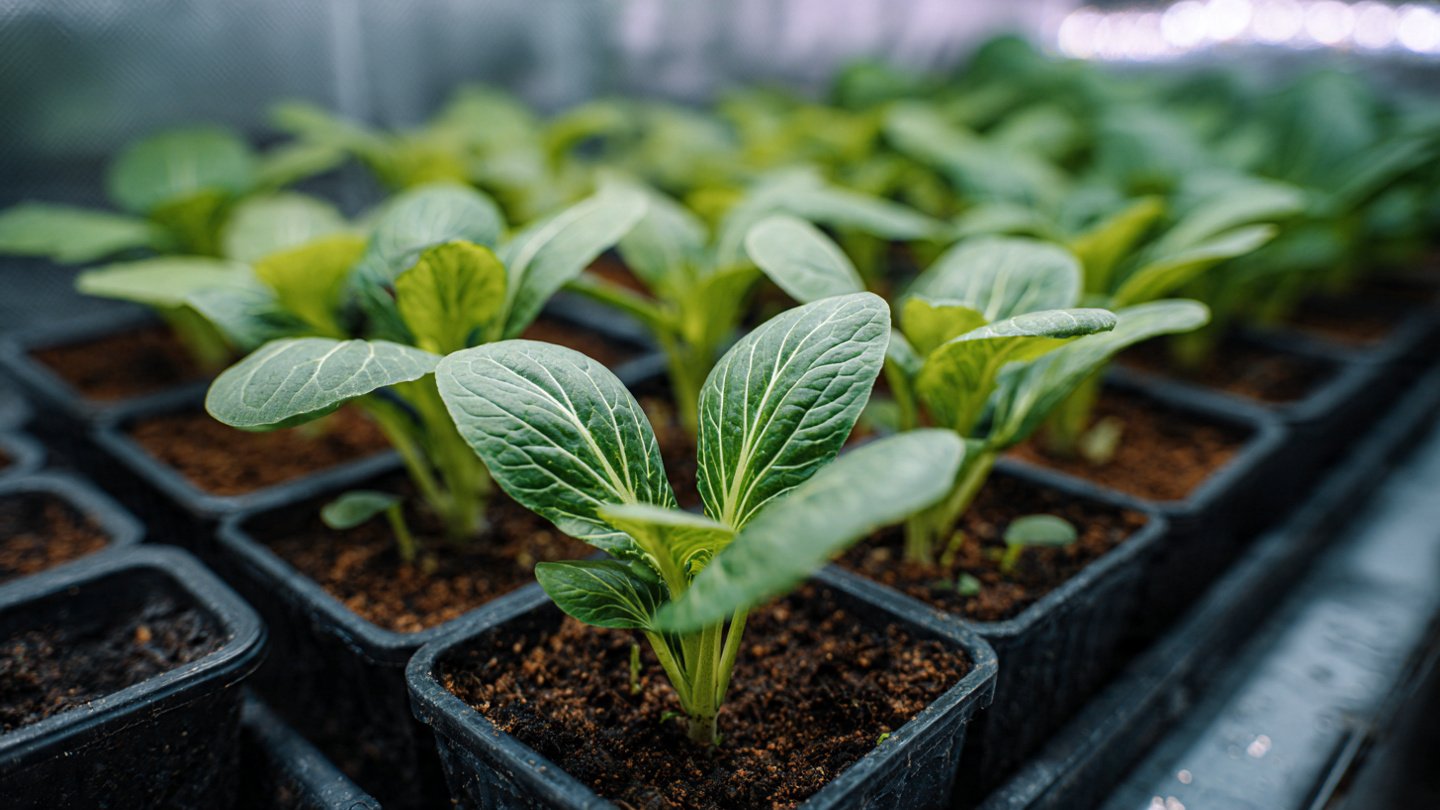
Pak Choi, also known as Bok Choy, is a leafy green vegetable widely cherished for its crisp stems, tender leaves, and mild, slightly peppery flavor. It is a staple in Asian cuisine and an increasingly popular choice for salads, stir-fries, and soups. While traditionally grown in garden beds, Pak Choi is ideally suited for indoor cultivation, allowing gardeners to enjoy year-round harvests regardless of outdoor weather conditions. With the right techniques, even beginners can produce fresh, nutritious leaves consistently in small indoor spaces. This guide provides detailed methods to successfully grow Pak Choi indoors and maximize your harvests throughout the year.
Why Grow Pak Choi Indoors?
Indoor cultivation offers several benefits over traditional outdoor gardening:
- Year-Round Availability: Grow Pak Choi regardless of season or climate.
- Space Efficiency: Ideal for apartments, kitchens, or small indoor gardens.
- Controlled Environment: Reduce pest infestations, diseases, and harsh weather impacts.
- Fresher Leaves: Harvest directly from your indoor garden for maximum freshness and nutrition.
- Faster Growth: Indoor conditions can be optimized for continuous, rapid growth.
Indoor gardening makes Pak Choi accessible, convenient, and productive for any home cook.
Choosing the Right Container
Pak Choi grows well in shallow but wide containers, making it suitable for indoor setups:
- Depth: 6–8 inches of soil is sufficient, as Pak Choi has relatively shallow roots.
- Width: Wider containers allow multiple plants, maximizing space efficiency.
- Material: Plastic, ceramic, or fabric grow bags work well; ensure they are sturdy and lightweight.
- Drainage: Ensure containers have drainage holes to prevent waterlogging and root rot.
Selecting the right container is the first step toward successful indoor cultivation.
Selecting Pak Choi Varieties
Choose the right variety for indoor gardening to ensure high productivity and manageable growth:
- Baby Bok Choy Varieties: Compact and fast-growing, perfect for small spaces.
- Shanghai Pak Choi: Tender, mild flavor and ideal for continuous harvesting.
- Jo Jo or Mei Qing Choi: Dwarf varieties suitable for container and indoor cultivation.
Selecting compact, fast-growing varieties ensures efficient indoor growing and year-round harvests.
Preparing the Soil
Pak Choi prefers well-draining, nutrient-rich soil for optimal growth:
- Mix 50% potting soil, 30% compost or well-rotted organic matter, and 20% perlite or sand for aeration.
- Ensure the soil is loose to allow proper root development and moisture retention.
- Maintain a slightly acidic to neutral pH of 6.0–7.0.
Healthy soil promotes faster growth, larger leaves, and higher yields.
Planting Pak Choi Indoors
Pak Choi can be grown from seeds or seedlings:
Step 1: Seed Sowing
- Sow seeds directly into the container about ¼–½ inch deep, spacing seeds 2–3 inches apart.
- Keep the soil consistently moist but not waterlogged.
- Germination occurs within 5–10 days.
Step 2: Thinning Seedlings
- Once seedlings develop 2 true leaves, thin them to 6–8 inches apart to allow adequate space for growth.
- Thinning prevents overcrowding, reduces competition for nutrients, and improves airflow.
Step 3: Using Seedlings
- Alternatively, transplant seedlings grown in a tray into larger containers for faster results.
- Handle the root ball carefully to minimize transplant shock.
Proper planting ensures strong establishment and healthy leaf development.
Providing Adequate Light
Light is essential for indoor Pak Choi growth:
- Natural Sunlight: Place containers near a south-facing window for at least 4–6 hours of indirect sunlight daily.
- Artificial Lighting: Use LED or fluorescent grow lights for 12–14 hours per day if natural light is insufficient.
- Rotate containers occasionally for uniform growth and prevent leggy stems.
Adequate lighting enhances leaf color, flavor, and overall plant health.
Watering and Moisture Management
Pak Choi grows best with consistent moisture:
- Water whenever the top inch of soil feels dry.
- Keep the soil evenly moist but avoid overwatering, which can lead to root rot.
- Mulch lightly with organic material to retain moisture and regulate soil temperature.
Maintaining proper hydration ensures fast growth, tender leaves, and continuous harvests.
Fertilization for Maximum Yield
Regular feeding is essential for year-round indoor Pak Choi:
- Use a balanced liquid fertilizer every 2–3 weeks.
- Incorporate organic fertilizers like compost tea or diluted fish emulsion for nutrient enrichment.
- Avoid excessive nitrogen, which can lead to overly leafy growth with reduced flavor.
Proper nutrition encourages strong, crisp stems and flavorful leaves.
Harvesting Pak Choi
Harvesting Pak Choi correctly allows continuous production:
- Baby Leaves: Can be harvested in 3–4 weeks, perfect for salads and quick stir-fries.
- Mature Leaves: Typically ready in 6–8 weeks, offering fuller flavor and size.
- Cut-and-Come-Again Method: Snip outer leaves while leaving the central growing point intact for continuous harvest.
Regular harvesting prevents bolting and encourages fresh growth throughout the year.
Pest and Disease Management
Indoor Pak Choi cultivation reduces many outdoor risks but still requires vigilance:
- Common Pests: Aphids, whiteflies, and spider mites can occasionally appear. Use neem oil, insecticidal soap, or introduce natural predators.
- Fungal Issues: Powdery mildew can occur if air circulation is poor. Avoid overhead watering and ensure adequate spacing.
- Preventive Measures: Inspect plants regularly and remove any damaged or diseased leaves immediately.
Early intervention helps maintain healthy, productive plants.
Easy Hacks for Year-Round Indoor Success
- Succession Planting: Sow new seeds every 2–3 weeks to maintain continuous harvests.
- Temperature Control: Pak Choi thrives in 60–75°F (15–24°C); use indoor heaters or fans to regulate temperature.
- Container Rotation: Move containers to follow sunlight or supplement with artificial lighting.
- Companion Plants: Grow herbs like cilantro or basil nearby to maximize space and improve airflow.
- Soil Refreshing: Replace topsoil or add compost every 4–6 weeks to maintain nutrient levels.
These hacks optimize indoor conditions, ensuring consistent growth and abundant harvests.
Advantages of Growing Pak Choi Indoors
- Freshness: Enjoy crisp, tender leaves at the peak of flavor.
- Convenience: Harvest anytime without going outside.
- Pest Reduction: Controlled environment reduces damage from insects and disease.
- Space-Saving: Ideal for urban apartments or small kitchens.
- Continuous Production: Cut-and-come-again methods allow year-round yields.
Indoor cultivation makes Pak Choi accessible, convenient, and highly productive.
Conclusion
Mastering the indoor cultivation of Pak Choi opens the door to fresh, nutritious, and flavorful greens throughout the year. By choosing compact varieties, preparing nutrient-rich soil, providing sufficient light, maintaining consistent watering, and following regular harvesting practices, gardeners can enjoy an abundant supply of tender leaves regardless of outdoor conditions. Simple hacks such as succession planting, temperature control, and container rotation maximize yield and minimize issues.
Indoor Pak Choi gardening is not only practical but also rewarding, transforming small spaces into a productive green oasis. With attention to detail, patience, and these expert tips, anyone can successfully grow Pak Choi indoors and reap the benefits of year-round harvests of fresh, crisp, and flavorful greens.