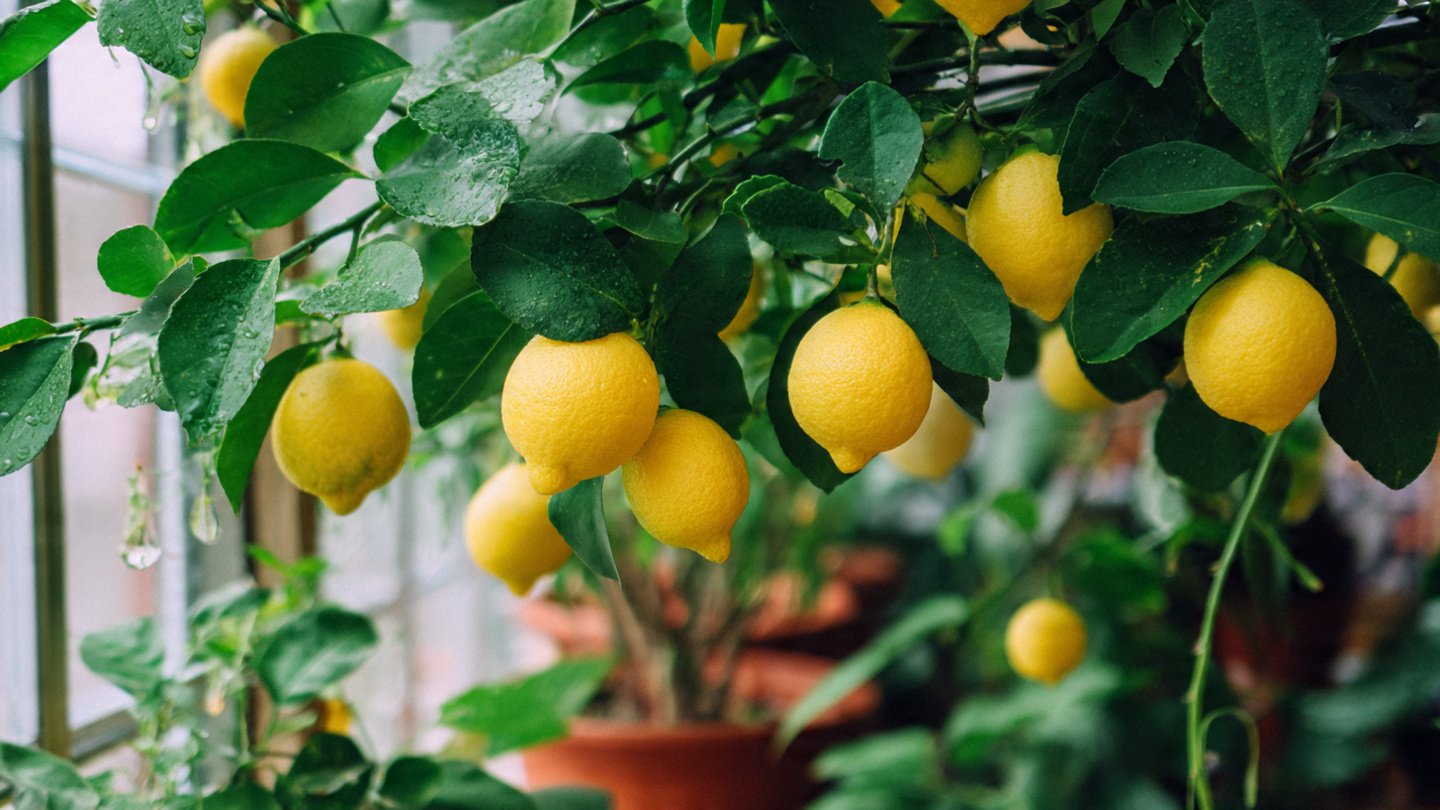
Indoor citrus gardening is a delightful way to bring vibrant greenery, fragrant blossoms, and even fresh fruit into your home. From lemons and limes to oranges and mandarins, citrus plants not only enhance indoor air quality but also infuse your living space with their bright, zesty aromas. While growing citrus indoors may seem challenging, with the right care techniques, proper lighting, watering, and feeding, you can cultivate a healthy, thriving indoor citrus garden year-round.
This complete guide will walk you through selecting the right varieties, understanding indoor conditions, and mastering watering, fertilizing, pruning, and pest management for optimal growth and fruit production.
Why Grow Citrus Indoors?
Indoor citrus gardening offers several benefits:
- Fresh Produce Year-Round: Enjoy fresh, aromatic fruits straight from your own plants, perfect for cooking, cocktails, or desserts.
- Air Purification: Citrus plants help improve indoor air quality by absorbing carbon dioxide and releasing oxygen.
- Decorative Appeal: Their glossy green leaves, fragrant flowers, and colorful fruits make citrus plants beautiful living decor.
- Therapeutic Gardening: Caring for indoor citrus can be a relaxing, rewarding hobby.
- Compact and Adaptable: Dwarf varieties thrive in containers and can grow successfully on patios, balconies, or near windows.
Indoor citrus gardens combine beauty, productivity, and a touch of nature in any living space.
Step 1: Choosing the Right Citrus Varieties
Selecting varieties suited to indoor cultivation is key to success. Dwarf or container-friendly types are ideal:
- Meyer Lemon: Sweet, juicy fruits with high fragrance; highly suitable for containers.
- Calamondin Orange: Compact, ornamental, and prolific flowering.
- Kumquat: Small, edible fruits with vibrant color and high decorative value.
- Key Lime: Thrives in pots and produces small, tangy fruits.
- Dwarf Orange Varieties: Such as ‘Washington Navel’ or ‘Trovita,’ which adapt well to container life.
Choosing container-friendly varieties ensures manageable growth, healthy plants, and abundant fruits indoors.
Step 2: Selecting the Perfect Containers
The right container supports strong root development and healthy growth:
- Size: Start with a 12–14 inch pot for young plants. Mature trees may need 18–24 inch containers.
- Material: Terracotta, ceramic, or high-quality plastic containers work well. Terracotta offers better aeration but dries quickly.
- Drainage: Ensure pots have drainage holes. Citrus roots cannot tolerate waterlogging, which can cause root rot.
- Mobility: Lightweight pots make it easier to move plants closer to sunlight or indoors during winter.
Well-chosen containers create a healthy environment for citrus roots and allow for optimal growth.
Step 3: Choosing the Right Soil
Citrus plants prefer well-draining, slightly acidic soil.
- Soil Mix: Use a commercial citrus potting mix or create your own blend with garden soil, compost, perlite, and sand.
- pH Level: Maintain soil pH around 6.0–6.5 for optimal nutrient absorption.
- Aeration: Ensure soil is light and fluffy to allow oxygen to reach the roots.
Healthy, well-draining soil prevents root diseases and supports consistent growth and fruiting.
Step 4: Providing Adequate Light
Light is critical for indoor citrus health and fruit production:
- Natural Light: Place plants near south- or west-facing windows with 6–8 hours of direct sunlight daily.
- Artificial Light: If natural light is insufficient, use full-spectrum LED grow lights for 10–12 hours daily. Position lights 6–12 inches above the foliage.
- Rotation: Rotate pots every few weeks to ensure even growth and prevent plants from leaning toward the light.
Adequate light encourages healthy foliage, robust flowers, and sweet fruits.
Step 5: Watering and Humidity
Citrus plants are sensitive to both under- and overwatering. Proper water management is crucial:
- Watering: Water deeply when the top 1–2 inches of soil are dry. Ensure excess water drains freely.
- Humidity: Indoor air can be dry, especially in winter. Maintain humidity by misting leaves, using a humidity tray, or placing a small humidifier nearby.
- Consistency: Avoid letting soil completely dry out or remain soggy, as both conditions stress the plant and reduce flowering.
Consistent watering and moderate humidity ensure vigorous growth and minimize leaf drop.
Step 6: Fertilizing Indoor Citrus
Citrus plants are heavy feeders and require regular nutrients for foliage, flowers, and fruits:
- Type: Use a balanced, slow-release fertilizer formulated for citrus, rich in nitrogen, potassium, and magnesium.
- Frequency: Feed every 4–6 weeks during the growing season (spring and summer). Reduce feeding in winter when growth slows.
- Organic Options: Compost tea, fish emulsion, or liquid seaweed extract are effective alternatives.
Proper fertilization promotes robust growth, abundant flowers, and sweet, juicy fruits.
Step 7: Pruning and Shaping
Pruning maintains the plant’s structure, encourages airflow, and enhances fruiting:
- Remove Dead or Damaged Branches: Keep the plant tidy and reduce disease risk.
- Shape the Plant: Trim long shoots to maintain a compact, manageable form.
- Encourage Flowering: Pinch off new growth sparingly to focus energy on flower and fruit development.
Regular pruning improves plant aesthetics and encourages a healthier, more productive indoor citrus garden.
Step 8: Flowering and Pollination
Citrus plants produce fragrant flowers that lead to fruiting. Indoor conditions may require manual pollination:
- Flowering Season: Most indoor citrus bloom in spring or early summer.
- Pollination: Gently transfer pollen from male to female flowers using a soft brush if pollinators are limited indoors.
- Temperature: Maintain day temperatures between 65–75°F (18–24°C) and slightly cooler nights for optimal bloom and fruit set.
Effective pollination ensures successful fruit development even in low-pollinator indoor environments.
Step 9: Pest and Disease Management
Indoor citrus can still face challenges from pests and diseases:
- Common Pests: Aphids, spider mites, scale insects, and whiteflies. Use neem oil, insecticidal soap, or hand-picking to control infestations.
- Diseases: Root rot, sooty mold, and leaf spot can occur in poorly drained or overly humid conditions. Ensure proper drainage and airflow.
- Monitoring: Inspect plants weekly to detect early signs of pests or disease and address problems promptly.
Healthy plants resist stress and produce more foliage, flowers, and fruits.
Step 10: Harvesting Citrus Fruits
Harvest timing ensures peak flavor and sweetness:
- Indicators: Fruits should have full color, firm texture, and emit a fragrant aroma.
- Method: Use pruning shears or twist fruits gently from branches to avoid damaging stems.
- Storage: Store harvested fruits at room temperature or in the refrigerator for extended freshness.
Regular harvesting encourages continued flowering and fruit production in indoor citrus plants.
Additional Tips for a Thriving Indoor Citrus Garden
- Rotate Plants: Move pots periodically to maximize light exposure.
- Repotting: Repot every 2–3 years in slightly larger containers to refresh soil and accommodate growth.
- Temperature Control: Keep indoor temperatures consistent and protect plants from drafts or sudden cold.
- Companion Plants: Plant herbs or other small indoor plants nearby to enhance aesthetics and microclimate.
- Observation: Track growth, flowering, and fruiting to adjust care routines for best results.
Following these tips ensures a sustainable, lush indoor citrus garden year after year.
Final Thoughts
Cultivating an indoor citrus garden is both rewarding and practical, offering fresh fruits, delightful fragrances, and vibrant greenery in your home. By selecting container-friendly varieties, providing optimal light, maintaining consistent watering and feeding, pruning effectively, and managing pests, you can create a thriving citrus oasis indoors.
Indoor citrus gardening is more than a hobby—it’s a way to bring nature, color, and flavor into your living space. With patience, careful attention, and the techniques outlined in this guide, your indoor citrus plants can flourish, providing beautiful foliage, fragrant blossoms, and delicious fruits year-round.
Whether you have a small apartment, a sunny kitchen, or a spacious indoor patio, these methods make indoor citrus gardening accessible, productive, and visually stunning—transforming your home into a lush, fruitful paradise.