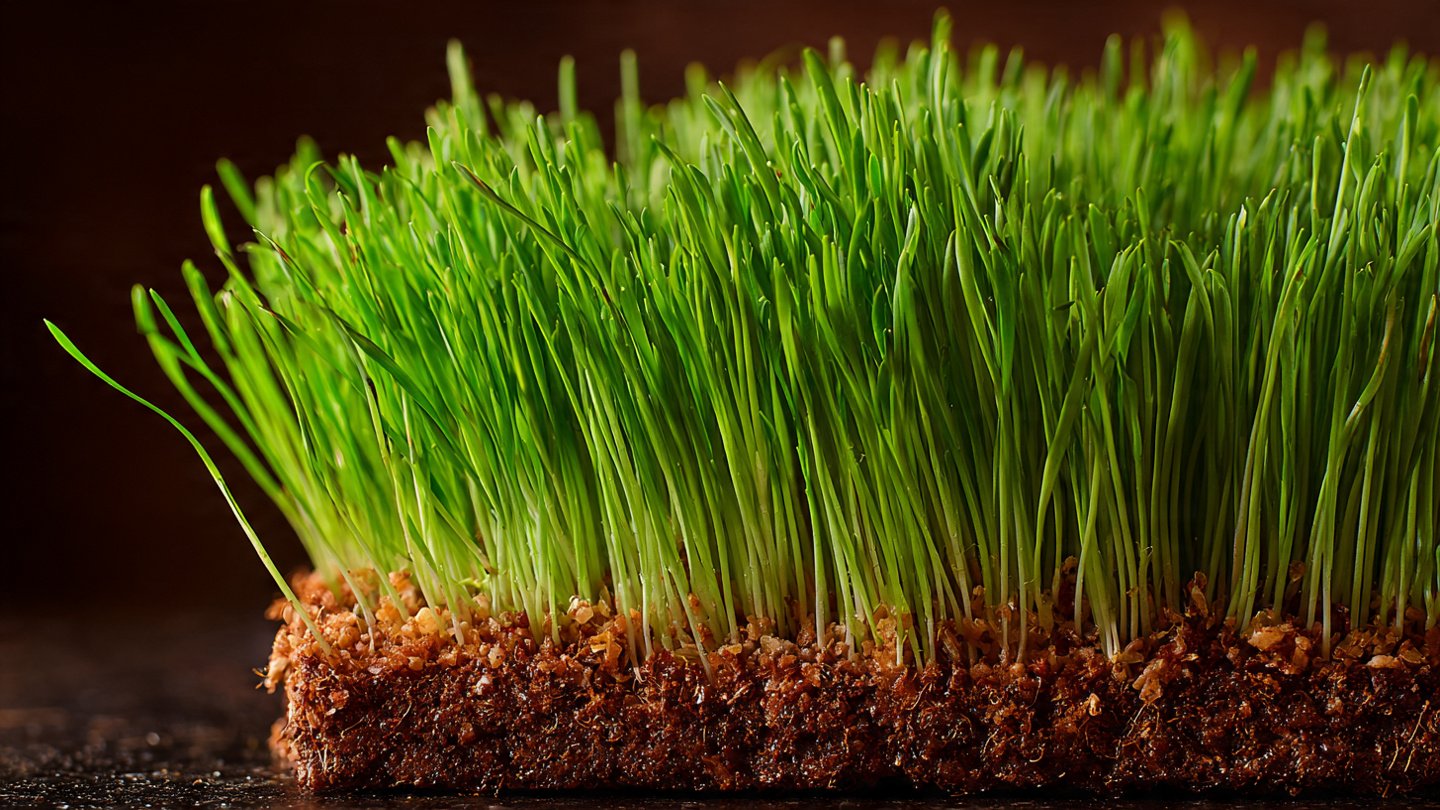
Wheatgrass has become a staple in the world of health and wellness due to its exceptional nutritional profile and vibrant green color. Packed with vitamins, minerals, antioxidants, and chlorophyll, wheatgrass is often consumed as juice or added to smoothies to boost energy, support detoxification, and promote overall well-being. One of the greatest benefits of wheatgrass is how quickly it grows—allowing home gardeners to enjoy fresh, nutrient-dense shoots in just a few days. With the right methods, you can cultivate wheatgrass rapidly and enjoy a continuous supply at home. This guide will walk you through fast-growing techniques, ensuring lush, healthy wheatgrass for juicing or garnishing.
Understanding Wheatgrass and Its Benefits
Wheatgrass is the young sprout of the common wheat plant, Triticum aestivum. When harvested at the right stage, typically around 7–10 days after germination, it is rich in essential nutrients including:
- Vitamins: A, C, E, and several B vitamins
- Minerals: Calcium, magnesium, iron, and potassium
- Chlorophyll: Known for detoxifying properties
- Enzymes and antioxidants: Support digestion and overall immunity
Freshly grown wheatgrass offers the highest nutrient concentration compared to processed powders, making rapid growth techniques valuable for consistent, fresh consumption.
Selecting the Right Seeds
The first step to fast-growing wheatgrass is selecting high-quality seeds. Look for organic wheatgrass seeds specifically labeled for sprouting. Avoid seeds treated with chemicals or intended for animal feed, as they may have been exposed to pesticides and could hinder germination.
Tips for seed selection:
- Organic and untreated: Ensures safe, healthy shoots.
- High germination rate: Check the package for germination percentage; ideally, 90% or higher.
- Fresh seeds: Old seeds may sprout slowly or unevenly.
Some gardeners also experiment with sprouting blends, such as wheatgrass mixed with barley grass or ryegrass, for slightly different flavors and textures. For rapid growth, sticking to pure wheatgrass seeds is usually best.
Pre-Soaking Seeds
Pre-soaking wheatgrass seeds is a critical step for fast germination. Soaking activates the seeds, softening their outer hulls and jump-starting growth.
Step-by-step soaking process:
- Measure the seeds based on your tray size; typically, 1/4 to 1/2 cup per standard tray.
- Rinse seeds thoroughly with clean water.
- Place the seeds in a bowl and cover them with water.
- Soak seeds for 8–12 hours, or overnight, to ensure they are fully hydrated.
- Drain and rinse the seeds thoroughly before planting.
Some gardeners soak for up to 24 hours for particularly hard seeds, but over-soaking can cause rotting. A light rinse every 8–12 hours during soaking can prevent mold growth.
Preparing the Growing Medium
Wheatgrass can be grown in soil or hydroponically, and both methods can yield rapid growth when done correctly.
Soil Method
- Choose a tray: Shallow trays, 1–2 inches deep, work best for wheatgrass.
- Select soil: Use organic, well-draining potting mix with a slightly acidic to neutral pH (6.0–7.0). Avoid heavy garden soil.
- Prepare the tray: Spread 1–2 inches of moistened soil evenly.
- Plant the seeds: Spread seeds evenly over the soil surface. For faster growth, sow seeds densely, but avoid layering them more than 1/4 inch thick.
- Cover lightly: Sprinkle a thin layer of soil or vermiculite to keep seeds moist and promote uniform sprouting.
Hydroponic Method
For even faster growth, hydroponics is highly effective:
- Tray with drainage: Use a shallow tray lined with a growing mat (such as coconut coir or hemp mats).
- Rinse and drain seeds: Place pre-soaked seeds evenly on the mat.
- Water daily: Keep seeds moist using a spray bottle or small amount of water in the bottom tray. Avoid waterlogging.
Hydroponically grown wheatgrass often reaches harvestable height faster than soil-grown plants because roots receive direct access to water and nutrients.
Creating Optimal Growing Conditions
Speedy wheatgrass growth depends on the right environmental conditions.
- Light: Place trays in bright, indirect sunlight. If natural light is limited, use a fluorescent or LED grow light for 12–16 hours daily. Light encourages green, lush shoots.
- Temperature: Wheatgrass grows fastest in temperatures between 60–75°F (15–24°C). Avoid extreme heat, which can stress the seedlings, or cold drafts that slow growth.
- Humidity: Moderate humidity helps keep seeds and sprouts moist. A light mist with water daily ensures seeds do not dry out.
Watering Techniques
Watering correctly is key for quick germination and rapid growth:
- Initial watering: After planting, gently water the seeds so the soil or mat is evenly moist but not soggy.
- Daily watering: For soil trays, water from the bottom by adding water to the tray to allow roots to absorb moisture. Top watering can be done lightly with a spray bottle to avoid dislodging seeds.
- Hydroponic trays: Ensure the mat remains moist; check twice daily and mist as needed.
Consistent moisture accelerates growth, while overwatering can lead to mold or rot, slowing the process.
Encouraging Fast Growth
Several techniques can help wheatgrass grow faster:
- Dense sowing: Plant seeds close together, creating a microclimate that encourages faster sprouting.
- Pre-germination: Sprout seeds in a dark container for 1–2 days before transferring to trays. This jump-starts growth.
- Bottom watering: Encourages strong root development, leading to taller, healthier shoots.
- Air circulation: Gentle airflow prevents mold growth and keeps leaves dry. A small fan on low can help.
Harvesting Wheatgrass Quickly
Wheatgrass reaches peak nutritional value and flavor when it is 6–8 inches tall, typically 7–10 days after planting, depending on growing conditions.
Harvesting steps:
- Use clean, sharp scissors or a knife.
- Cut wheatgrass just above the base, leaving the roots in the tray for potential regrowth.
- Rinse harvested wheatgrass lightly to remove soil or debris.
- Consume immediately or store briefly in the refrigerator for up to 2–3 days. Fresh juice retains the highest concentration of nutrients.
Some growers practice multiple harvests by allowing roots to regrow for 2–3 days before a second cut, maximizing yield from a single planting.
Preventing Common Problems
Even in fast-growing setups, issues can arise:
- Mold growth: Caused by excess moisture or poor air circulation. Solution: Ensure proper drainage, mist lightly, and use airflow.
- Yellowing leaves: Can indicate insufficient light or overwatering. Solution: Adjust light exposure and watering frequency.
- Slow growth: Could be due to old seeds, low temperature, or inadequate moisture. Solution: Use fresh seeds, maintain optimal temperature, and keep the growing medium consistently moist.
Additional Tips for Fast Wheatgrass Production
- Succession planting: Plant a new tray every 3–4 days to ensure a continuous supply of fresh wheatgrass.
- Juicing: Juice wheatgrass immediately after harvest to retain maximum nutrients.
- Experiment with containers: Shallow trays, repurposed seed trays, or even small pots work well for indoor setups.
- Nutrient boost: For hydroponic trays, a mild, organic nutrient solution can support faster, denser growth.
Conclusion
Growing wheatgrass fast is entirely achievable with the right techniques. From selecting high-quality seeds and pre-soaking them to providing optimal light, moisture, and temperature, each step contributes to rapid, lush growth. Whether using soil or hydroponic methods, consistent care and proper harvesting ensure a continuous supply of nutrient-rich wheatgrass for juicing, smoothies, or garnishing meals.
By implementing these quick-growing strategies, even beginners can enjoy fresh, homegrown wheatgrass in as little as a week. With a few trays on a sunny windowsill or under a grow light, you can cultivate a sustainable and quick-growing crop that enhances both your diet and your well-being.
Fresh, vibrant wheatgrass is not just a superfood—it’s a testament to how simple it can be to bring health and vitality from your home garden to your daily life.