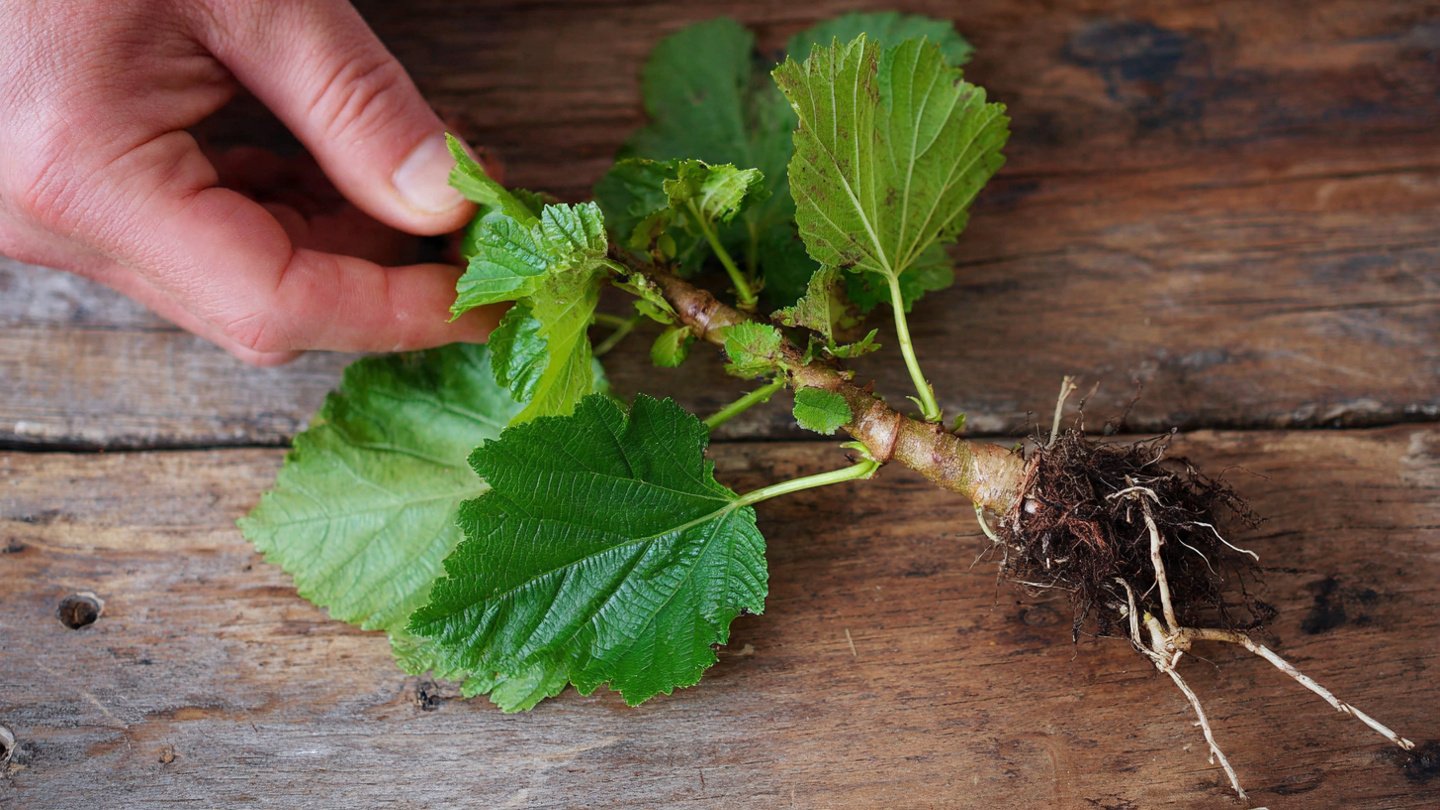
Mulberry trees (Morus species) are cherished for their delicious fruits, rapid growth, and ability to thrive in a variety of climates. Whether you want to enjoy fresh mulberries in your backyard, cultivate trees for shade, or grow them for commercial purposes, propagating mulberry plants is an effective way to expand your garden. While mulberries can be grown from seeds, hardwood stem cuttings are a preferred method for many gardeners. This technique preserves the characteristics of the parent plant, ensures faster fruiting, and is generally more reliable than seed propagation.
In this comprehensive guide, we’ll explore the best practices for successfully propagating mulberry plants from hardwood stem cuttings, including preparation, planting, care, and troubleshooting common problems.
Understanding Hardwood Cuttings
Hardwood cuttings are taken from mature, dormant stems of the parent plant during late autumn or winter when the plant is not actively growing. Unlike softwood or semi-hardwood cuttings taken during the growing season, hardwood cuttings are firm, woody, and more resilient.
Using hardwood cuttings has several advantages:
- Genetic consistency: The new plants are clones of the parent tree, maintaining the same fruit quality, leaf shape, and growth habit.
- Reduced disease risk: Mature wood is less susceptible to diseases than softer, younger growth.
- Ease of storage: Hardwood cuttings can be stored for short periods before planting without losing viability.
Selecting the Right Mulberry Branches
Choosing the right stems is critical for successful propagation. Here’s what to look for:
- Maturity: Select healthy, mature stems that are one-year-old or slightly older. Avoid using overly old wood, as it may root poorly.
- Diameter: Stems should be about 0.5 to 1 inch thick. Thin twigs may not survive, while overly thick stems are slow to root.
- Health: Choose disease-free stems with no signs of damage, decay, or pest infestation. Healthy bark is firm and smooth without cracks or discoloration.
- Dormancy: Take cuttings during the dormant season when the tree has shed its leaves. This minimizes stress on the plant and improves rooting success.
Preparing Hardwood Cuttings
Proper preparation of hardwood cuttings is essential to encourage root development and prevent rotting. Follow these steps:
- Cutting Length: Cut stems into 8–12 inch sections. Each cutting should have at least 3–5 buds, which will develop into new shoots.
- Cutting Technique: Make a straight, clean cut at the bottom just below a bud, and a slanted cut at the top above a bud. This allows the cutting to be easily identified and planted correctly.
- Remove Leaves and Side Shoots: If there are any remaining leaves or side shoots, remove them to prevent excessive water loss and focus energy on root formation.
- Optional Rooting Hormone: Dip the bottom inch of the cutting in rooting hormone powder or gel. This encourages faster root development and improves the success rate, especially in mulberries that are slow to root naturally.
Choosing a Planting Medium
Hardwood cuttings need a well-draining medium to prevent waterlogging and root rot. Suitable media include:
- A mix of equal parts sand and peat moss
- Perlite and vermiculite mix
- Clean garden soil enriched with organic matter
Fill pots, trays, or prepared beds with the chosen medium, ensuring good drainage and aeration. Pre-moistening the medium is helpful but avoid soggy soil, which can encourage fungal growth.
Planting Hardwood Cuttings
Once cuttings are prepared, it’s time to plant them:
- Planting Depth: Insert the cuttings into the soil at a depth of 4–6 inches, burying at least two-thirds of the cutting to provide stability.
- Spacing: Space cuttings about 6–12 inches apart to ensure airflow and reduce competition.
- Orientation: Plant cuttings upright with the bottom (the cut just below a bud) in the soil and the top (slanted cut) above the soil.
- Watering: Water the cuttings gently but thoroughly after planting to settle the soil and remove air pockets.
If planting directly outdoors, choose a sheltered location with partial sunlight and protection from strong winds. For indoor or greenhouse propagation, maintain a stable temperature of around 65–75°F (18–24°C).
Caring for Mulberry Cuttings
Successful propagation requires careful attention during the rooting phase. Here are essential care tips:
- Watering: Keep the soil consistently moist but not waterlogged. Hardwood cuttings don’t require frequent watering like softwood cuttings but must not dry out completely.
- Humidity: Mulberries are hardy, but maintaining moderate humidity helps prevent excessive stress. If indoors, mist occasionally or use a humidity dome.
- Temperature: Avoid extreme temperatures. Protect cuttings from frost in winter and from direct scorching sun in warmer climates.
- Patience: Rooting may take several weeks to months depending on the variety and environmental conditions. Avoid disturbing the cuttings during this time.
Monitoring Root Development
Checking for root growth is a delicate task. Signs that your hardwood cuttings are rooting include:
- New leaf buds emerging at the top of the cutting
- Slight resistance when gently tugged (indicating root formation below)
- Healthy green color at the bud tips
Avoid pulling cuttings too early, as premature disturbance can damage fragile roots. A safe timeframe to test roots is usually 6–12 weeks after planting.
Transplanting Rooted Cuttings
Once cuttings have developed a healthy root system, they can be transplanted into larger pots or directly into the garden:
- Choose the Right Location: Select a well-drained, sunny location with fertile soil. Mulberries thrive in full sun but can tolerate partial shade.
- Acclimate Gradually: If the cuttings were rooted indoors or in a greenhouse, gradually expose them to outdoor conditions over 1–2 weeks to reduce shock.
- Planting Depth: Dig a hole slightly larger than the root ball and plant the cutting at the same depth it was growing in the propagation medium.
- Watering: Water thoroughly after transplanting and continue to monitor soil moisture regularly for the first few weeks.
Common Problems and Solutions
Even with careful attention, propagation can sometimes be challenging. Common issues include:
- Cutting Rot: Often caused by overly wet soil. Ensure well-draining soil and avoid excessive watering.
- Slow or No Rooting: Using younger or poorly dormant wood can result in delayed rooting. Try using rooting hormone and ensure proper environmental conditions.
- Pests and Disease: While less common in dormant cuttings, fungal infections can occur. Treat soil and cuttings with a mild fungicide if necessary.
Tips for Maximizing Success
- Use fresh, healthy cuttings from vigorous parent trees.
- Avoid planting in extreme weather; early winter or late fall is ideal.
- Keep records of varieties and propagation dates for better tracking.
- Be patient—hardwood cuttings take time but reward you with genetically identical, strong plants.
- Experiment with small batches first before propagating larger quantities.
Advantages of Hardwood Cutting Propagation
Propagating mulberries from hardwood cuttings offers several advantages over other methods:
- Faster Fruiting: Compared to seed-grown trees, cuttings produce fruit earlier, often within 2–3 years.
- True-to-Type Plants: Maintains the parent tree’s desirable traits.
- Economical: A single healthy tree can yield multiple cuttings for expanding your orchard at minimal cost.
- Low Maintenance: Requires little specialized equipment and is accessible for home gardeners.
Conclusion
Hardwood stem cutting propagation is a reliable and rewarding way to multiply mulberry plants at home. By carefully selecting healthy stems, preparing them properly, planting in suitable media, and providing consistent care, you can achieve a high success rate and enjoy new trees that are true clones of your parent plants. While the process requires patience, the payoff is well worth it—healthy mulberry trees that bear fruit, enhance your garden, and potentially provide plants to share with friends or expand your orchard.
With the right techniques, attention to detail, and a bit of nurturing, anyone can propagate mulberry trees successfully. Whether for personal enjoyment or larger-scale planting, hardwood cutting propagation is an efficient, cost-effective, and satisfying method to cultivate these fruitful trees from your existing stock.