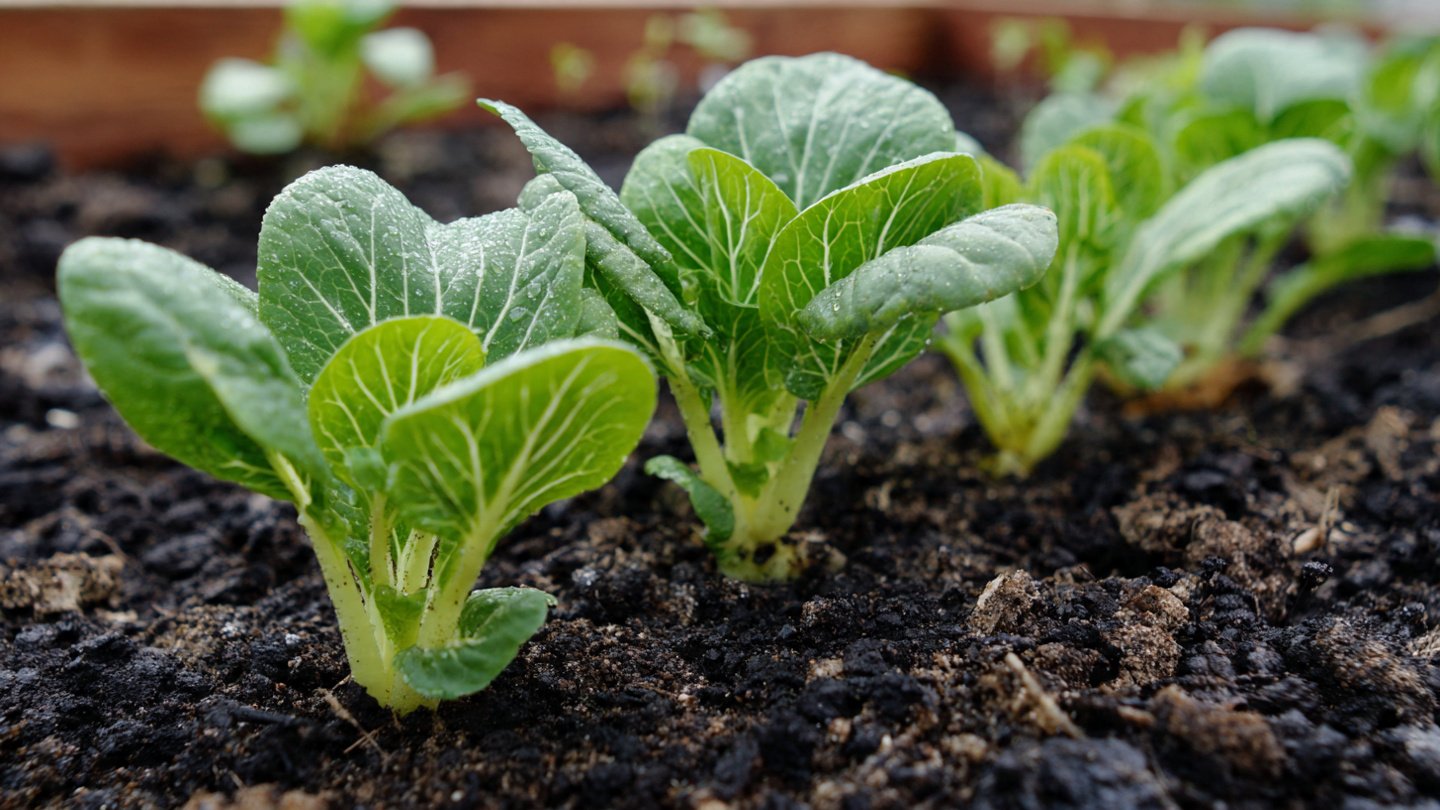
Baby bok choy, a compact and tender variety of the popular Chinese cabbage (Brassica rapa), is a favorite among home gardeners and culinary enthusiasts. With its crisp, pale green stalks and delicate dark green leaves, it is a versatile ingredient in stir-fries, soups, salads, and even smoothies. Beyond its delicious flavor, baby bok choy is nutrient-rich, packed with vitamins A, C, K, calcium, and antioxidants, making it a healthy addition to any diet. Growing baby bok choy in your own garden is not only satisfying but also ensures a continuous supply of fresh, flavorful greens. In this comprehensive guide, we’ll explore the best methods to grow baby bok choy for a thriving garden, step by step.
Step 1: Understanding Baby Bok Choy and Its Growing Requirements
Before planting, it’s essential to understand the plant’s needs and growth habits. Baby bok choy is a cool-season crop that thrives in temperatures between 55–70°F (13–21°C). While it can tolerate mild frost, it struggles in extreme heat, which can cause the plant to bolt (flower prematurely) and become bitter.
Key growing requirements include:
- Sunlight: Full sun is ideal, but partial shade is acceptable, especially in warmer climates.
- Soil: Fertile, well-draining soil with a pH between 6.0 and 7.5.
- Water: Consistent moisture is crucial for tender leaves. Avoid letting the soil dry out.
- Space: Baby bok choy forms tight heads or clusters; proper spacing ensures healthy growth.
Understanding these requirements sets the stage for a successful and productive garden.
Step 2: Selecting Seeds and Varieties
Choosing the right seeds is crucial for a thriving baby bok choy crop. Popular varieties include:
- ‘Mei Qing Choi’: Early-maturing, compact, and tender.
- ‘Shanghai Green’: Smooth, thick stalks and fast-growing, ideal for small spaces.
- ‘Joi Choi’: Heat-tolerant and resistant to bolting, suitable for warmer climates.
When selecting seeds, choose high-quality, fresh seeds from reputable sources. Organic seeds are preferable if you want to grow pesticide-free vegetables.
Step 3: Preparing the Soil and Garden Bed
Healthy soil is the foundation of a thriving baby bok choy garden. Follow these steps:
- Choose a location: Select a spot with full sun to partial shade and good air circulation.
- Amend the soil: Incorporate organic compost or well-rotted manure to enrich the soil with nutrients.
- Test the pH: Aim for slightly acidic to neutral soil (6.0–7.5). Adjust with lime or sulfur if necessary.
- Loosen the soil: Baby bok choy prefers loose, friable soil for root development. Avoid compacted or clay-heavy areas.
A well-prepared garden bed ensures rapid growth, tender leaves, and robust flavor.
Step 4: Sowing Seeds
Sowing seeds correctly promotes strong germination and healthy seedlings:
- Timing: Sow seeds in early spring or late summer to avoid hot temperatures. Baby bok choy grows quickly, often ready to harvest in 30–45 days.
- Planting depth: Sow seeds ¼–½ inch deep in rows or raised beds.
- Spacing: Space seeds 1–2 inches apart in rows 12–18 inches apart. This prevents overcrowding and ensures airflow.
- Watering: Keep soil consistently moist during germination. A gentle spray or light watering works best.
- Germination time: Seeds typically sprout within 5–10 days, depending on temperature and moisture.
Thin seedlings to 4–6 inches apart once they develop their first true leaves. This spacing allows room for heads to form without competition.
Step 5: Caring for Baby Bok Choy
Proper care ensures rapid growth and healthy leaves:
- Watering: Keep soil evenly moist; water deeply to encourage strong roots. Drip irrigation or soaker hoses work well in larger gardens.
- Mulching: Apply straw or organic mulch to retain moisture, suppress weeds, and regulate soil temperature.
- Fertilization: Feed plants every 2–3 weeks with a balanced liquid fertilizer or side-dress with compost. Avoid excessive nitrogen, which can encourage leaf growth but reduce flavor.
- Pest management: Watch for cabbage worms, aphids, and flea beetles. Use organic sprays like neem oil or insecticidal soap, or introduce beneficial insects like ladybugs.
- Disease prevention: Rotate crops annually to reduce soil-borne diseases. Avoid overhead watering to minimize fungal infections.
Consistent care during the growing season prevents common issues and promotes tender, flavorful leaves.
Step 6: Encouraging Continuous Growth
Baby bok choy is ideal for succession planting, which ensures a continuous harvest:
- Stagger planting: Sow new seeds every 2–3 weeks to maintain a steady supply of fresh greens.
- Cut-and-come-again method: Harvest outer leaves as needed, leaving the central bud intact. This encourages regrowth for multiple harvests.
- Monitor temperature: Baby bok choy may bolt in hot weather. Plant in partial shade or use shade cloth during peak summer to prevent premature flowering.
By practicing succession planting and selective harvesting, you can enjoy fresh baby bok choy for several months.
Step 7: Harvesting Baby Bok Choy
Harvesting at the right time ensures the best flavor and texture:
- Maturity: Baby bok choy is ready to harvest when heads reach 6–8 inches in height or when leaves are tender and bright green.
- Method: Cut the entire plant at the base for a full harvest, or pick outer leaves selectively for ongoing growth.
- Frequency: Regular harvesting encourages continuous production and prevents plants from becoming tough or bitter.
Freshly harvested baby bok choy can be eaten raw, steamed, sautéed, or added to soups and stir-fries.
Step 8: Companion Planting for a Thriving Garden
Baby bok choy benefits from strategic companion planting:
- Marigolds: Repel pests like aphids and cabbage worms.
- Herbs: Dill, cilantro, and mint can deter pests and attract pollinators.
- Other vegetables: Plant alongside lettuce, spinach, or radishes to maximize garden space and reduce pest pressure.
Companion planting creates a balanced ecosystem, reducing the need for chemical interventions and promoting overall garden health.
Step 9: Managing Challenges
Even with careful planning, gardeners may encounter challenges:
- Bolting: Caused by high temperatures or stress. Prevent by planting in cooler weather and providing consistent moisture.
- Pests: Aphids, flea beetles, and cabbage loopers are common. Early detection and organic control methods prevent damage.
- Leaf yellowing: Often due to nutrient deficiencies or overwatering. Adjust fertilizer and watering practices as needed.
- Crowding: Overcrowded plants are more prone to disease. Thin seedlings and maintain proper spacing.
Addressing these issues promptly ensures a healthy, productive garden.
Step 10: Extending the Growing Season
With a few strategies, you can grow baby bok choy beyond the typical spring and fall seasons:
- Row covers: Protect plants from frost in early spring or late fall.
- Container gardening: Grow in pots indoors or on a balcony to extend the season in colder climates.
- Shade cloth: Use during hot summer months to prevent bolting and maintain tenderness.
- Succession planting: Continuous sowing ensures harvests even when early crops mature.
Extending the growing season maximizes the yield and provides a consistent supply of fresh greens year-round.
Step 11: Health and Culinary Benefits
Growing baby bok choy at home allows you to enjoy its numerous nutritional and culinary advantages:
- Rich in nutrients: Packed with vitamins A, C, and K, calcium, and antioxidants.
- Supports digestion: High fiber content aids digestion and promotes gut health.
- Low in calories: Ideal for healthy, low-calorie meals.
- Versatile in cooking: Suitable for stir-fries, soups, salads, or even juicing.
- Freshness and flavor: Homegrown baby bok choy is more tender and flavorful than store-bought varieties.
Having your own supply ensures maximum nutritional benefit and freshness.
Step 12: Tips for a Thriving Baby Bok Choy Garden
- Start early: Plant in early spring or late summer for cool-season growth.
- Monitor soil moisture: Baby bok choy thrives in consistently moist soil, but avoid waterlogging.
- Rotate crops: Prevent soil-borne diseases by rotating with unrelated crops.
- Use organic methods: Fertilizers, compost, and natural pest control methods promote healthy growth without chemicals.
- Observe regularly: Check daily for pests, water needs, and growth progress.
Following these tips maximizes yield, minimizes stress, and ensures a thriving garden.
Conclusion
Baby bok choy is a rewarding, nutritious, and versatile vegetable that can thrive in home gardens with the right care and planning. By understanding its growing requirements, preparing fertile soil, selecting the best seeds, and practicing proper care, gardeners can enjoy a continuous supply of fresh, tender greens. Succession planting, companion planting, and proper pest management further enhance productivity, ensuring your baby bok choy garden remains healthy and vibrant.
Whether you’re a beginner gardener or an experienced green thumb, growing baby bok choy is both manageable and satisfying. With careful planning, attentive care, and a little patience, you can cultivate a thriving garden of this delicious, nutrient-packed vegetable and enjoy its fresh, flavorful leaves in your kitchen all season long.