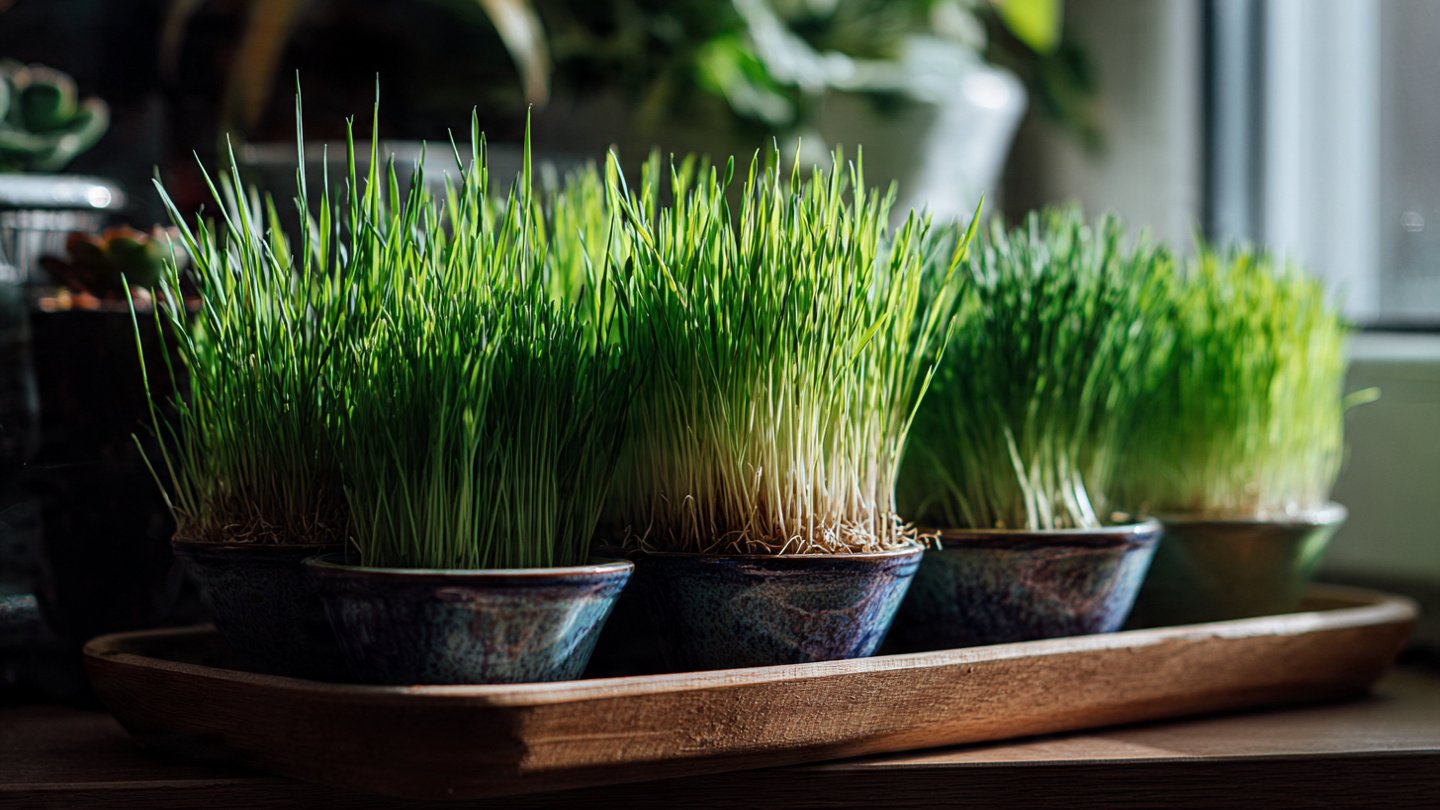
Wheatgrass is a nutritional powerhouse, packed with vitamins, minerals, antioxidants, and chlorophyll that support overall health and well-being. Growing wheatgrass indoors has become increasingly popular for health enthusiasts, as it allows you to enjoy fresh, organic wheatgrass juice year-round, right from your home. Unlike store-bought options, homegrown wheatgrass guarantees maximum potency, freshness, and control over growing conditions.
This comprehensive guide will walk you through the best methods for growing wheatgrass indoors, from selecting quality seeds to harvesting, ensuring optimal health benefits with every shot of juice.
Why Grow Wheatgrass Indoors?
Growing wheatgrass indoors offers several advantages:
- Freshness and Nutrient Retention: Homegrown wheatgrass is harvested at peak nutritional value, preserving vitamins and antioxidants.
- Pesticide-Free: You control what goes into the soil, ensuring your wheatgrass is safe and organic.
- Cost-Effective: Wheatgrass seeds are inexpensive, and a small amount can produce multiple trays of juice.
- Convenient and Year-Round: Indoor growth eliminates dependency on weather or seasons.
- Supports Health: Regular consumption improves digestion, immunity, energy levels, and detoxification.
By cultivating wheatgrass at home, you can enjoy these benefits while maintaining full control over growing conditions.
Step 1: Choosing High-Quality Wheatgrass Seeds
The first step to optimal indoor wheatgrass growth is selecting high-quality seeds.
Tips for Choosing Seeds:
- Purchase certified organic wheatgrass seeds to avoid chemicals.
- Look for seeds that are plump, firm, and free from mold or damage.
- Avoid using regular wheat seeds meant for baking, as they may not sprout effectively.
- Consider sprouting wheat or soft wheat varieties, which tend to produce tender shoots.
Using fresh, viable seeds ensures a high germination rate and stronger, more nutritious wheatgrass.
Step 2: Preparing the Seeds
Proper seed preparation sets the foundation for robust growth:
- Rinse Seeds: Wash seeds thoroughly under cold water to remove dust or debris.
- Soak Seeds: Place seeds in a bowl of water for 8–12 hours. Soaking softens the seed coat and stimulates germination.
- Drain and Rinse: After soaking, drain the water and rinse the seeds again.
- Sprouting: Allow seeds to sprout for 24–48 hours in a dark, warm place. Keep them moist but not waterlogged.
Well-prepared seeds germinate faster and produce healthier, more nutrient-dense wheatgrass.
Step 3: Choosing the Right Indoor Container
The container you use affects growth, drainage, and ease of harvesting:
- Shallow trays (1–2 inches deep) work best for wheatgrass, as roots do not grow very deep.
- Plastic, wooden, or metal trays are suitable, but ensure they are food-safe and have drainage holes.
- Stackable trays are ideal if you want to grow multiple layers of wheatgrass indoors.
The right container ensures proper root development and prevents waterlogging, which can damage sprouts.
Step 4: Selecting the Growing Medium
Wheatgrass grows well in a variety of mediums, including soil and hydroponic methods.
Soil Method:
- Use organic potting soil or seed-starting mix.
- Fill trays with about 1–1.5 inches of soil, lightly tamping it down.
- Spread soaked seeds evenly over the soil surface.
- Cover seeds with a thin layer of soil or a damp paper towel to retain moisture during germination.
Hydroponic Method:
- Use a sprouting mat, coconut coir, or hydroponic trays.
- Place seeds evenly on the mat and keep it consistently moist.
Both methods work well indoors; soil provides more nutrients naturally, while hydroponic setups offer a cleaner, soil-free approach.
Step 5: Lighting for Indoor Wheatgrass
Wheatgrass requires moderate light for healthy growth:
- Place trays near a bright, indirect light source, such as a sunny windowsill.
- Alternatively, use full-spectrum LED grow lights for 10–12 hours daily.
- Avoid direct, harsh sunlight that can dry out the shoots or cause yellowing.
Adequate light ensures wheatgrass remains vibrant green, tender, and packed with chlorophyll.
Step 6: Watering and Moisture Control
Proper watering is essential for optimal growth:
- Keep seeds and sprouts consistently moist, but not soaked.
- Mist the trays 2–3 times daily during germination and early growth.
- Ensure drainage so excess water does not stagnate at the bottom.
Maintaining moisture levels prevents drying out and encourages rapid, uniform growth.
Step 7: Temperature and Environment
Wheatgrass prefers a warm, stable indoor environment:
- Ideal temperature: 18–24°C (65–75°F).
- Avoid cold drafts or extreme heat.
- Maintain moderate humidity to prevent the soil or mat from drying too quickly.
A controlled indoor environment ensures healthy, vibrant wheatgrass throughout the year.
Step 8: Harvesting Wheatgrass
Wheatgrass reaches peak nutrition at 7–10 days after germination, when shoots are about 6–8 inches tall.
Harvesting Tips:
- Use a clean, sharp pair of scissors to cut wheatgrass just above the soil level.
- Do not pull the roots; cutting preserves the growth medium for potential regrowth.
- Harvest regularly to encourage faster regrowth and continuous supply.
Freshly harvested wheatgrass can be juiced immediately for maximum health benefits.
Step 9: Extending Indoor Wheatgrass Growth
- Stagger planting: Sow a new batch of seeds every 7–10 days for continuous harvests.
- Reuse roots for second growth: Some soil-grown wheatgrass may sprout a second crop after initial cutting.
- Keep trays clean: Rinse and sanitize trays between batches to prevent mold or bacterial growth.
These practices help you maintain a consistent supply of fresh wheatgrass year-round.
Step 10: Common Mistakes to Avoid
- Overwatering: Can lead to mold growth and root rot.
- Underwatering: Causes yellow, dry, and stunted shoots.
- Poor lighting: Results in weak, pale wheatgrass with reduced nutritional value.
- Using old or poor-quality seeds: Leads to low germination and thin growth.
- Neglecting tray hygiene: Can encourage mold, fungus, and bacteria.
Avoiding these mistakes ensures a clean, healthy, and productive indoor wheatgrass garden.
Step 11: Health Benefits of Homegrown Wheatgrass
Homegrown wheatgrass is packed with health benefits, including:
- Detoxification: Chlorophyll helps cleanse the liver and bloodstream.
- Boosts Immunity: Vitamins and minerals strengthen the immune system.
- Improves Digestion: Enzymes aid in nutrient absorption and gut health.
- Increases Energy: Fresh juice provides a natural energy boost without caffeine.
- Supports Skin Health: Antioxidants help reduce oxidative stress and improve skin appearance.
Fresh, nutrient-dense wheatgrass grown at home maximizes these benefits.
Conclusion
Growing wheatgrass indoors is a simple, cost-effective way to enhance your diet and improve overall health. By selecting high-quality seeds, preparing a nutrient-rich growing medium, providing adequate light and moisture, and harvesting at the peak of growth, you can enjoy fresh, potent wheatgrass juice year-round.
Whether using soil or hydroponic methods, indoor wheatgrass cultivation requires minimal space, effort, and equipment. With consistent care and attention, your homegrown wheatgrass will be a reliable source of vitamins, minerals, and antioxidants, supporting optimal health for you and your family