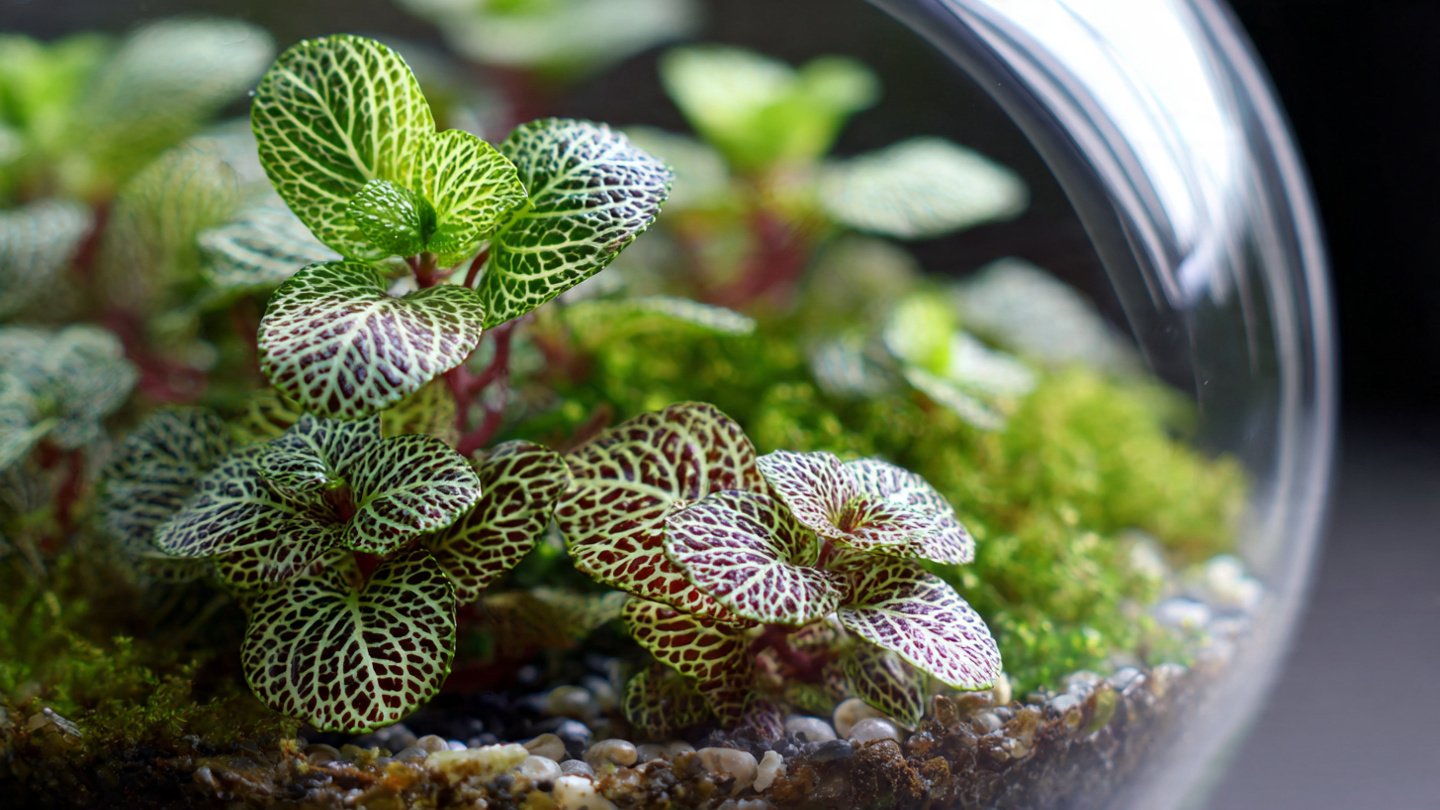
Fittonia, commonly known as the nerve plant, is a strikingly beautiful houseplant admired for its vibrant, veined leaves and compact growth. Perfect for terrariums, Fittonia adds a pop of color and texture to any indoor space. While it may look delicate, with the right care, Fittonia can thrive for years, making it an ideal choice for plant enthusiasts, beginners, and terrarium hobbyists alike. This guide will walk you through how to successfully grow and care for your Fittonia plant, including proper planting, watering, lighting, and maintenance techniques.
Why Choose Fittonia for Your Terrarium?
Fittonia offers multiple benefits that make it a popular choice for indoor gardening:
- Vibrant Appearance: Its leaves display striking vein patterns in shades of white, pink, or red, creating an eye-catching addition to any terrarium.
- Compact Size: Fittonia grows low to the ground, making it ideal for terrariums, small pots, or tabletops.
- Air-Purifying Qualities: Like many houseplants, Fittonia helps improve indoor air quality by absorbing pollutants.
- Low Maintenance: With proper care, this plant can thrive indoors with minimal effort.
- Terrarium-Friendly: Fittonia’s natural preference for humid environments makes it perfect for enclosed terrariums.
A well-cared-for Fittonia plant not only beautifies your home but also contributes to a healthier indoor environment.
Selecting the Right Fittonia Variety
There are several Fittonia varieties, each with unique leaf colors and patterns:
- Fittonia albivenis: Known for its classic green leaves with white veins.
- Fittonia verschaffeltii: Features green leaves with red or pink veins.
- Fittonia ‘Red’: Dark green foliage with striking red veins for bold contrast.
- Fittonia ‘Pink’: Green leaves highlighted with soft pink veins.
Choose a variety based on your aesthetic preference and the color scheme of your terrarium.
Choosing the Right Terrarium
The type of terrarium you use impacts the growth and health of your Fittonia:
- Closed Terrarium: Retains humidity, which Fittonia thrives in, but requires occasional ventilation to prevent mold.
- Open Terrarium: Offers more airflow but may require more frequent watering due to faster evaporation.
- Container Size: Use a container large enough to accommodate growth but small enough to maintain humidity efficiently.
Terrariums can be glass jars, bowls, or decorative containers. Ensure your container is clean and has no cracks to maintain a controlled environment.
Preparing the Terrarium Substrate
Fittonia prefers well-draining, nutrient-rich soil to prevent root rot:
- Drainage Layer: Add 1–2 inches of small stones, pebbles, or activated charcoal at the bottom to prevent waterlogging and odors.
- Moisture-Retentive Layer: Place sphagnum moss or coconut coir on top of the drainage layer to retain humidity.
- Potting Soil: Use a mix of peat, perlite, and vermiculite for aeration and drainage. Avoid heavy garden soil.
Proper substrate preparation ensures healthy roots, prevents mold, and maintains the moisture balance Fittonia requires.
Planting Your Fittonia
- Gently remove the Fittonia plant from its nursery pot.
- Loosen the roots slightly to encourage growth.
- Create a small hole in the prepared substrate, place the plant, and cover roots lightly with soil.
- Pat the soil gently and water lightly to settle the plant.
When planting multiple Fittonia plants in a single terrarium, leave enough space between them to allow for airflow and future growth.
Lighting Requirements
Fittonia thrives in bright, indirect light:
- Indirect sunlight: Place the terrarium near a north-facing or east-facing window. Avoid direct sunlight, which can scorch leaves.
- Artificial light: If natural light is limited, fluorescent or LED grow lights can provide the necessary illumination.
- Low-light tolerance: Fittonia can survive in low-light conditions, but growth may slow, and colors may fade.
Proper lighting ensures vibrant foliage and healthy growth.
Watering and Humidity
Fittonia is sensitive to both underwatering and overwatering:
- Watering Frequency: Keep the soil consistently moist but not soggy. Water when the top layer of soil feels dry.
- Humidity: High humidity is essential. Mist leaves regularly or use a closed terrarium to maintain a humid microenvironment.
- Avoid Standing Water: Ensure excess water drains to prevent root rot.
Maintaining the right balance of moisture and humidity is critical for lush, vibrant leaves.
Fertilizing Your Fittonia
Fittonia is a light feeder and does not require heavy fertilization:
- Liquid Fertilizer: Use a diluted, balanced liquid fertilizer once a month during the growing season (spring and summer).
- Organic Options: Compost tea or diluted fish emulsion works well for terrarium plants.
- Avoid Over-Fertilization: Too much fertilizer can burn the roots and cause leaf damage.
Moderate fertilization promotes healthy foliage without stressing the plant.
Pruning and Maintenance
Pruning encourages bushy growth and prevents legginess:
- Pinching Tips: Regularly pinch the growing tips to encourage branching.
- Remove Dead Leaves: Trim yellowing or wilted leaves to maintain plant health and appearance.
- Control Size: Prune as needed to keep the plant compact within the terrarium.
Routine pruning ensures a dense, attractive plant that thrives in its contained environment.
Common Pests and Diseases
Fittonia is generally hardy but can face occasional pest or disease issues:
- Aphids: Small insects that can be removed with a gentle water spray or neem oil.
- Mealybugs: Remove by hand or use rubbing alcohol on a cotton swab.
- Fungal Issues: Caused by excess moisture; prevent by ensuring proper airflow and avoiding overwatering.
Regular inspection of leaves and soil helps catch problems early.
Propagation Tips
Fittonia can be propagated easily from cuttings:
- Take a 2–3 inch stem cutting with at least two leaves.
- Place the cutting in water or directly in moist potting mix.
- Keep in a humid, warm environment until roots develop (usually 2–3 weeks).
- Transplant rooted cuttings into the terrarium or separate pots.
Propagation allows you to expand your collection and share plants with friends.
Seasonal Care
- Spring/Summer: Growth is active; maintain regular watering, humidity, and fertilization.
- Autumn/Winter: Growth slows; reduce watering slightly, but maintain humidity and light exposure.
Seasonal adjustments help the plant adapt and thrive year-round.
Final Thoughts
Fittonia is an ideal plant for terrariums, offering vibrant foliage, compact growth, and a low-maintenance lifestyle for urban gardeners. By selecting the right variety, preparing a proper substrate, ensuring adequate light, and maintaining consistent moisture and humidity, your Fittonia can thrive beautifully. Routine pruning, careful fertilization, and attention to pest management will keep your plant healthy and lush for years.
Whether you’re a beginner or a seasoned plant enthusiast, Fittonia provides both aesthetic appeal and satisfaction, making it a perfect addition to your indoor garden or terrarium collection. With consistent care, this nerve plant can transform your space into a colorful, lively, and tranquil environment.