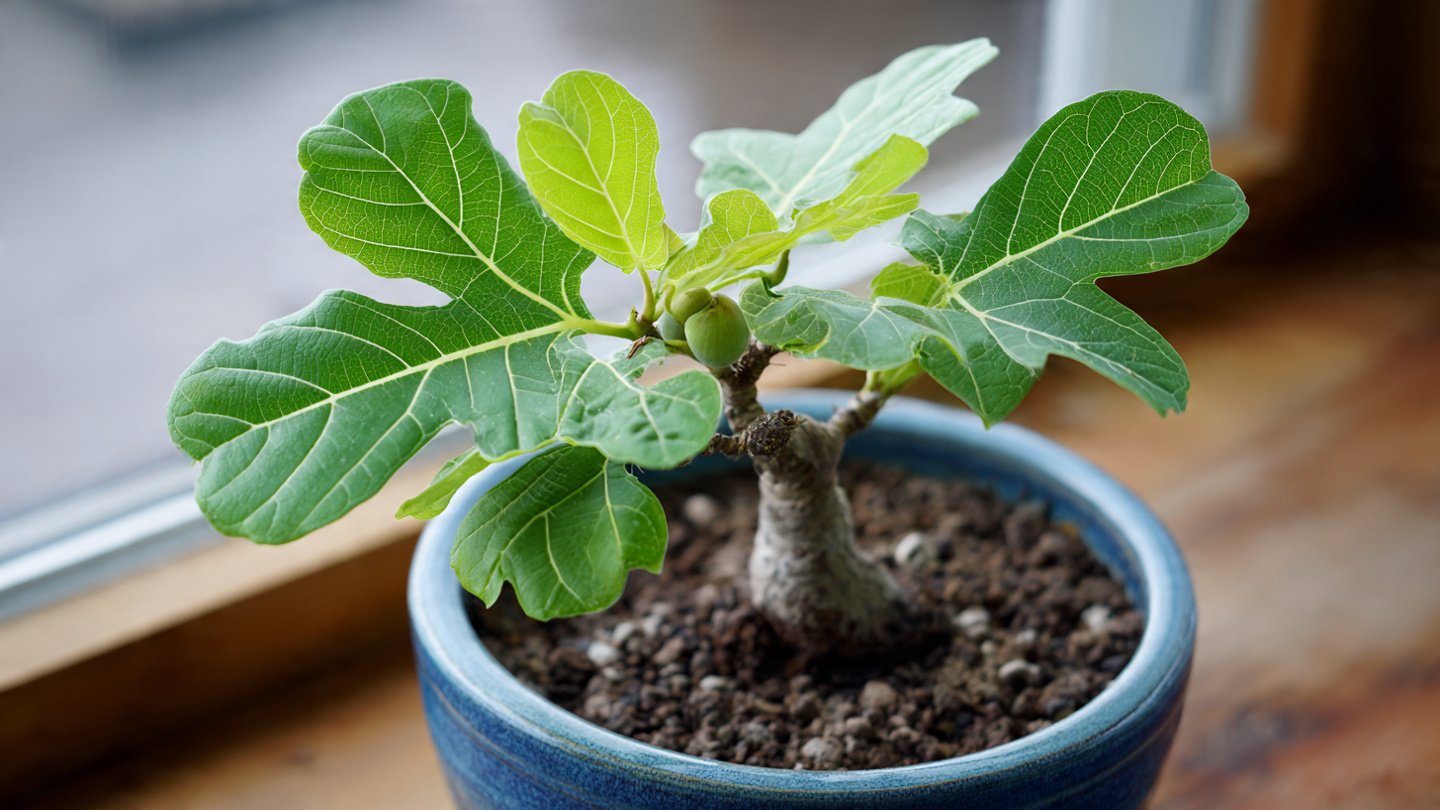
Figs are one of the most rewarding fruit trees to grow at home, prized for their sweet, succulent fruit and striking foliage. Traditionally grown in gardens or orchards, figs can also thrive in containers, making them ideal for patios, balconies, and small urban gardens. However, fig trees are naturally vigorous growers, and without proper care, they can quickly outgrow their container.
Keeping a fig tree compact in a pot is not only essential for space management but also promotes healthy growth, abundant fruiting, and easier maintenance. This comprehensive guide covers everything you need to know to maintain a compact fig tree in a container—from selecting the right variety to pruning, watering, and fertilizing.
Why Grow Figs in Containers?
Container gardening offers several advantages for fig trees:
- Space-saving – Perfect for small gardens, terraces, or balconies.
- Mobility – Move trees to protect them from frost, wind, or extreme heat.
- Root control – Restricting roots in a container naturally limits tree size.
- Pest and disease management – Isolated containers reduce exposure to soil-borne pests and diseases.
- Enhanced fruiting – Container trees often produce fruit earlier and more consistently due to focused root growth and controlled conditions.
With the right techniques, you can grow a healthy, productive fig tree without it taking over your outdoor space.
Step 1: Choose the Right Fig Variety
Selecting a fig variety suited for container growth is the first step to success. Some figs naturally stay more compact and respond well to pruning:
- Petite Negra – Small, sweet fruit and compact growth.
- Brown Turkey – Hardy and adaptable, produces abundant fruit.
- Celeste – Ideal for pots, produces small, flavorful figs.
- Little Miss Figgy – Compact habit, perfect for small containers.
Choosing a naturally dwarf or compact variety makes it easier to maintain the tree’s size while still enjoying a good harvest.
Step 2: Select the Right Container
The container plays a crucial role in controlling a fig tree’s growth:
- Size – Start with a pot at least 15–20 inches in diameter and 15 inches deep for young trees. Mature trees may need a 24–30 inch container, but growth can be restricted with smaller pots.
- Material – Terra cotta pots are porous, allowing roots to breathe, but require more frequent watering. Plastic or resin pots retain moisture longer and are lighter for mobility.
- Drainage – Ensure the container has multiple drainage holes to prevent waterlogging and root rot.
A properly sized container balances root restriction with adequate nutrient and water supply, keeping the tree healthy without uncontrolled growth.
Step 3: Choose the Right Soil
Fig trees thrive in well-draining, fertile soil. Container soil must provide nutrients while allowing excess water to drain easily:
- Use quality potting mix as the base. Avoid heavy garden soil that compacts in pots.
- Mix in compost or well-rotted manure to provide essential nutrients.
- Optional: Add perlite or sand to improve drainage.
- Slightly acidic to neutral pH (6.0–7.0) is ideal.
Healthy soil is critical for supporting both vegetative growth and fruit production in container-grown fig trees.
Step 4: Planting Your Fig Tree
Planting correctly ensures a strong foundation:
- Place a layer of gravel or small stones at the bottom of the container to improve drainage.
- Fill the pot partially with the prepared soil mix.
- Position the fig tree in the center, ensuring the graft union (if grafted) is above soil level.
- Fill around the roots with soil, gently firming it to remove air pockets.
- Water thoroughly after planting to help settle the soil.
Proper planting reduces transplant shock and encourages healthy root establishment.
Step 5: Watering and Moisture Management
Container-grown fig trees require consistent but controlled watering:
- Frequency: Water when the top 1–2 inches of soil feel dry. Overwatering can cause root rot, while under-watering stresses the tree and reduces fruiting.
- Method: Water slowly at the base to encourage deep root growth.
- Mulching: Apply a thin layer of organic mulch to retain moisture, regulate soil temperature, and reduce evaporation.
Monitoring soil moisture closely is essential, especially in hot weather when containers dry out faster than garden beds.
Step 6: Fertilizing for Controlled Growth
Fertilizing a container fig tree is essential for fruiting and compact growth:
- Use a balanced fertilizer (e.g., 10:10:10 NPK) during spring and early summer.
- Reduce nitrogen-rich fertilizer in late summer or fall to avoid excessive vegetative growth that can make the tree unmanageable.
- Organic options like compost tea, seaweed extract, or fish emulsion provide steady nutrition without promoting uncontrolled growth.
Proper fertilization ensures the tree develops strong branches and abundant fruit while keeping its size manageable.
Step 7: Pruning to Maintain a Compact Size
Pruning is the most important tool for keeping a fig tree small in a container:
- Structural pruning: Remove dead, damaged, or crossing branches to maintain airflow and shape.
- Size control: Cut back overly long shoots by one-third during the dormant season.
- Fruit pruning: Fig trees produce fruit on last year’s wood, so careful pruning encourages new growth for the next season.
- Regular maintenance: Light pruning throughout the growing season prevents the tree from becoming too dense.
Pruning not only controls size but also improves sunlight penetration, air circulation, and fruit production.
Step 8: Providing Support
Even compact fig trees can develop heavy branches laden with fruit:
- Use stakes or small trellises in the pot to support larger branches.
- Tie branches loosely with soft garden twine to prevent breakage.
- Ensure the tree remains upright and balanced, especially when fruiting.
Supporting the tree prevents damage and helps maintain a tidy, compact shape.
Step 9: Repotting and Root Management
Over time, container-grown figs may become root-bound. Repotting is essential:
- Repot every 2–3 years, preferably in early spring before new growth starts.
- Trim 10–20% of the root mass to encourage healthy, compact root growth.
- Refresh the soil with nutrient-rich potting mix.
Root pruning combined with a slightly smaller pot size helps keep the tree compact while maintaining vigor.
Step 10: Pest and Disease Management
Container fig trees are generally easier to manage, but pests and diseases can still appear:
- Aphids, spider mites, and scale insects: Monitor leaves and treat with neem oil or insecticidal soap.
- Fungal diseases: Ensure proper airflow, avoid overhead watering, and remove affected leaves promptly.
- Fruit flies: Cover fruit if necessary to prevent infestation.
Regular inspection and early intervention help maintain healthy foliage and abundant fruiting.
Step 11: Harvesting Figs
Figs are ready to harvest when:
- The fruit softens slightly and easily detaches from the branch.
- The skin color changes according to the variety (purple, brown, or green).
- They emit a sweet aroma, indicating ripeness.
Harvest carefully to avoid damaging branches. Container-grown figs often produce smaller but sweeter fruits due to concentrated nutrients.
Additional Tips for Compact Container Figs
- Choose dwarf or container-friendly varieties – Some cultivars naturally stay smaller.
- Sunlight: Fig trees require at least 6–8 hours of direct sunlight daily for optimal growth and fruiting.
- Winter protection: Move pots indoors or to sheltered locations in cold climates.
- Consistent care: Regular watering, fertilizing, and pruning are key to maintaining compact growth.
- Companion planting: Herbs like basil or marigolds nearby can deter pests and enhance the garden aesthetic.
Following these tips ensures your container fig tree remains manageable, healthy, and productive for years.
Conclusion
Growing a fig tree in a container doesn’t mean sacrificing fruit yield or tree health. By carefully selecting the right variety, choosing an appropriate container, managing soil, water, and fertilizer, and practicing regular pruning, you can keep your fig tree compact while promoting vigorous growth and abundant fruiting.
Container-grown fig trees offer the flexibility to move plants for sunlight optimization or frost protection, control over soil and root growth, and easier pest management. Whether you have a small patio, balcony, or urban garden, maintaining a compact fig tree allows you to enjoy sweet, homegrown figs without the challenges of a full-sized orchard tree.
Start growing your container fig today, and with consistent care, you’ll enjoy a beautiful, manageable tree that produces delicious fruit season after season.