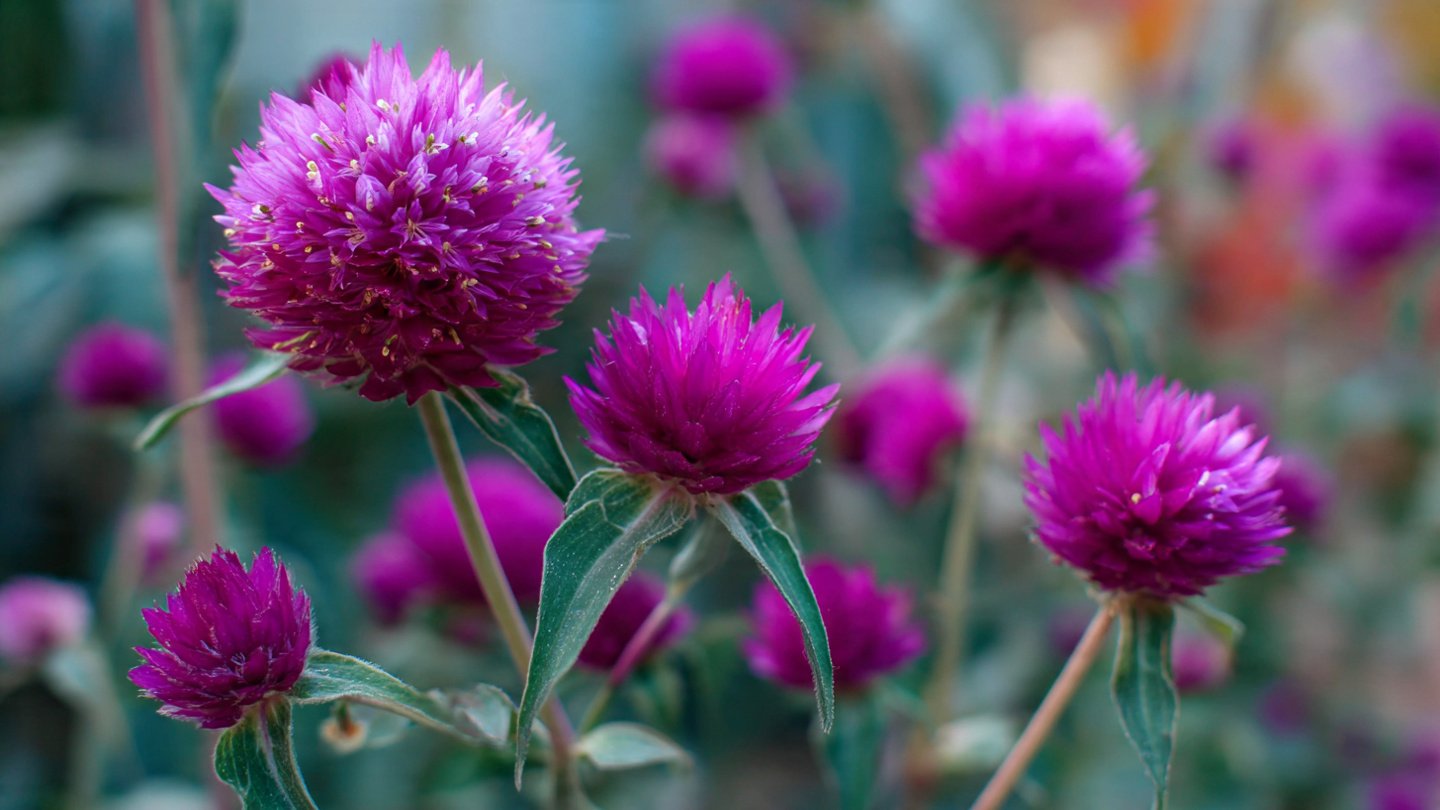
Gomphrena, often admired for its vibrant, clover-like blooms and exceptional durability, is a favorite among gardeners who want long-lasting color with minimal effort. Commonly known as globe amaranth, this cheerful flowering plant thrives in warm climates and rewards growers with bright blossoms that hold their color even when dried. Best of all, gomphrena is easy to grow from seed, making it an excellent choice for beginners and experienced gardeners alike. This detailed guide will walk you through everything you need to know to successfully grow gomphrena from seed and enjoy a lively, colorful garden.
Why Choose Gomphrena for Your Garden?
Gomphrena stands out for its resilience and versatility. It tolerates heat, drought, and poor soil better than many flowering plants, making it ideal for summer gardens. Its flowers come in shades of purple, pink, red, white, and orange, adding bold color to flower beds, borders, and containers. Beyond its ornamental value, gomphrena attracts pollinators like butterflies and bees, helping to support a healthy garden ecosystem.
Another reason gardeners love gomphrena is its long blooming season. Once it starts flowering, it continues to produce blooms until the first frost, offering months of color with very little maintenance.
Understanding Gomphrena’s Growing Requirements
Before sowing seeds, it’s important to understand the basic needs of gomphrena. This plant thrives in full sun, requiring at least six to eight hours of direct sunlight daily. Warm temperatures are essential, as gomphrena is sensitive to frost and cold soil.
Well-draining soil is another key factor. Gomphrena does not tolerate waterlogged conditions, and overly rich soil can encourage leafy growth at the expense of flowers. Average garden soil with good drainage is usually sufficient for healthy plants.
When to Start Gomphrena Seeds
Timing plays a crucial role in successful seed germination. Gomphrena seeds can be started indoors or sown directly in the garden, depending on your climate. In regions with a long growing season, direct sowing after the last frost works well. For cooler areas, starting seeds indoors gives plants a head start.
If starting indoors, sow seeds about six to eight weeks before the last expected frost. This allows seedlings to grow strong enough for transplanting once outdoor temperatures are consistently warm.
How to Sow Gomphrena Seeds Indoors
Begin by filling seed trays or small pots with a light, well-draining seed-starting mix. Moisten the soil slightly before planting. Place one or two seeds per cell, pressing them gently into the surface. Gomphrena seeds need light to germinate, so avoid burying them deeply. A thin layer of soil or simply pressing them into the surface is sufficient.
Place the trays in a warm, bright location. Maintain consistent moisture by misting or watering gently from the bottom. Seeds usually germinate within seven to fourteen days when kept warm. Once seedlings emerge, ensure they receive plenty of light to prevent leggy growth.
Direct Sowing Gomphrena Seeds Outdoors
For gardeners who prefer direct sowing, wait until all danger of frost has passed and the soil has warmed. Prepare the garden bed by loosening the soil and removing weeds. Scatter seeds lightly over the soil surface and gently press them in.
Water carefully to avoid washing the seeds away. Keep the soil consistently moist until germination occurs. Thin seedlings once they are a few inches tall, spacing them about eight to twelve inches apart to allow proper air circulation and growth.
Transplanting Seedlings Successfully
If you started seeds indoors, transplanting is the next important step. Before moving seedlings outside, harden them off by gradually exposing them to outdoor conditions over a week. This reduces transplant shock and helps plants adapt.
Choose a sunny spot with well-draining soil. Dig holes slightly larger than the root ball and gently place seedlings in the ground. Water thoroughly after planting to help roots establish. Avoid disturbing the roots too much, as gomphrena prefers minimal stress during transplanting.
Watering and Feeding Gomphrena
Once established, gomphrena is relatively drought-tolerant. Water young plants regularly until they are well-rooted, then reduce frequency. Overwatering can lead to weak growth and fewer flowers, so allow the soil to dry slightly between watering sessions.
Fertilizing should be done sparingly. Too much fertilizer, especially nitrogen-rich types, can cause excessive foliage growth with fewer blooms. A light application of a balanced fertilizer or compost at planting time is usually sufficient for the entire season.
Caring for Gomphrena Plants
Gomphrena is a low-maintenance plant, but a little care goes a long way. Removing spent flowers, known as deadheading, encourages continuous blooming and keeps plants looking tidy. However, even without deadheading, gomphrena continues to flower reliably.
Because of its strong stems and compact growth habit, gomphrena rarely needs staking. It also has good resistance to pests and diseases, making it a dependable choice for organic and low-intervention gardens.
Harvesting Flowers for Fresh and Dried Arrangements
One of gomphrena’s unique features is its suitability for both fresh and dried floral arrangements. For fresh use, harvest flowers when they are fully colored. For drying, cut stems just as blooms reach their peak.
Bundle stems together and hang them upside down in a dry, well-ventilated area away from direct sunlight. Once dried, the flowers retain their color and shape, making them perfect for wreaths, bouquets, and craft projects.
Saving Gomphrena Seeds for Next Season
Gomphrena is an excellent plant for seed saving. At the end of the season, allow some flowers to mature and dry on the plant. Once fully dry, collect the flower heads and gently break them apart to release the seeds.
Store seeds in a cool, dry place in labeled envelopes or containers. Properly stored seeds remain viable for several years, allowing you to grow gomphrena again without purchasing new seeds.
Conclusion
Growing gomphrena from seed is a simple and rewarding way to bring long-lasting color to your garden. With minimal care, plenty of sunlight, and well-draining soil, this resilient plant thrives and blooms abundantly throughout the season. Whether planted in garden beds, borders, or containers, gomphrena adds cheerful color and texture while attracting beneficial pollinators. By following these easy steps, you can confidently grow gomphrena from seed and enjoy a bright, vibrant garden year after year.