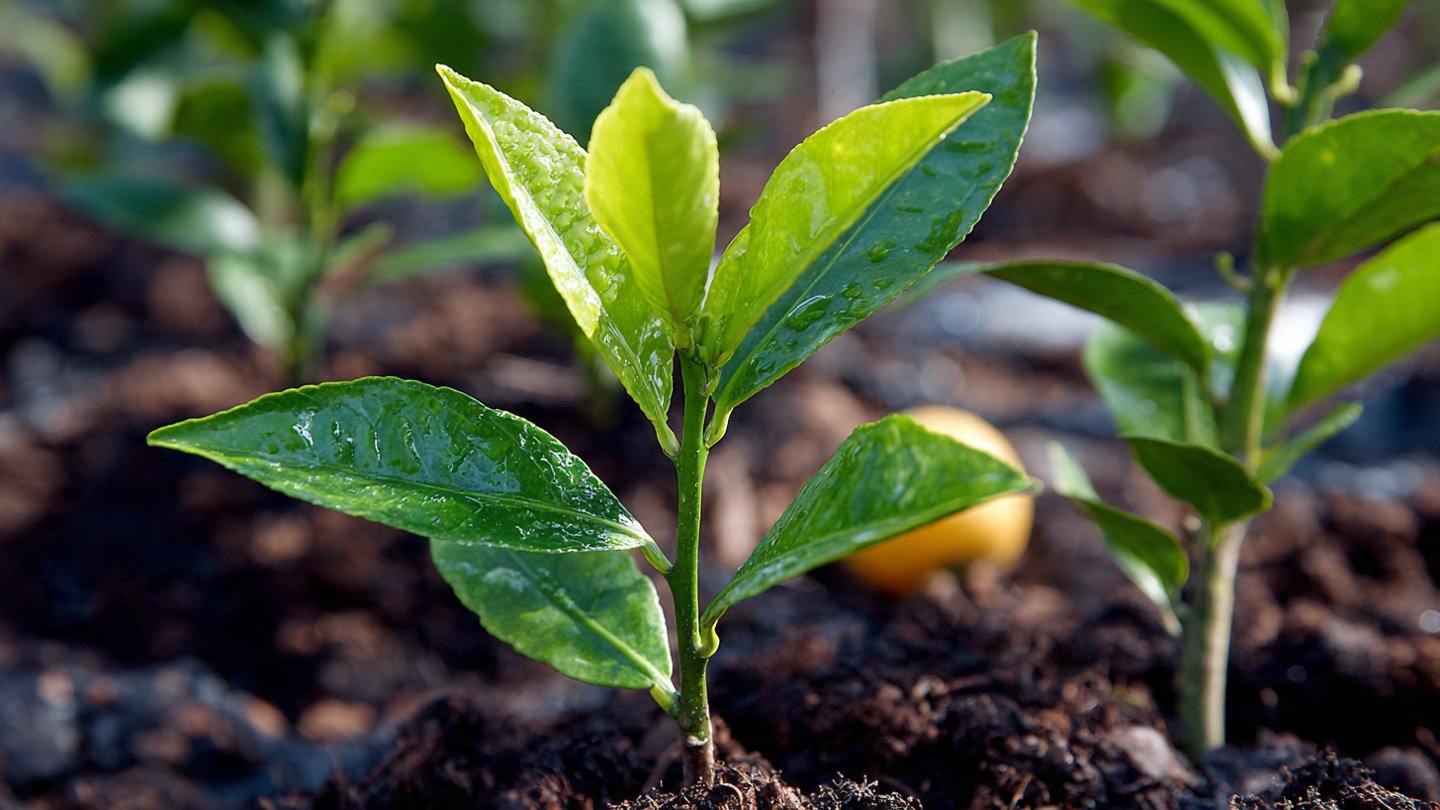
Propagating citrus trees from cuttings is a rewarding and cost-effective way to grow new plants that are true to the parent variety. Whether you dream of harvesting lemons from your balcony, oranges from your backyard, or limes from a sunny windowsill, learning how to propagate citrus from cuttings gives you full control over quality, growth, and care. While citrus trees are often grown from seeds or grafted plants, propagation from cuttings is an excellent option for home gardeners who want faster and more predictable results.
This step-by-step guide will walk you through everything you need to know—from selecting the right cutting to caring for your young citrus plant until it becomes well established.
Why Propagate Citrus Trees from Cuttings?
Growing citrus trees from cuttings offers several advantages. First, the new plant will be genetically identical to the parent tree, meaning fruit quality, taste, and growth habits remain the same. Second, cuttings mature faster than seed-grown plants and can begin flowering and fruiting earlier. Finally, this method is economical, requiring minimal tools and supplies.
For gardeners with limited space, propagating citrus from cuttings also allows you to grow compact plants suitable for containers and indoor or balcony gardening.
Step 1: Choose the Right Parent Plant
Successful propagation starts with a healthy parent plant. Choose a citrus tree that is disease-free, actively growing, and known for producing good-quality fruit. The best time to take cuttings is during the growing season, usually in spring or early summer, when the plant has plenty of energy for root development.
Avoid taking cuttings from stressed, flowering, or fruiting branches, as these are less likely to root successfully.
Step 2: Select and Prepare the Cutting
Look for semi-hardwood branches—these are neither too soft nor fully woody. The ideal cutting should be about 4–6 inches long and have at least two to four leaf nodes.
Using clean, sharp pruning shears, cut just below a leaf node. Remove any flowers, buds, or fruits from the cutting, as they drain energy needed for root formation. Trim off the lower leaves, leaving only two or three leaves at the top. If the remaining leaves are large, cut them in half to reduce moisture loss.
Step 3: Optional Use of Rooting Hormone
While citrus cuttings can root without rooting hormone, using one significantly improves success rates. Dip the cut end of the stem into rooting hormone powder or gel, tapping off any excess. Rooting hormone encourages faster and stronger root development and helps protect the cutting from fungal infections.
If you prefer organic alternatives, cinnamon or aloe vera gel can also be used, though results may vary.
Step 4: Prepare the Growing Medium
Citrus cuttings require a light, well-draining growing medium. A mix of coco peat, perlite, and sand works very well. You can also use a commercial seed-starting mix.
Fill small pots or nursery bags with the prepared medium and moisten it slightly before planting. Ensure the containers have proper drainage holes to prevent waterlogging, which is one of the most common causes of failure.
Step 5: Planting the Cutting
Insert the cutting into the growing medium about 2–3 inches deep, making sure at least one leaf node is below the soil surface. Gently firm the soil around the stem to hold it upright.
Water lightly to settle the soil. Avoid pressing too hard, as compacted soil restricts air flow and root development.
Step 6: Create a Humid Environment
High humidity is crucial for rooting citrus cuttings. Since the cutting has no roots initially, it loses moisture quickly through its leaves.
Cover the pot with a transparent plastic bag or place it inside a mini greenhouse to trap humidity. Ensure the plastic does not touch the leaves, as this can encourage fungal growth. Make a few small holes for air circulation.
Place the cutting in a warm location with bright, indirect light. Direct sunlight at this stage can overheat the cutting and cause it to dry out.
Step 7: Watering and Care During Rooting
Keep the growing medium consistently moist but not soggy. Overwatering can cause stem rot, while underwatering can dry out the cutting. Mist the leaves occasionally if the environment is dry.
Root development typically takes 4–8 weeks. During this time, avoid disturbing the cutting. You may notice new leaf growth, which is a good sign, but gentle tugging is the best way to confirm rooting. Resistance indicates roots have formed.
Step 8: Acclimatization and Transplanting
Once the cutting has developed a healthy root system, it’s time to acclimatize it to normal conditions. Gradually remove the plastic cover over a week to allow the plant to adjust to lower humidity.
After acclimatization, transplant the young citrus plant into a larger pot filled with nutrient-rich, well-draining soil. Water thoroughly and place it in a location that receives at least 6–8 hours of sunlight daily.
Step 9: Ongoing Care for Young Citrus Plants
Young citrus plants need consistent care to thrive:
- Sunlight: Full sun is essential for healthy growth.
- Watering: Water when the top inch of soil feels dry.
- Feeding: Apply a balanced fertilizer every 4–6 weeks during the growing season.
- Pruning: Light pruning helps shape the plant and encourages bushier growth.
With proper care, your propagated citrus tree will grow steadily and may begin flowering within a couple of years.
Common Mistakes to Avoid
- Using heavy or poorly draining soil
- Overwatering the cutting
- Placing cuttings in direct sunlight too early
- Taking cuttings from unhealthy or stressed plants
Avoiding these mistakes greatly improves your success rate.
Final Thoughts
Propagating citrus trees from cuttings is a practical and satisfying way to expand your garden without relying on seeds or expensive nursery plants. While the process requires patience and attention to detail, the rewards are well worth the effort. By following the right steps—selecting healthy cuttings, providing proper humidity, and offering consistent care—you can grow strong, productive citrus trees that bring beauty, fragrance, and fresh fruit to your home garden for years to come.