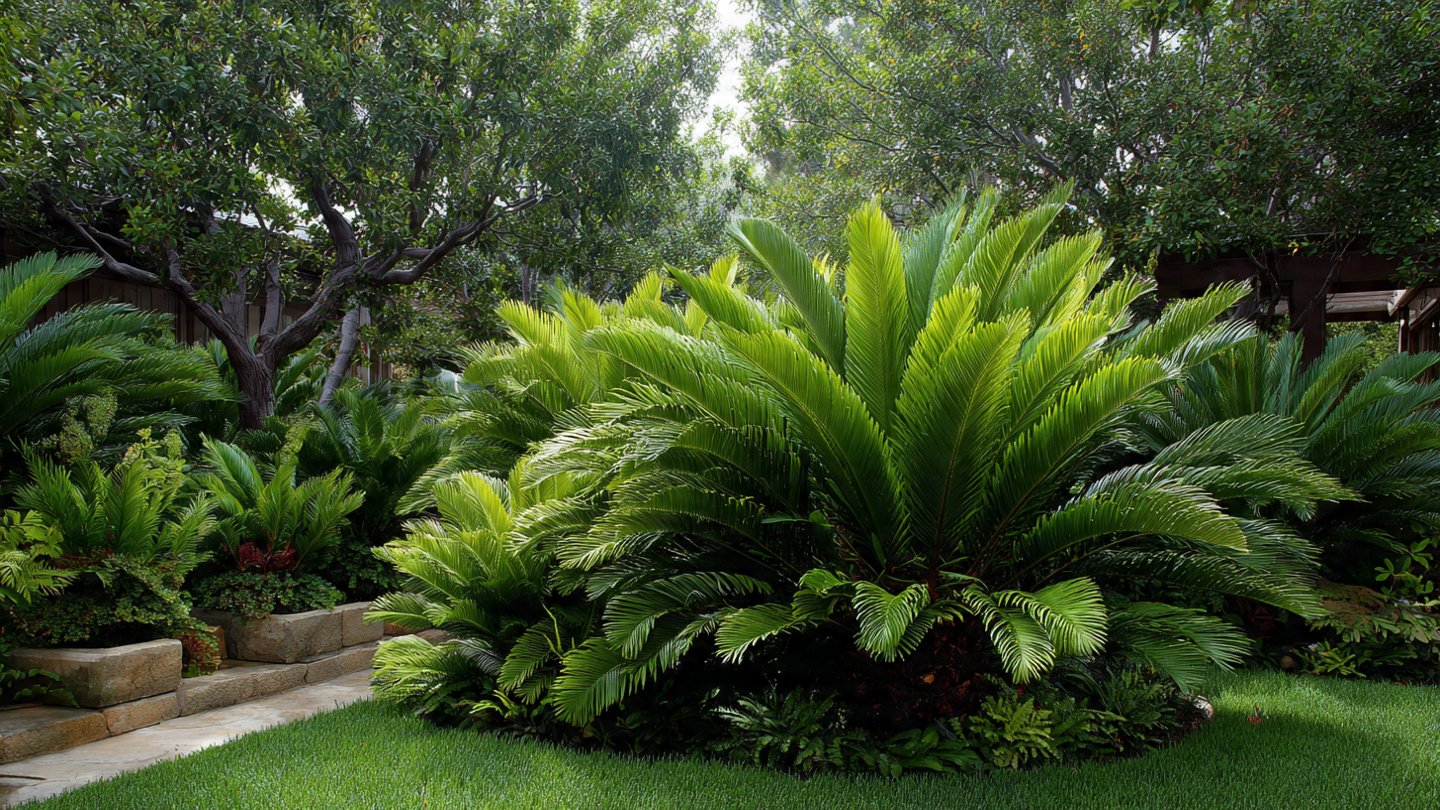
A well-designed landscape often combines texture, color, and form to create visual interest and harmony. Among the many plants used in landscaping, the Sago Palm (Cycas revoluta) stands out as a unique, versatile, and elegant choice. Despite its common name, the Sago Palm is not a true palm—it is a cycad, an ancient plant species that has existed for millions of years. Its symmetrical rosette of dark green, feather-like leaves and slow growth make it a perfect focal point in outdoor landscapes.
Using the Sago Palm strategically in garden design can create a stunning, tropical aesthetic, highlight hardscape elements, and add structural beauty. This guide will cover how to grow, care for, and use the Sago Palm as a focal plant to elevate your outdoor spaces.
Why Sago Palm Makes a Great Focal Plant
Before diving into planting and design, it’s essential to understand why the Sago Palm is an ideal focal point:
- Architectural Form: Its symmetrical, crown-like leaves radiate from a central trunk, providing a bold, sculptural look.
- Evergreen Beauty: The dark green foliage remains attractive year-round, offering consistent structure in the garden.
- Slow Growth: Sago Palms grow slowly, which allows you to maintain a defined look without constant pruning.
- Low Maintenance: They are drought-tolerant, pest-resistant, and adaptable to various soil types.
- Versatile Placement: Sago Palms can be used in beds, borders, containers, or as solitary specimens.
These characteristics make the Sago Palm both practical and visually striking for creating landscape focal points.
Step 1: Selecting the Right Location
The first step in designing a focal point with Sago Palm is choosing the ideal location:
- Sunlight: Sago Palms thrive in full sun to partial shade. Full sun encourages robust growth and compact foliage, while partial shade is suitable in hot, dry climates.
- Soil Requirements: They prefer well-draining soil. Sandy or loamy soil works best, and raised beds or amended garden soil can improve drainage in clay-heavy areas.
- Space Considerations: Allow 3–6 feet of space around each plant. Though slow-growing, Sago Palms can eventually spread several feet in diameter.
Placing a Sago Palm in an area with unobstructed visibility—near walkways, patios, or entrances—maximizes its impact as a focal point.
Step 2: Planting the Sago Palm
Proper planting ensures healthy growth and longevity:
- Dig the Hole: Make a hole twice as wide and equal in depth to the root ball of the palm.
- Prepare the Soil: Mix existing soil with sand or perlite for improved drainage. Adding organic compost can help provide nutrients.
- Planting Depth: Place the palm so the top of the root ball is level with or slightly above the surrounding soil. Planting too deep can cause root rot.
- Watering: Water thoroughly after planting to settle the soil. Establish a routine of moderate watering until the plant adapts to its new environment.
- Mulching: Apply a 2–3 inch layer of mulch around the base, keeping it a few inches away from the trunk. Mulch helps retain moisture, regulate soil temperature, and suppress weeds.
Well-planted Sago Palms are less prone to transplant shock and establish quickly in outdoor landscapes.
Step 3: Designing with Sago Palm as a Focal Point
When using Sago Palm in landscape design, consider these strategies:
1. Solitary Specimen
- Place a single Sago Palm in the center of a circular bed or near a pathway entrance.
- Surround it with low-growing ground covers, decorative stones, or mulch for emphasis.
- Its architectural form naturally draws attention and serves as a centerpiece.
2. Clustered Groupings
- Plant multiple Sago Palms in odd-numbered clusters (3 or 5) for a natural, visually appealing arrangement.
- Use variation in height or age to create depth and texture.
- Clustered arrangements work well along driveways, patios, or garden corners.
3. Contrast and Texture
- Pair Sago Palms with softer plants like ferns, ornamental grasses, or flowering shrubs.
- The dark green, rigid fronds contrast beautifully with delicate foliage or colorful blooms.
- Use contrasting mulch or stone beds to highlight the plant’s form.
4. Hardscape Integration
- Place Sago Palms near stone pathways, retaining walls, or fountains.
- Their sculptural form complements concrete, stone, or wood, adding elegance to patios, entryways, and outdoor seating areas.
Proper design ensures the Sago Palm stands out as a focal point while harmonizing with surrounding elements.
Step 4: Watering and Irrigation
While drought-tolerant, Sago Palms grow best with moderate and consistent watering:
- Newly Planted Palms: Water 2–3 times per week until established.
- Established Plants: Water once per week during dry periods.
- Avoid Overwatering: Waterlogging can lead to root rot, particularly in clay soils.
- Mulch Benefits: Helps retain moisture and reduces the need for frequent watering.
Adjust watering schedules based on climate, season, and soil type for optimal results.
Step 5: Fertilization
Nutrient-rich soil encourages healthy fronds and long-lasting beauty:
- Slow-Release Fertilizer: Apply a palm-specific or balanced slow-release fertilizer (NPK 12-4-12) 3–4 times a year, especially in spring and summer.
- Micronutrients: Ensure the fertilizer contains magnesium and manganese, which promote vibrant green foliage and prevent yellowing.
- Application Tips: Avoid direct contact with the trunk—apply fertilizer to the surrounding soil and water in lightly.
Proper fertilization enhances both growth and visual appeal of the Sago Palm as a landscape focal point.
Step 6: Pruning and Maintenance
Routine maintenance keeps your Sago Palm looking its best:
- Remove Dead Fronds: Cut yellow or brown fronds at the base. This prevents pests and maintains symmetry.
- Control Offshoots: Sago Palms produce offsets or “pups.” Remove unwanted pups or transplant them for propagation.
- Inspect for Pests: Check for scale insects, mealybugs, or mites. Neem oil or insecticidal soap can manage infestations.
- Protect New Growth: The central growing tip, called the crown, is sensitive. Avoid damaging it during pruning.
Regular maintenance ensures the Sago Palm remains a striking, healthy focal plant.
Step 7: Dealing with Common Issues
While hardy, Sago Palms can encounter some challenges:
- Yellowing Leaves: Often caused by nutrient deficiency, overwatering, or poor drainage. Apply fertilizer and adjust watering.
- Brown Leaf Tips: Usually due to low humidity, underwatering, or salt buildup in soil. Flush soil and maintain moderate moisture.
- Pests: Scale insects or mealybugs can be treated with horticultural oil or insecticidal soap.
- Cold Sensitivity: Sago Palms tolerate mild frost but may need protection in areas below 20°F (-6°C). Cover or move potted plants indoors during extreme cold.
Early detection and proactive care keep the plant looking elegant and prevent serious damage.
Step 8: Seasonal Considerations
- Spring and Summer: Peak growing season—water and fertilize regularly to encourage new fronds.
- Fall: Reduce fertilization and moderate watering as growth slows.
- Winter: Protect from frost; in mild climates, Sago Palms remain evergreen.
Adapting care to seasonal changes ensures long-term health and beauty.
Step 9: Using Sago Palm in Combination with Other Plants
Sago Palms can be integrated into diverse landscape styles:
- Tropical Landscapes: Pair with hibiscus, bird of paradise, or ornamental grasses for a lush, exotic feel.
- Modern Minimalist Gardens: Use single Sago Palms with gravel beds, boulders, or concrete planters for a sculptural effect.
- Mediterranean Gardens: Combine with drought-tolerant plants like lavender, rosemary, or agave for texture contrast.
- Container Gardens: Large pots with Sago Palm can define patios, entranceways, or terraces as living sculptures.
Creative combinations elevate the Sago Palm from a plant to a central design element.
Step 10: Propagation and Longevity
Sago Palms can live for decades, making them a long-term focal plant:
- Offsets (Pups): Remove pups from the base and plant them separately. This is the easiest method of propagation.
- Seeds: Rarely used, as germination is slow and plants take years to mature.
- Longevity: With proper care, a Sago Palm can thrive for 50–100 years, maintaining its role as a landscape centerpiece.
Propagation ensures your garden can expand while maintaining visual continuity.
Conclusion
The Sago Palm is an extraordinary plant for creating stunning outdoor focal points. Its symmetrical foliage, evergreen beauty, and sculptural presence make it ideal for enhancing patios, garden beds, and pathways. By selecting the right location, providing proper soil, watering, and fertilization, and using design strategies such as solitary placement or clustering, you can maximize the visual impact of this remarkable cycad.
Regular maintenance, pest control, and thoughtful integration with surrounding plants ensure your Sago Palm remains a centerpiece for years. Whether used in tropical, Mediterranean, or modern minimalist landscapes, the Sago Palm combines elegance, durability, and versatility.
By incorporating Sago Palms into your outdoor design, you create a timeless, dramatic, and stunning landscape that captures attention, adds structure, and enhances the beauty of your garden.