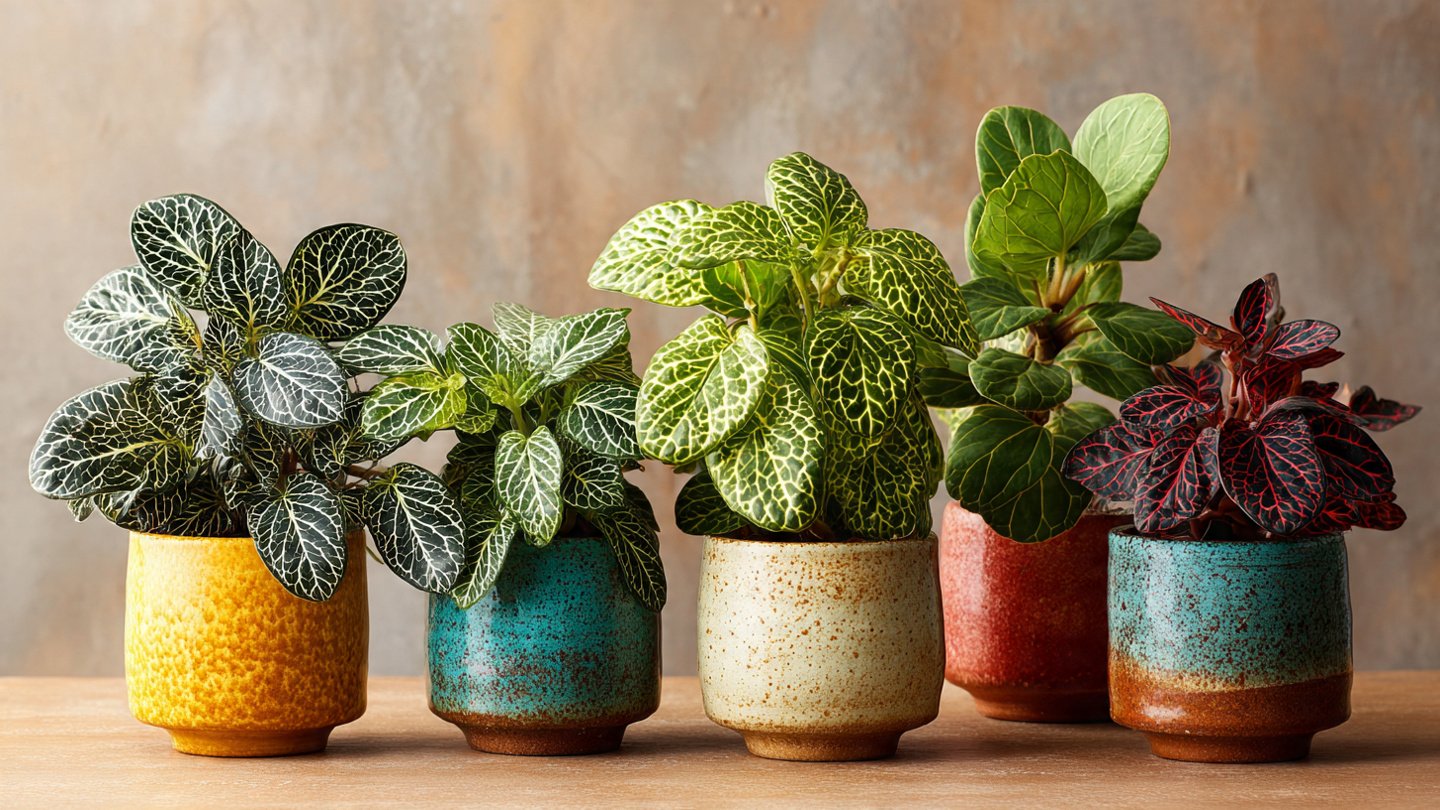
The nerve plant, known for its beautifully patterned leaves and compact growth habit, is a favorite among indoor plant lovers. With its striking veins in shades of white, pink, or red against deep green foliage, this plant instantly adds life and color to any indoor space. However, many gardeners struggle with one common problem—wilting. The good news is that with the right methods and care routine, you can grow a lush, healthy nerve plant without constant drooping. This detailed guide explains the best techniques to keep your nerve plant thriving all year round.
Understanding the Nerve Plant’s Natural Needs
Before learning how to prevent wilting, it’s important to understand where the nerve plant comes from. Native to tropical rainforest floors, nerve plants are used to warm temperatures, consistent moisture, and high humidity. Wilting is not always a sign of death in this plant—it’s often a stress response to dry soil or low humidity. By mimicking its natural environment indoors, you can maintain a strong, upright plant with vibrant foliage.
Choosing the Right Location Indoors
Placement plays a crucial role in nerve plant health. This plant prefers bright, indirect light. Too much direct sunlight can scorch the leaves and cause moisture loss, while very low light can slow growth and dull leaf color.
An east-facing window, a well-lit room away from harsh sun, or a spot near filtered light is ideal. If natural light is limited, the nerve plant adapts well to artificial grow lights, making it suitable for offices and apartments.
The Best Soil Mix to Prevent Wilting
One of the most common reasons nerve plants wilt is improper soil. The roots need moisture, but they also require air circulation to prevent rot.
Use a light, well-draining soil mix that retains moisture without becoming soggy. A good combination includes:
- Potting soil
- Coco peat or peat moss
- Perlite or coarse sand
This mix keeps the roots hydrated while allowing excess water to drain away. Always choose a pot with drainage holes to avoid waterlogging, which can lead to root problems and sudden wilting.
Mastering the Right Watering Method
Watering is the most critical factor in keeping a nerve plant from wilting. Unlike drought-tolerant plants, nerve plants dislike drying out completely.
Best watering practices include:
- Keep the soil consistently moist but not wet.
- Water when the top inch of soil feels slightly dry.
- Use room-temperature water to avoid shocking the roots.
- Water slowly until excess drains out from the bottom.
If the plant wilts due to underwatering, it usually recovers quickly after watering. However, repeated cycles of drying out can weaken the plant over time.
Maintaining High Humidity Levels
Low humidity is another major cause of wilting. Nerve plants thrive in humid environments and often struggle in dry indoor air, especially during winter or in air-conditioned rooms.
Effective ways to increase humidity:
- Mist the plant lightly once or twice a day.
- Place the pot on a tray filled with pebbles and water.
- Group it with other indoor plants to create a humid microclimate.
- Keep it in naturally humid spaces like kitchens or bathrooms with indirect light.
Consistent humidity helps the leaves stay firm and prevents sudden drooping.
Temperature Control for Steady Growth
Nerve plants prefer warm, stable temperatures between 18°C and 26°C. Cold drafts, sudden temperature drops, or placing the plant near air conditioners or heaters can stress it and cause wilting.
Avoid moving the plant frequently between rooms with different temperatures. Stability is key to keeping the foliage healthy and upright.
Proper Feeding Without Overdoing It
Although nerve plants don’t require heavy feeding, light nutrition supports steady growth and vibrant leaves. Over-fertilizing, however, can damage roots and cause leaf problems.
Feed your nerve plant once a month during the growing season (spring and summer) using a diluted, balanced liquid fertilizer. Avoid fertilizing during winter when growth naturally slows.
Pruning and Pinching for a Fuller Plant
Regular pruning helps maintain shape and prevents the plant from becoming leggy. Pinch off the tips of stems to encourage bushier growth. Remove any yellowing or damaged leaves promptly so the plant can focus energy on healthy growth.
Pruning also improves air circulation around the plant, reducing stress and lowering the risk of wilting.
Repotting at the Right Time
If your nerve plant wilts frequently despite proper care, it may be root-bound. Check the roots annually. If they are tightly circling the pot, it’s time to repot.
Choose a container just one size larger and refresh the soil mix. Repotting during spring gives the plant time to adjust and grow comfortably.
Preventing Common Problems
- Sudden wilting: Often caused by dry soil—water immediately and increase humidity.
- Yellow leaves: May indicate overwatering or poor drainage.
- Brown leaf edges: Usually a sign of low humidity or inconsistent watering.
Observing your plant closely helps you correct small issues before they become serious problems.
Long-Term Care Tips for Success
Consistency is the secret to growing a nerve plant without wilting. Keep a regular watering schedule, maintain humidity, and avoid extreme changes in light or temperature. With steady care, nerve plants become resilient and reward you with lush, colorful foliage.
Final Thoughts
Growing a nerve plant without wilting isn’t difficult once you understand its needs. By providing moist soil, high humidity, gentle light, and stable temperatures, you recreate the tropical conditions this plant loves. Whether you’re a beginner or an experienced indoor gardener, using these proven methods will help your nerve plant stay healthy, vibrant, and upright—adding lasting beauty to your indoor garden.