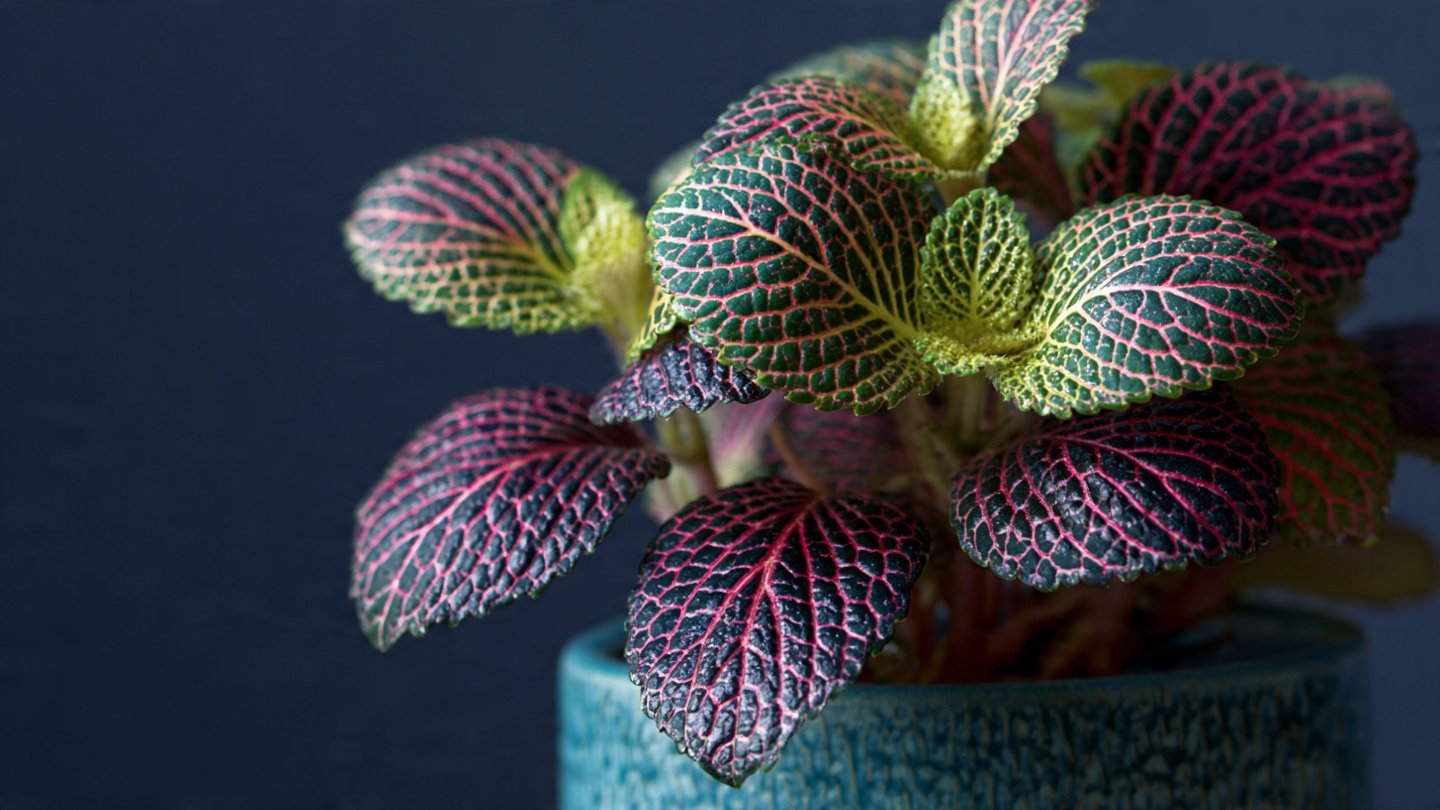
Fittonia, often admired for its striking veined leaves and compact growth, is one of the most eye-catching houseplants you can grow indoors. Commonly known as the nerve plant, it brings vibrant color and texture to shelves, desks, terrariums, and tabletops. While Fittonia has a reputation for being a little dramatic—wilting quickly when unhappy—it is actually quite easy to care for once you understand its basic needs. With the right light, moisture, and environment, this beautiful houseplant can thrive year-round inside your home.
This comprehensive guide will walk you through everything you need to know to keep your Fittonia healthy, lush, and full of life, even if you are a complete beginner.
Understanding Fittonia’s Natural Preferences
To grow Fittonia successfully indoors, it helps to understand where it comes from. Fittonia is native to tropical rainforests, where it grows under dense tree canopies. This means it naturally prefers warm temperatures, high humidity, consistent moisture, and filtered light. Replicating these conditions indoors is the key to long-term success.
Unlike many tough houseplants that tolerate neglect, Fittonia responds best to attentive care. However, once you learn its signals and habits, maintaining it becomes surprisingly simple.
Choosing the Right Light
Light is one of the most important factors for a healthy Fittonia. This plant thrives in bright, indirect light. A spot near an east- or north-facing window is ideal, where it can receive plenty of soft light without direct sun exposure.
Too much direct sunlight can scorch the delicate leaves, causing fading or brown patches. On the other hand, low light can lead to dull leaf color and leggy growth. If natural light is limited, Fittonia adapts well to fluorescent or LED grow lights, making it an excellent option for offices or rooms without windows.
Watering the Right Way
Proper watering is essential for Fittonia care. This plant likes consistently moist soil, but it does not tolerate waterlogged roots. The goal is balance.
Water your Fittonia when the top inch of soil feels slightly dry to the touch. Use room-temperature water and allow excess water to drain out of the pot completely. Never let the plant sit in standing water, as this can quickly lead to root rot.
Fittonia is famous for dramatically wilting when it gets too dry. While this can look alarming, the plant usually recovers quickly after watering. Frequent wilting, however, stresses the plant over time, so try to maintain a regular watering routine.
Maintaining Ideal Humidity
Humidity is where many indoor gardeners struggle with Fittonia, but it is also where simple solutions can make a big difference. Since Fittonia loves humid air, dry indoor environments—especially during winter—can cause leaf edges to brown or curl.
To increase humidity:
- Mist the leaves lightly a few times a week
- Place the pot on a tray filled with pebbles and water
- Group Fittonia with other houseplants
- Use a small room humidifier
Fittonia also thrives in terrariums and glass containers, where humidity remains naturally high. This makes it an excellent choice for decorative indoor displays.
Choosing the Best Soil and Pot
Fittonia prefers a light, well-draining potting mix that retains moisture without becoming soggy. A high-quality indoor plant mix combined with a bit of perlite or coco peat works well.
Always choose a pot with drainage holes to prevent excess water buildup. Shallow pots are often ideal, as Fittonia has a relatively shallow root system and spreads horizontally rather than growing deep roots.
Repotting is usually only necessary every one to two years, or when roots begin to crowd the container.
Temperature and Indoor Environment
Fittonia thrives in warm indoor temperatures between 18–26°C (65–80°F). It does not tolerate cold drafts, sudden temperature changes, or exposure to air conditioners and heaters.
Avoid placing Fittonia near doors, windows with cold air leaks, or heating vents. Consistent warmth helps the plant maintain steady growth and vibrant leaf color.
Feeding for Healthy Growth
While Fittonia is not a heavy feeder, occasional fertilizing encourages fuller growth and brighter foliage. During the active growing season (spring and summer), feed the plant once a month with a diluted, balanced liquid houseplant fertilizer.
Avoid over-fertilizing, as this can lead to salt buildup in the soil and damage the roots. In fall and winter, reduce or stop feeding altogether, as growth naturally slows.
Pruning and Shaping
Regular pruning keeps Fittonia compact and bushy. Pinch back leggy stems or remove overgrown tips to encourage branching. This not only improves the plant’s appearance but also helps maintain its dense, low-growing form.
Pruned cuttings can easily be propagated in water or moist soil, allowing you to create new plants from a healthy parent.
Common Problems and Easy Fixes
Fittonia communicates clearly when something is wrong:
- Wilting leaves: Usually a sign of underwatering or low humidity
- Yellow leaves: Often caused by overwatering or poor drainage
- Brown edges: Indicates dry air or inconsistent watering
- Faded color: Suggests insufficient light
Adjusting care conditions promptly usually restores the plant’s health quickly.
Why Fittonia Is Worth the Effort
Despite its reputation for being fussy, Fittonia rewards good care with stunning foliage that few houseplants can match. Its colorful leaf patterns add instant visual interest, making it perfect for small spaces, shelves, desks, and decorative containers.
With consistent watering, proper light, and adequate humidity, Fittonia becomes a reliable and long-lasting indoor companion. Once you understand its needs, caring for it feels natural rather than challenging.
Final Thoughts
Growing Fittonia indoors does not have to be complicated. By providing bright indirect light, steady moisture, warm temperatures, and high humidity, you can enjoy a healthy, vibrant plant that enhances your indoor space all year long. Pay attention to its signals, maintain a simple routine, and your Fittonia will thrive—proving that even dramatic plants can be easy to care for when given the right environment.