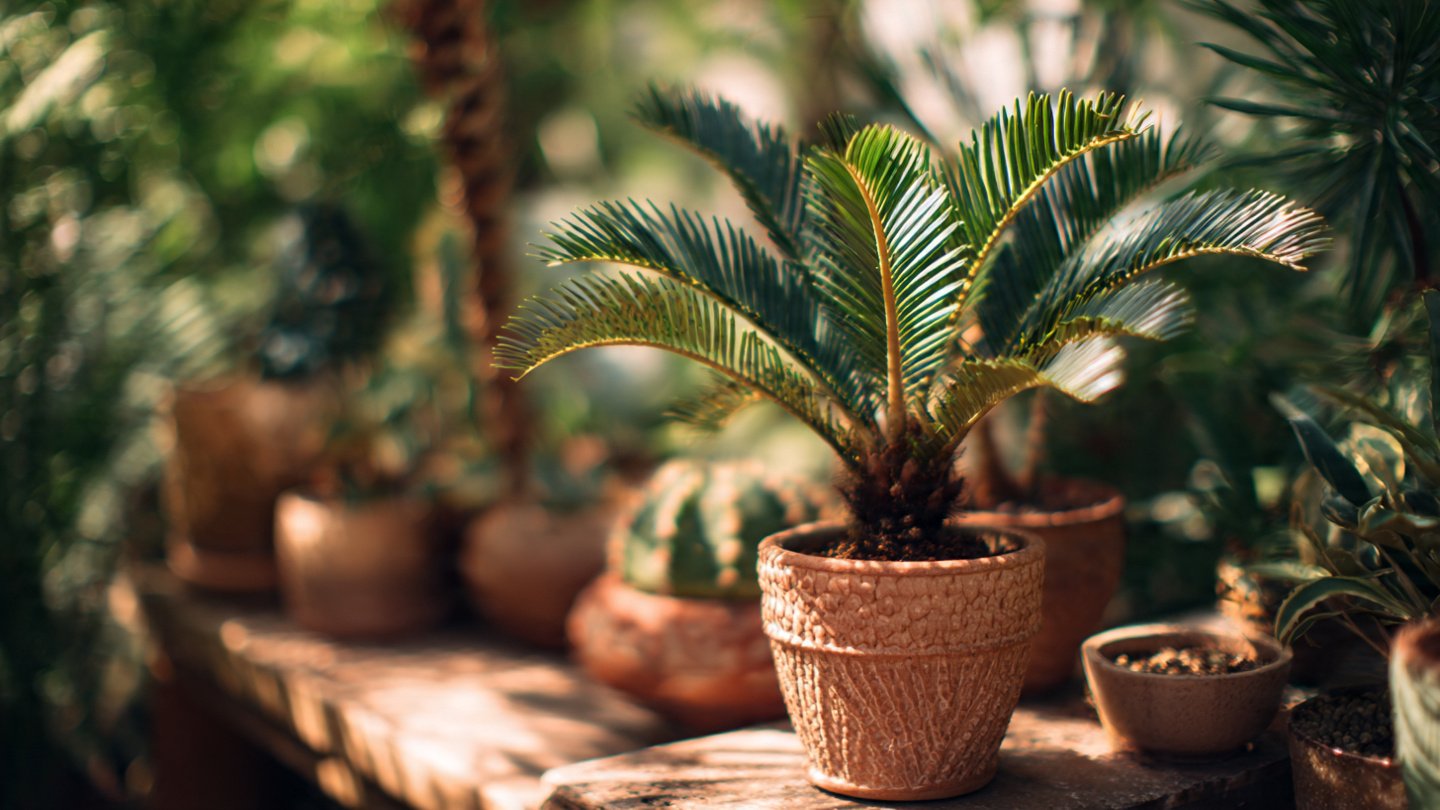
Cycas plants are often admired for their bold, prehistoric appearance and elegant symmetry. Commonly mistaken for palms, Cycas are actually ancient gymnosperms that have existed since the time of dinosaurs. Their slow growth, minimal maintenance needs, and strong visual appeal make them an excellent choice for home gardens, balconies, and even indoor spaces. In this detailed guide, you’ll learn how to nurture Cycas plants properly and ensure they remain healthy and attractive for many years.
Understanding the Cycas Plant
Cycas plants are hardy, evergreen ornamentals known for their stiff, glossy fronds arranged in a circular crown. Because they grow slowly and live for decades, Cycas are often considered long-term landscape investments. They thrive in warm climates but can also adapt well to containers, making them suitable for a wide range of home gardening conditions.
One of the most important things to understand about Cycas is patience. These plants take time to establish and grow, but once settled, they require very little attention compared to many other ornamentals.
Choosing the Right Location
Location plays a crucial role in the success of your Cycas plant.
Sunlight Requirements
Cycas prefer bright, indirect sunlight or partial shade. While mature plants can tolerate full sun, young plants are best protected from harsh afternoon rays, especially in hot climates. Too much direct sunlight may scorch the leaves, while too little light can slow growth and cause weak fronds.
Indoor vs Outdoor Placement
- Outdoor gardens: Choose a spot with filtered sunlight and good air circulation.
- Indoor spaces: Place the plant near a bright window where it receives natural light without direct exposure.
Avoid frequently moving the plant, as Cycas prefer stable conditions.
Soil Preparation for Healthy Growth
Well-draining soil is essential for Cycas. These plants are highly sensitive to waterlogging, which can lead to root rot.
Ideal Soil Mix
A loose, airy soil mix works best. You can prepare a suitable blend using:
- Garden soil
- Coarse sand
- Compost or well-rotted organic matter
The goal is to ensure excess water drains quickly while still retaining enough moisture to support root health.
Proper Watering Techniques
Overwatering is the most common mistake when growing Cycas.
How Often to Water
Water only when the top layer of soil feels dry. During the growing season (spring and summer), watering may be needed once a week, depending on climate and soil type. In cooler months, reduce watering significantly.
Signs of Overwatering
- Yellowing leaves
- Soft or mushy stem base
- Foul smell from the soil
If you notice these symptoms, stop watering immediately and improve drainage.
Fertilizing Cycas the Right Way
Cycas plants do not require heavy feeding, but occasional fertilization helps maintain lush foliage.
Fertilizer Tips
- Use a balanced, slow-release fertilizer or one specially formulated for ornamental foliage plants.
- Apply fertilizer once every 2–3 months during the active growing season.
- Avoid over-fertilization, as it can burn roots and damage leaves.
Organic options like compost or vermicompost can also be added lightly around the base.
Pruning and General Maintenance
Cycas plants naturally maintain their shape, so pruning is minimal.
When to Prune
Remove only old, yellow, or damaged leaves using clean, sharp tools. Avoid cutting healthy green fronds, as this can stress the plant and slow growth.
Cleaning the Plant
Occasionally wipe the leaves with a damp cloth to remove dust, especially for indoor plants. This helps the plant breathe better and enhances its appearance.
Pest and Disease Management
Cycas are generally pest-resistant, but they can occasionally attract insects.
Common Issues
- Scale insects and mealybugs: Appear as small bumps or white cottony patches on leaves and stems.
- Fungal problems: Usually caused by excess moisture and poor air circulation.
Prevention and Control
- Inspect plants regularly.
- Use neem oil or mild insecticidal soap for pests.
- Ensure proper spacing and airflow to prevent fungal infections.
Early detection makes treatment simple and effective.
Growing Cycas in Containers
Cycas adapt very well to container gardening, making them ideal for patios, balconies, and indoor décor.
Pot Selection
Choose a sturdy pot with drainage holes. Since Cycas grow slowly, repotting is only needed every 3–4 years or when roots become crowded.
Container Care Tips
- Avoid oversized pots, as excess soil retains moisture.
- Rotate the pot occasionally for even growth.
- Protect potted plants from extreme cold or heavy rain.
Seasonal Care Tips
Summer Care
- Provide partial shade in extreme heat.
- Increase watering slightly, but never let the soil stay soggy.
Winter Care
- Reduce watering frequency.
- Protect outdoor plants from frost using mulch or covers.
- Keep indoor plants away from cold drafts.
Long-Term Benefits of Growing Cycas
Once established, Cycas become low-maintenance, long-living plants that enhance garden aesthetics year-round. Their architectural form makes them excellent focal points in landscape design, and they pair beautifully with flowering plants, ground covers, and decorative stones.
Because they grow slowly, they don’t require constant trimming or reshaping, making them perfect for gardeners who prefer a relaxed maintenance routine.
Final Thoughts
Growing Cycas in your home garden is a rewarding experience that combines beauty, durability, and simplicity. By providing well-drained soil, moderate watering, suitable light, and occasional feeding, you can enjoy a healthy Cycas plant for decades. Whether planted in the ground or grown in a container, Cycas bring a timeless, elegant charm to any space. With patience and proper care, this ancient plant will thrive and become a standout feature in your garden.