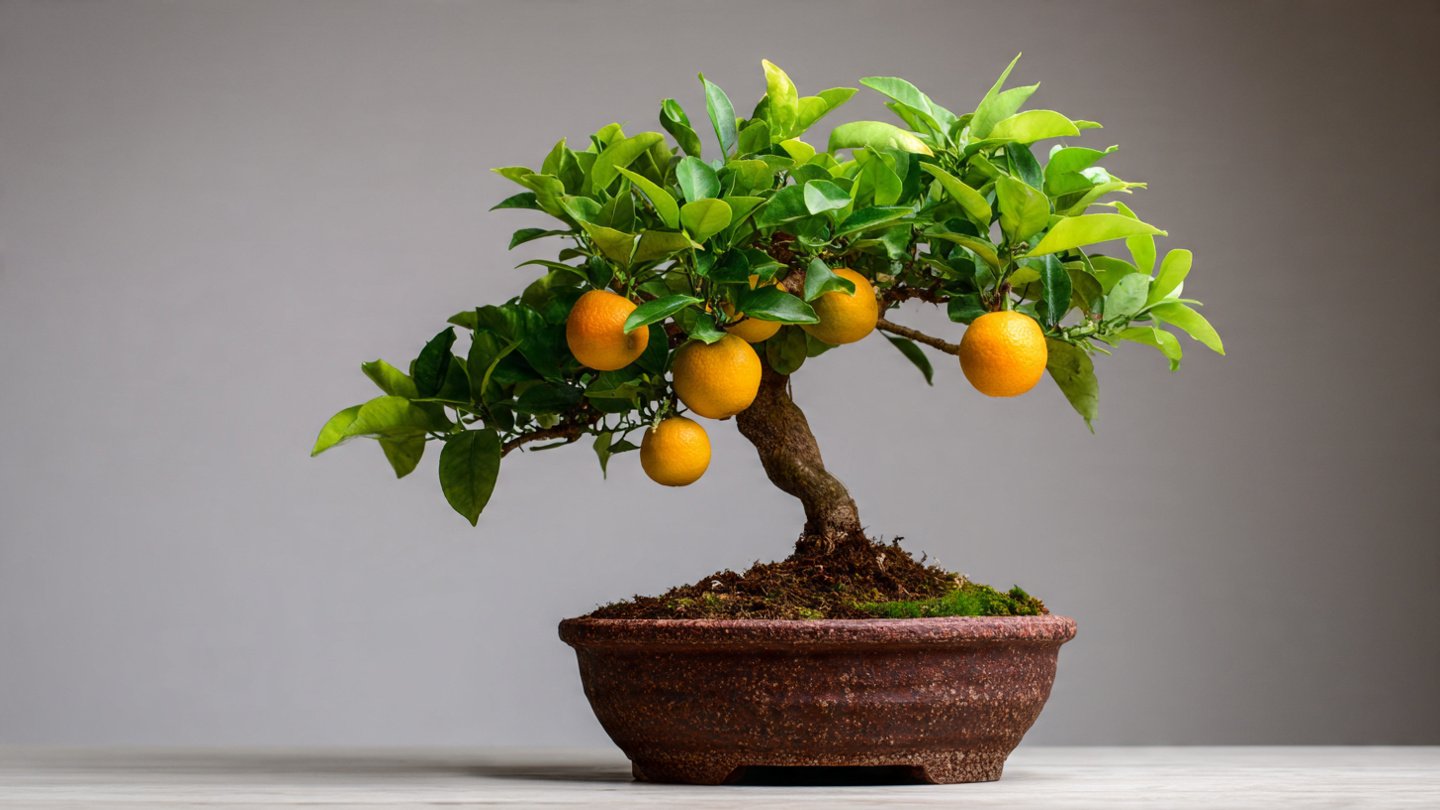
Citrus bonsai trees are a delightful blend of art and horticulture, offering gardeners the joy of nurturing miniature versions of orange, lemon, lime, or kumquat trees. Not only do they provide visual beauty with glossy green leaves and fragrant blossoms, but they also produce fruit in a compact, manageable form. Successfully cultivating a citrus bonsai requires a combination of proper care, patience, and pruning techniques. Among the most effective strategies are the topping and pinching methods, which help shape the tree, promote bushy growth, and encourage fruit production.
This guide will walk you through the process of cultivating a healthy, fruit-bearing citrus bonsai using topping and pinching techniques, along with essential tips on soil, watering, fertilization, and general maintenance.
Understanding Citrus Bonsai
Citrus bonsai are miniature trees that retain the essential characteristics of their full-sized counterparts. They are grown in containers and trained to maintain a small, aesthetically pleasing size while remaining productive. Key traits of citrus bonsai include:
- Evergreen foliage: Most citrus species retain their leaves year-round, providing constant greenery.
- Fragrant blossoms: Flowers often have a strong, pleasant scent that enhances indoor and outdoor spaces.
- Compact fruit: Despite their size, bonsai trees can produce small, edible citrus fruits.
- Manageable size: Ideal for patios, balconies, and indoor gardens.
Because they are container-grown, citrus bonsai require careful attention to soil quality, watering, and pruning to maintain health and promote fruiting.
Why Use Topping and Pinching Techniques?
Topping and pinching are essential pruning techniques for shaping citrus bonsai and encouraging strong, productive growth:
- Topping: This involves cutting back the main stem or branches to control height and encourage lateral growth. Topping prevents the bonsai from becoming too tall and encourages the development of a fuller, bushier canopy.
- Pinching: This method involves removing the tips of new growth with your fingers or pruning tools. Pinching encourages branching, increases foliage density, and improves air circulation within the canopy.
Using these methods together allows gardeners to maintain a balanced, aesthetically pleasing bonsai while maximizing fruiting potential.
Selecting the Right Citrus Species
Not all citrus trees are equally suited for bonsai cultivation. Ideal choices include:
- Calamondin Orange (Citrus × microcarpa): Small fruit and fragrant flowers, ideal for indoor bonsai.
- Meyer Lemon (Citrus × meyeri): Compact growth habit and sweet-tart fruit, perfect for container growth.
- Kumquat (Fortunella spp.): Tiny fruits and upright growth, easy to maintain in small spaces.
- Key Lime (Citrus × aurantiifolia): Thrives in pots and produces abundant flowers and fruit.
Selecting the right species ensures a manageable tree size and successful fruiting in a bonsai format.
Choosing the Right Container and Soil
Proper container selection is critical for citrus bonsai health:
- Container Size: Use a shallow pot that allows for root growth while maintaining a compact size. Bonsai pots with drainage holes are ideal.
- Material: Clay, ceramic, or plastic containers all work, though clay provides better aeration.
- Soil: Citrus bonsai need well-draining, fertile soil. A typical bonsai soil mix includes:
- 40% akadama or loamy soil
- 30% compost or well-rotted organic matter
- 20% pumice or perlite for aeration
- 10% coarse sand for drainage
Proper soil ensures roots are healthy, prevents waterlogging, and supports vigorous growth.
Watering and Moisture Management
Citrus bonsai have relatively high water requirements but are sensitive to overwatering. Follow these tips:
- Consistency: Keep the soil slightly moist, but avoid waterlogged conditions that can lead to root rot.
- Check Daily: In hot or dry climates, bonsai may require daily watering.
- Drainage: Always allow excess water to drain through the pot. Avoid letting the bonsai sit in standing water.
- Humidity: Mist the leaves occasionally, especially in dry indoor environments, to mimic tropical humidity.
Proper watering is critical to maintain healthy leaves, blossoms, and fruit development.
Fertilization for Citrus Bonsai
Citrus bonsai are heavy feeders and benefit from regular nutrition:
- Balanced Fertilizer: Use a balanced NPK fertilizer every 2–4 weeks during the growing season.
- High Nitrogen in Early Growth: Encourage leaf and branch development.
- Phosphorus and Potassium for Fruiting: Support flower and fruit production once the tree matures.
- Organic Amendments: Compost or worm castings can provide a steady release of nutrients and support beneficial microorganisms in the soil.
Consistent fertilization ensures strong growth and abundant fruiting in bonsai citrus trees.
Step-by-Step Guide to Topping and Pinching
Topping
- Timing: Perform topping during active growth, usually in spring or early summer. Avoid pruning during flowering or fruiting.
- Identify the Main Stem: Determine the height at which you want to maintain the tree.
- Make the Cut: Use sterilized bonsai shears to cut just above a leaf node or lateral branch.
- Encourage Lateral Growth: Cutting the main stem stimulates side branches, creating a fuller canopy.
- Monitor Recovery: New shoots will appear within a few weeks; continue to shape as needed.
Pinching
- Identify New Growth: Look for soft, elongated shoots at the tips of branches.
- Remove Tips: Use fingers or small scissors to pinch off 1–2 inches of new growth.
- Encourage Branching: Pinching redirects energy to lateral buds, creating denser foliage.
- Repeat Regularly: Perform pinching every 2–4 weeks during the growing season for optimal shape.
Combining topping and pinching produces a balanced, aesthetically pleasing bonsai with healthy branching and improved fruiting potential.
Flowering and Fruit Production
Citrus bonsai may take 1–3 years to begin flowering, depending on the species and care. Proper topping and pinching techniques support:
- Increased Flower Buds: Lateral growth creates more potential flowering sites.
- Healthy Fruit Development: Pruned trees allocate energy efficiently, resulting in larger and more flavorful fruits.
- Continuous Bloom: Regular maintenance encourages multiple blooming cycles throughout the year.
Maintaining proper pruning, fertilization, and watering ensures that your bonsai thrives both visually and functionally.
Pest and Disease Management
Citrus bonsai are susceptible to common pests and diseases:
- Aphids: Small insects that feed on sap; treat with insecticidal soap or neem oil.
- Spider Mites: Tiny arachnids that cause leaf damage; increase humidity and use miticides if needed.
- Scale Insects: Sticky, small pests; remove manually or treat with horticultural oil.
- Fungal Diseases: Root rot and leaf spot can occur if the soil remains waterlogged; ensure proper drainage.
Regular monitoring and timely intervention prevent infestations and support healthy growth.
Seasonal Care and Maintenance
- Spring: Begin fertilization and perform topping to encourage new growth.
- Summer: Maintain consistent watering and pinching; monitor for pests.
- Autumn: Gradually reduce fertilization; allow the plant to prepare for dormancy if grown outdoors in cooler climates.
- Winter: Protect indoor bonsai from cold drafts and reduce watering frequency.
Seasonal care ensures year-round health and flowering potential.
Benefits of Topping and Pinching for Bonsai
- Shape Control: Maintain a compact, balanced form.
- Bushier Growth: Promotes lateral branching for a fuller canopy.
- Increased Fruit Production: Energy is directed toward productive branches.
- Aesthetic Appeal: Creates a visually pleasing miniature tree that mimics natural forms.
These techniques are essential for both beginner and experienced bonsai growers seeking beautiful, fruit-bearing trees.
Conclusion
Cultivating a citrus bonsai using the topping and pinching methods is a rewarding and effective way to create a miniature, fruit-bearing tree that combines beauty with functionality. By selecting the right species, providing proper soil, water, and fertilizer, and applying regular pruning techniques, gardeners can achieve a lush, vibrant bonsai that produces flowers and fruit for years.
The topping method encourages lateral growth, while pinching refines branching and increases foliage density, both contributing to a healthy, balanced canopy. Combined with consistent care, seasonal maintenance, and pest management, these techniques ensure that your citrus bonsai thrives, delighting both your eyes and your palate.
Whether grown indoors or outdoors, citrus bonsai offer endless satisfaction through their elegant form, fragrant blossoms, and compact, manageable fruit production. Mastering the art of topping and pinching transforms the cultivation process into a creative and rewarding journey, allowing you to enjoy a miniature citrus paradise in your home or garden.