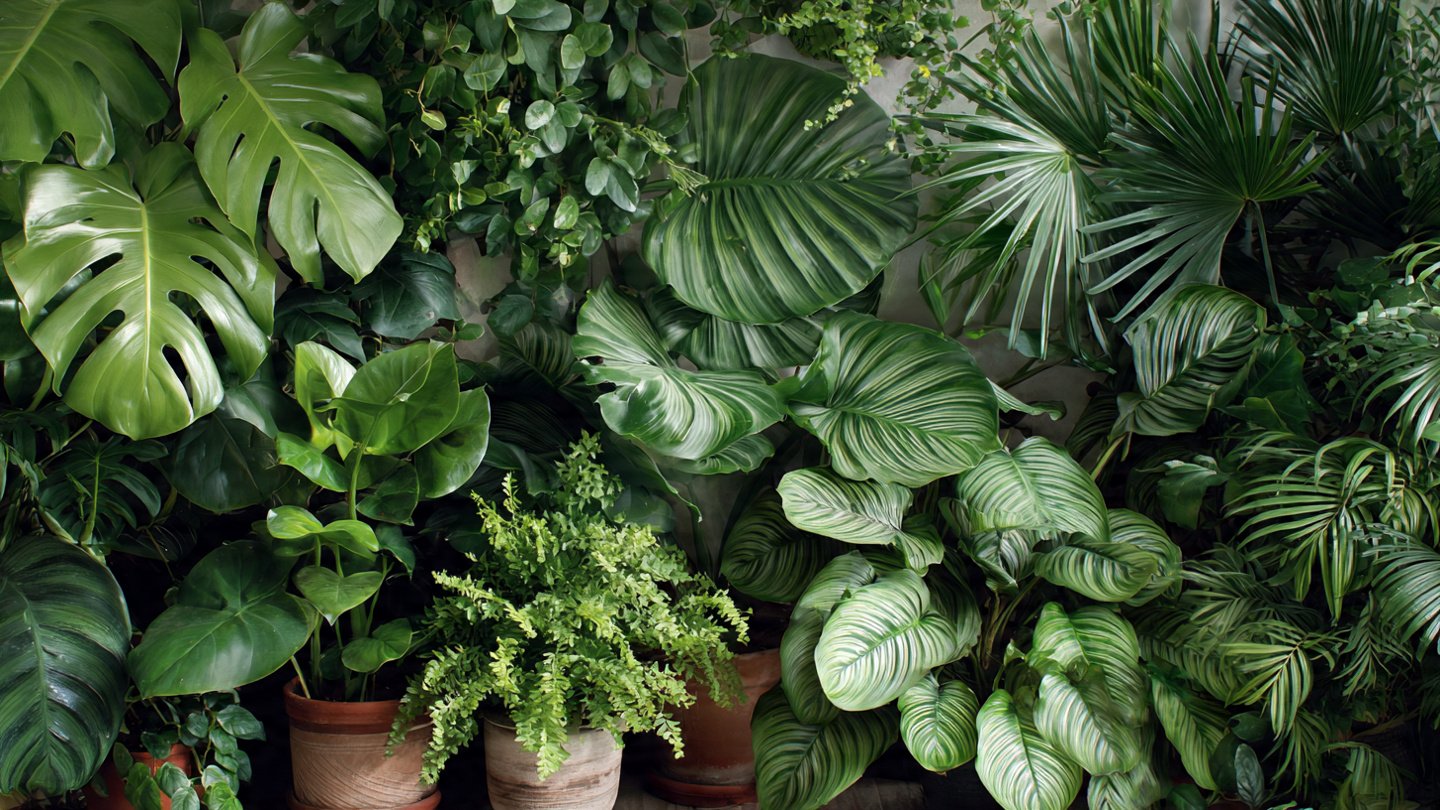
Foliage houseplants have become an essential part of modern homes, adding life, color, and a sense of calm to indoor spaces. From lush green leaves to striking patterns and textures, foliage plants are prized not for their flowers but for the beauty of their leaves. While they may seem easy to care for, achieving consistently lush, healthy growth requires understanding their basic needs and creating the right environment. This comprehensive guide will walk you through the best practices to grow thriving foliage houseplants and maintain vibrant greenery all year round.
Understanding Foliage Houseplants
Foliage houseplants originate from diverse natural habitats, most commonly tropical and subtropical forests. In these environments, plants grow under tree canopies with filtered light, warm temperatures, high humidity, and well-draining soil rich in organic matter. When grown indoors, the goal is to mimic these conditions as closely as possible. Once you understand where your plants come from, it becomes much easier to meet their needs and avoid common mistakes.
Choosing the Right Plant for Your Space
Successful indoor gardening begins with selecting plants that suit your home environment. Light availability is the most important factor. Some foliage plants thrive in bright, indirect light, while others adapt well to low-light corners. Before buying a plant, observe your space throughout the day and note how much sunlight it receives.
Also consider your lifestyle. If you travel often or forget to water, choose hardy, low-maintenance foliage plants. If you enjoy daily plant care, you can experiment with more delicate varieties. Matching the plant’s requirements with your routine greatly increases the chances of success.
Light: The Foundation of Healthy Growth
Light fuels photosynthesis, making it essential for lush foliage. Most foliage houseplants prefer bright, indirect light. Direct sunlight, especially through glass, can scorch leaves, causing brown patches and fading colors. On the other hand, insufficient light results in slow growth, smaller leaves, and pale or leggy plants.
Place plants near windows with filtered light or use sheer curtains to diffuse strong sun. In low-light homes, rotating plants closer to brighter areas occasionally can help maintain even growth. If natural light is limited, supplemental grow lights can be a reliable alternative.
Watering the Right Way
Improper watering is the most common reason foliage houseplants fail. Overwatering leads to root rot, while underwatering causes wilting and crispy leaves. The key is balance and consistency.
Always check the soil before watering. Insert your finger a few centimeters into the soil—if it feels dry, it’s time to water. Water thoroughly until excess drains from the bottom of the pot, ensuring the entire root ball is hydrated. Never let plants sit in standing water, as this suffocates roots.
Different plants have different water needs, so avoid a fixed watering schedule. Seasonal changes also matter—plants generally need less water in cooler months when growth slows.
Soil and Potting Essentials
Healthy foliage starts below the surface. Well-draining soil is crucial, as compacted or heavy soil traps excess moisture and deprives roots of oxygen. A quality potting mix with organic matter provides nutrients while allowing water to flow freely.
Choosing the right pot is equally important. Pots should always have drainage holes. When roots outgrow their container, growth slows and leaves may lose vigor. Repotting every one to two years refreshes the soil, provides more space for roots, and encourages new leaf growth.
Temperature and Humidity Matters
Most foliage houseplants prefer warm, stable temperatures similar to those comfortable for humans. Sudden temperature changes, cold drafts, or heat from appliances can stress plants and damage leaves.
Humidity plays a major role in leaf health, especially for tropical foliage plants. Dry indoor air can cause leaf edges to brown or curl. Increasing humidity through misting, placing water trays nearby, or grouping plants together can significantly improve foliage quality.
Feeding for Lush Leaves
Foliage plants require nutrients to produce strong stems and vibrant leaves. Regular feeding during the active growing season supports healthy growth. Use a balanced, diluted liquid fertilizer to avoid overfeeding, which can burn roots and damage foliage.
During slower growth periods, reduce or stop fertilizing. Always follow recommended guidelines, as more fertilizer does not mean faster or better growth.
Pruning and Cleaning
Pruning encourages bushier growth and prevents plants from becoming leggy. Remove yellowing, damaged, or old leaves using clean, sharp tools. This not only improves appearance but also directs energy toward new growth.
Dust can accumulate on leaves, blocking light and reducing photosynthesis. Gently wiping leaves with a damp cloth keeps them clean and allows them to breathe. Avoid using leaf shine products, as they can clog pores and cause long-term damage.
Preventing Pests and Problems
Healthy plants are less likely to attract pests, but indoor conditions can sometimes invite insects. Regular inspection helps catch issues early. Look under leaves and along stems for signs of infestation.
Maintaining proper watering, good air circulation, and cleanliness goes a long way in preventing problems. If pests appear, isolate the affected plant and address the issue promptly using gentle, plant-safe methods.
Consistency Is the Secret
The best way to achieve lush greenery with foliage houseplants is consistency. Sudden changes in light, water, or temperature can shock plants and slow growth. Establish a routine that works for your home and stick to it. Over time, your plants will adapt, reward you with steady growth, and become more resilient.
Conclusion
Growing lush, vibrant foliage houseplants is both an art and a science. By understanding their natural preferences and providing the right balance of light, water, soil, humidity, and care, anyone can create a thriving indoor garden. With patience and attention, foliage plants transform living spaces into refreshing green sanctuaries, improving both aesthetics and well-being. Whether you’re a beginner or an experienced plant lover, following these proven practices will help you enjoy healthy, beautiful greenery for years to come.