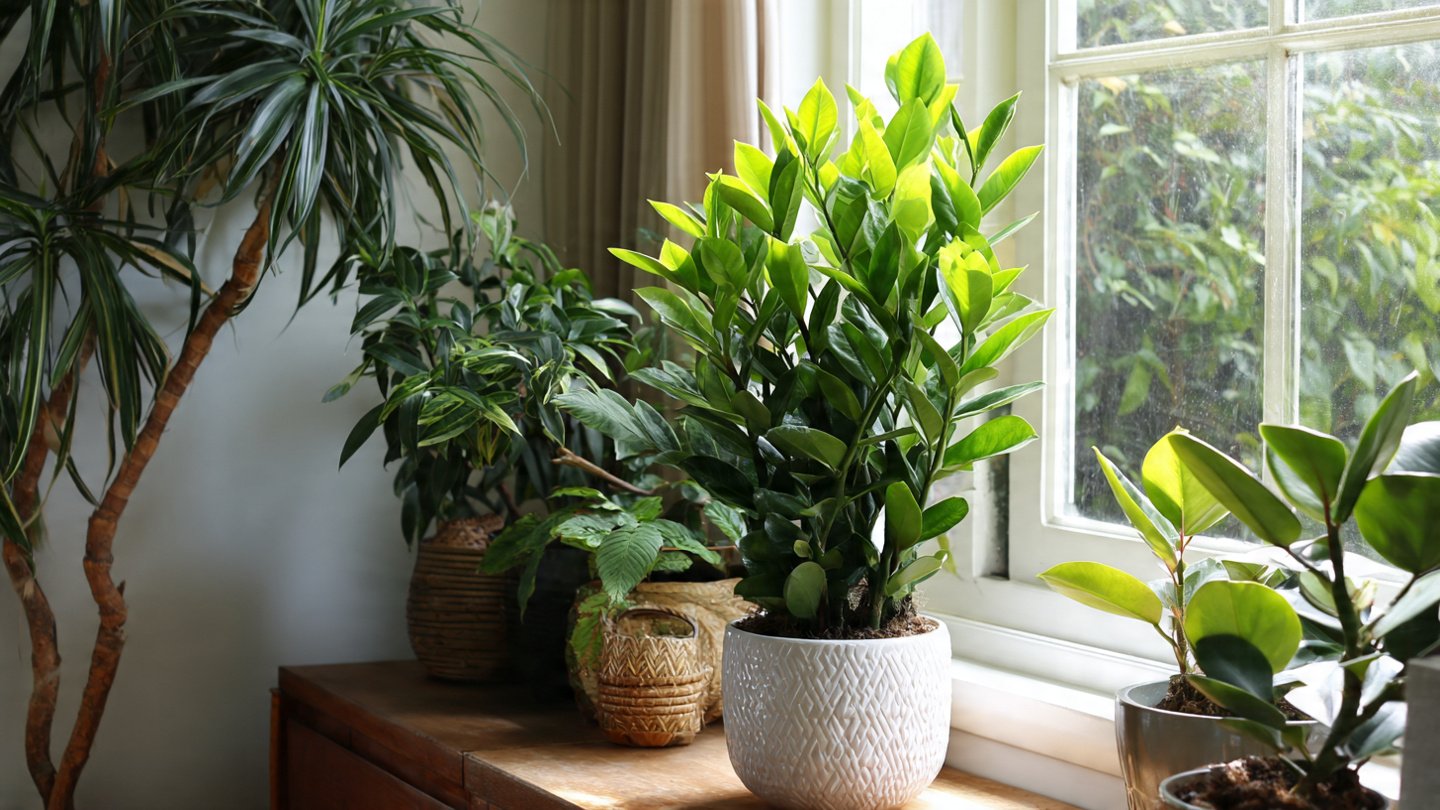
Foliage houseplants bring life, texture, and calm into indoor spaces. Their rich greens and varied leaf shapes can transform a plain room into a refreshing sanctuary. While many people admire healthy houseplants, achieving consistently lush, green growth often feels challenging. Yellowing leaves, slow growth, or leggy stems can discourage even enthusiastic plant lovers. The good news is that vibrant foliage isn’t a mystery—it’s the result of understanding and meeting a few essential plant needs. This comprehensive guide will walk you through the best ways to grow thriving foliage houseplants that stay healthy year-round.
Understanding What Foliage Plants Really Need
Foliage plants are grown primarily for their leaves rather than flowers. Because of this, their care focuses on steady growth, rich leaf color, and strong structure. Most common foliage houseplants originate from tropical or subtropical regions, where light is filtered, humidity is high, and temperatures remain fairly stable. Recreating these conditions indoors is the foundation of success.
Plants respond best when their environment remains consistent. Sudden changes in light, temperature, or watering habits can stress them, leading to poor growth. By learning how light, water, soil, nutrients, and humidity work together, you can create an indoor environment where foliage plants truly flourish.
Providing the Right Light for Healthy Leaves
Light is the primary energy source for plants, and foliage plants vary widely in their light requirements. Some thrive in bright, indirect light, while others tolerate lower light conditions. Understanding your plant’s preference is crucial.
Bright, indirect light is ideal for most foliage houseplants. This means placing plants near a window where sunlight is filtered through curtains or reflected off walls. Direct sun can scorch leaves, while too little light results in pale color and stretched growth. If natural light is limited, using grow lights can help maintain compact, vibrant foliage throughout the year.
Watering Wisely for Strong Growth
Improper watering is one of the most common reasons foliage plants struggle. Overwatering can cause root rot, while underwatering leads to wilting and leaf drop. The key is balance and observation.
Most foliage plants prefer evenly moist soil but not soggy conditions. Allow the top layer of soil to dry slightly before watering again. Always check drainage—pots should have holes that allow excess water to escape. Water thoroughly so moisture reaches the entire root system, but never let plants sit in standing water. Adjust your watering schedule with the seasons, as plants typically need less water during cooler, darker months.
Choosing the Best Soil and Containers
Healthy roots are essential for lush foliage, and the right soil makes all the difference. Foliage plants need loose, well-draining soil that retains some moisture without becoming compacted. A quality indoor plant potting mix is usually sufficient, but adding ingredients like perlite or coco coir can improve aeration and drainage.
Containers also play a role in growth. Pots that are too large can hold excess moisture, while pots that are too small can restrict root development. Choose a container that allows roots to grow comfortably, and repot when you notice roots circling the pot or growing out of drainage holes.
Feeding for Rich Green Color
Nutrients fuel leaf production and maintain deep green color. Over time, nutrients in potting soil become depleted, so regular feeding is important. Use a balanced, water-soluble fertilizer designed for houseplants, applying it during the active growing season.
Avoid over-fertilizing, as this can cause salt buildup in the soil and damage roots. Signs of nutrient imbalance include leaf burn, yellowing, or unusually weak growth. Feeding lightly but consistently is more effective than infrequent heavy doses.
Maintaining Ideal Temperature and Humidity
Most foliage houseplants prefer warm, stable temperatures similar to typical indoor conditions. Sudden temperature drops, cold drafts, or hot air from heaters can stress plants and cause leaf damage. Keeping plants away from doors, vents, and radiators helps maintain a stable environment.
Humidity is another critical factor, especially for tropical foliage plants. Dry indoor air can lead to brown leaf edges and slow growth. Increasing humidity by grouping plants together, using a pebble tray with water, or running a humidifier can significantly improve leaf quality and overall plant health.
Pruning and Cleaning for Better Growth
Regular maintenance encourages fuller, healthier foliage. Pruning removes damaged or yellowing leaves, allowing the plant to redirect energy toward new growth. It also improves air circulation, reducing the risk of pests and disease.
Cleaning leaves is often overlooked but extremely beneficial. Dust buildup blocks light and interferes with photosynthesis. Gently wiping leaves with a damp cloth not only keeps them looking attractive but also helps the plant absorb light more efficiently.
Preventing and Managing Common Problems
Even with excellent care, foliage plants can occasionally face issues. Pests such as spider mites or mealybugs can weaken plants if left untreated. Regular inspection helps catch problems early. If pests appear, isolating the affected plant and using gentle treatments like neem oil or insecticidal soap can resolve the issue.
Yellowing leaves, leaf drop, or stunted growth often signal environmental stress rather than disease. Reviewing light, water, and humidity conditions usually reveals the cause. Small adjustments can quickly restore plant health.
Creating a Routine for Long-Term Success
Consistency is the secret to lush, green foliage. Establishing a simple care routine—checking soil moisture, observing leaf color, and rotating plants for even light—helps prevent most problems. Plants respond positively when their needs are met regularly rather than sporadically.
Over time, you’ll learn to read your plants. Subtle changes in leaf texture or color often indicate what they need. This awareness transforms plant care from guesswork into a rewarding, intuitive practice.
Enjoying the Beauty of Thriving Foliage Plants
Growing lush foliage houseplants is both an art and a science. By understanding their natural preferences and providing consistent care, you can enjoy vibrant greenery that enhances your living space and well-being. Healthy foliage plants not only beautify your home but also create a calming, refreshing atmosphere.
With the right balance of light, water, nutrition, and attention, your houseplants will reward you with strong growth, rich color, and lasting vitality. Whether you’re a beginner or an experienced plant enthusiast, these principles will help you achieve the lush, green indoor garden you’ve always wanted.