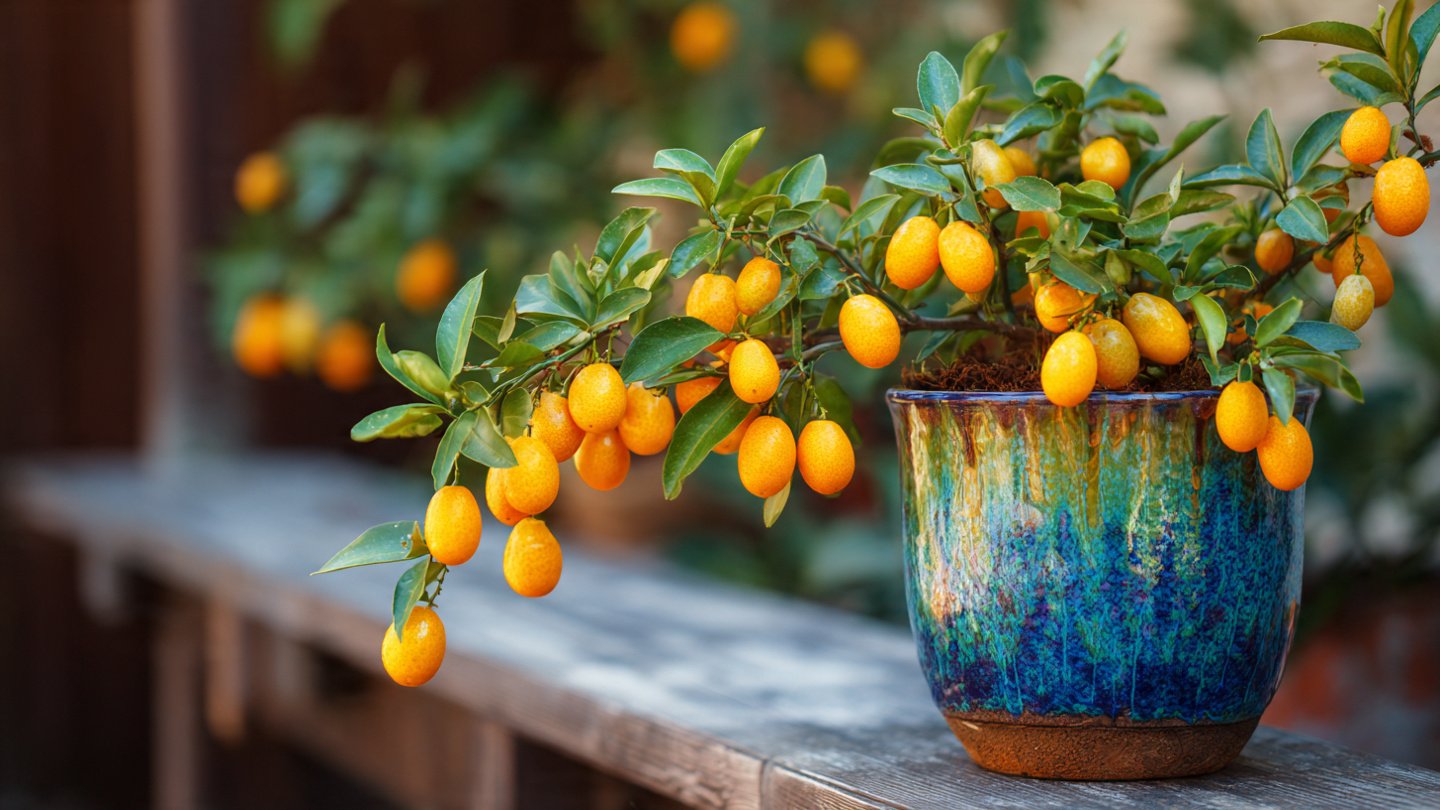
Container gardening has opened new possibilities for fruit lovers who lack large garden spaces. Among the most rewarding citrus plants for pots is the kumquat. Compact, attractive, and highly productive, kumquat trees adapt beautifully to containers and reward growers with sweet-tart fruits that can be eaten whole. This detailed guide will walk you through everything you need to know to successfully grow kumquats in containers and enjoy a bountiful harvest year after year.
Why Choose Kumquats for Container Gardening?
Kumquats are naturally small citrus trees, making them ideal for container cultivation. Unlike many other citrus fruits, their peel is sweet while the flesh is tangy, offering a unique flavor profile. Beyond fruit production, kumquat trees are also ornamental, with glossy green leaves, fragrant white flowers, and bright orange fruits that add visual appeal to balconies, patios, and terraces.
Another advantage is their relative tolerance to cooler temperatures compared to other citrus varieties. This makes them suitable for a wider range of climates when grown in pots, as they can be moved indoors or to sheltered areas during harsh weather.
Selecting the Right Kumquat Variety
When growing kumquats in containers, choosing the right variety is essential. Dwarf or semi-dwarf types are best suited for pots. Popular container-friendly varieties typically have compact growth habits and produce heavily even in limited root space. When purchasing a plant, look for a healthy specimen with strong stems, deep green leaves, and no signs of pests or disease.
Choosing the Perfect Container
The container plays a crucial role in the success of your kumquat tree. Start with a pot that is at least 12–14 inches in diameter for young plants. As the tree grows, you may need to move it into a larger container, eventually reaching 18–24 inches in diameter.
Ensure the pot has sufficient drainage holes. Citrus trees dislike sitting in waterlogged soil, which can lead to root rot. Materials like terracotta, ceramic, or sturdy plastic all work well, as long as drainage is adequate.
Soil Mix for Healthy Growth
Kumquats thrive in well-draining, nutrient-rich soil. A high-quality citrus potting mix is ideal, but you can also create your own blend by mixing garden soil, compost, and coarse sand or perlite. The goal is a loose, airy medium that retains moisture without becoming soggy.
The soil pH should be slightly acidic to neutral. Good soil structure encourages healthy root development, which directly impacts flowering and fruiting.
Light Requirements
Sunlight is one of the most important factors in kumquat container gardening. Place your plant where it can receive at least 6–8 hours of direct sunlight daily. A sunny balcony, terrace, or south-facing window is ideal.
If natural sunlight is limited, supplemental grow lights can help maintain healthy growth, especially during winter months. Insufficient light often leads to weak growth, fewer flowers, and poor fruit set.
Watering Wisely
Consistent watering is key to a thriving kumquat tree. The soil should be kept evenly moist but never waterlogged. Water thoroughly when the top inch of soil feels dry, allowing excess water to drain freely from the pot.
During hot weather, container plants may need more frequent watering, sometimes daily. In cooler months, reduce watering slightly but never allow the soil to dry out completely. Overwatering and underwatering are both common causes of leaf drop and poor fruit production.
Feeding for Abundant Harvests
Kumquats are heavy feeders, especially when grown in containers. Use a balanced citrus fertilizer that contains nitrogen, phosphorus, potassium, and essential micronutrients like magnesium and iron.
Feed your plant every 4–6 weeks during the active growing season. In cooler months, reduce or stop fertilizing as growth slows. Regular feeding supports lush foliage, abundant flowering, and healthy fruit development.
Pruning and Training
Pruning helps maintain a compact shape and encourages better airflow and light penetration. Remove dead, damaged, or crossing branches as needed. Light pruning after harvesting can help keep the tree manageable in size.
Avoid heavy pruning, as kumquats fruit on new growth. Gentle shaping and occasional thinning are usually sufficient to keep the plant healthy and productive.
Flowering and Pollination
Kumquat trees produce fragrant white flowers that are usually self-pollinating. When grown outdoors, natural pollinators handle the job. If your plant is kept indoors during flowering, you may need to hand-pollinate using a soft brush to transfer pollen between flowers.
Proper light, nutrition, and consistent watering all contribute to successful flowering and fruit set.
Managing Pests and Diseases
Container-grown kumquats are generally easier to monitor for pests. Common issues include aphids, spider mites, and scale insects. Regularly inspect the leaves and stems, especially the undersides of leaves.
If pests appear, treat them promptly with neem oil or insecticidal soap. Maintaining good airflow and avoiding overwatering also helps prevent fungal diseases.
Seasonal Care and Temperature Management
While kumquats are more cold-tolerant than many citrus trees, they still need protection from frost. In cooler climates, move containers indoors or to a sheltered location during winter. Bright light and moderate watering are sufficient during this resting period.
In warmer regions, ensure the pot does not overheat in extreme summer heat. Providing partial shade during the hottest part of the day can prevent stress and leaf scorch.
Harvesting Your Kumquats
Kumquats are typically ready to harvest when they turn bright orange and feel slightly soft to the touch. Unlike some fruits, they do not continue to ripen significantly after picking, so harvest them at peak color and flavor.
Regular harvesting encourages the tree to produce more fruit. Fresh kumquats can be eaten raw, used in preserves, or added to both sweet and savory dishes.
Final Thoughts
Mastering kumquat container gardening is a rewarding journey that combines beauty, fragrance, and delicious harvests. With the right container, proper care, and a bit of patience, even beginners can enjoy homegrown kumquats in small spaces. By paying attention to sunlight, watering, nutrition, and seasonal care, your kumquat tree can thrive for years, providing both ornamental value and an abundant supply of unique citrus fruits.