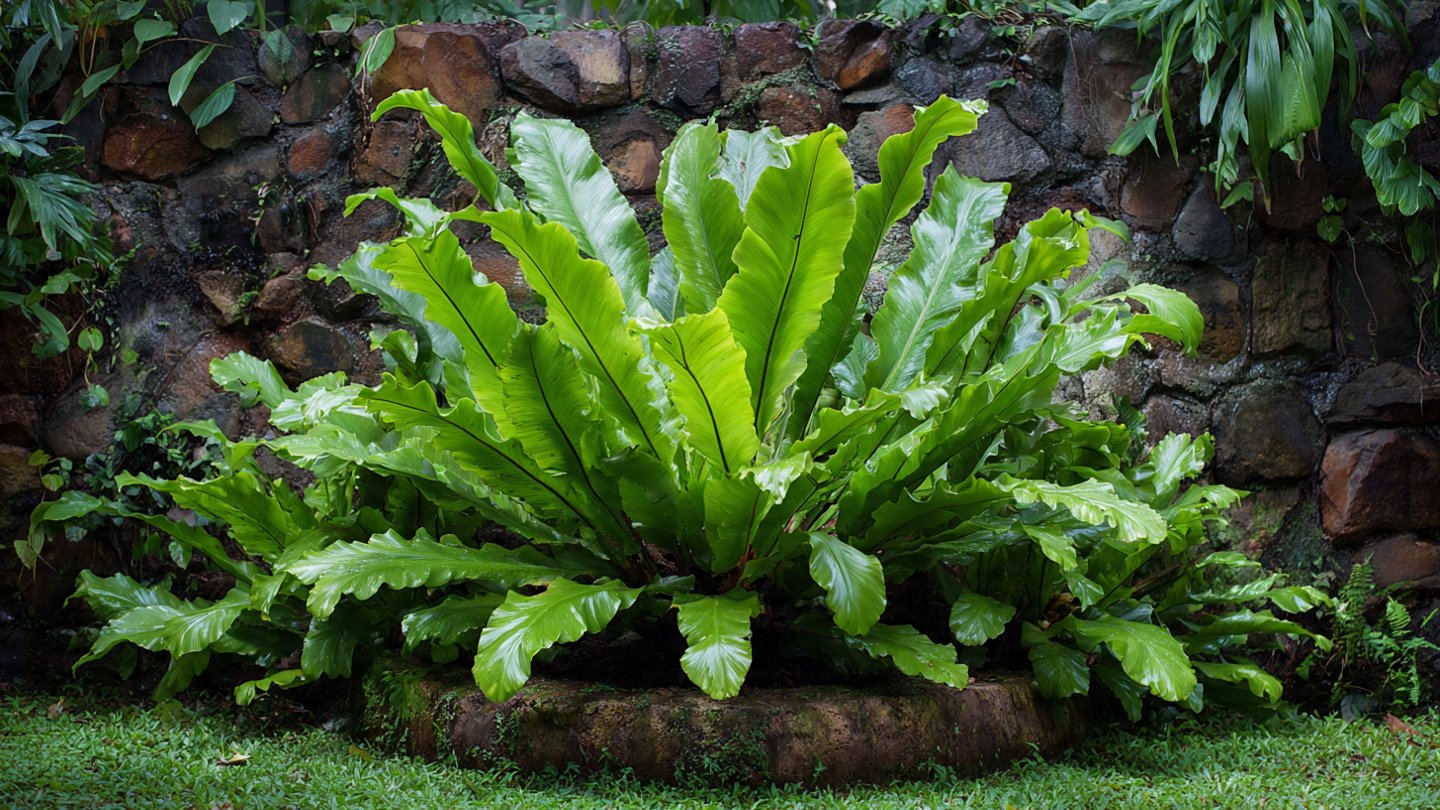
Bird’s nest fern is one of the most striking foliage plants you can grow in a tropical landscape. With its broad, glossy, apple-green fronds forming a dramatic rosette, this fern instantly adds a lush, rainforest feel to gardens, patios, and shaded outdoor spaces. While it looks exotic and delicate, bird’s nest fern is surprisingly easy to grow when its natural habitat is understood and replicated.
This comprehensive guide will walk you through everything you need to know to successfully grow bird’s nest fern in a tropical setting—from choosing the right location and soil to watering, feeding, and long-term care.
Understanding the Natural Habitat of Bird’s Nest Fern
To grow bird’s nest fern successfully, it helps to understand how it grows in nature. In tropical rainforests, this fern is often found growing as an epiphyte on tree trunks or nestled in rock crevices. It thrives in warm temperatures, high humidity, filtered light, and constant moisture without waterlogging.
The plant’s unique rosette shape acts like a natural bowl, collecting rainwater, fallen leaves, and organic debris. This slow accumulation of nutrients feeds the fern over time. Recreating these conditions in your landscape is the key to healthy growth.
Choosing the Perfect Location
Location is the most important factor in growing bird’s nest fern outdoors. This fern prefers bright, indirect light rather than direct sun. Too much sunlight can scorch the leaves, causing brown patches and curled edges.
Ideal locations include:
- Under the canopy of large trees
- On the shaded side of a building
- Near walls or fences that block harsh afternoon sun
Morning light with afternoon shade works best. In full shade, growth may slow, while direct midday sun can damage the fronds.
Soil and Growing Medium Requirements
Bird’s nest fern needs a loose, well-draining, organic-rich growing medium. In tropical landscapes, heavy clay soil should be amended to prevent water stagnation.
An ideal soil mix includes:
- Garden soil or loam
- Compost or well-decomposed leaf mold
- Coco peat or peat moss
- Coarse sand or perlite for drainage
If planting near rocks or trees, ensure the roots can anchor securely while still receiving enough organic matter. Good drainage is essential, as standing water can cause root rot.
Planting Bird’s Nest Fern in the Landscape
When planting bird’s nest fern outdoors, dig a shallow hole slightly wider than the root ball. Avoid burying the crown—the center of the rosette—too deeply, as this can trap water and cause rot.
Gently place the plant in position, backfill with the prepared soil mix, and firm lightly. Water thoroughly to help settle the soil. Mulching with dry leaves or bark chips helps retain moisture and mimics the fern’s natural forest floor environment.
Watering: The Right Balance
Bird’s nest fern loves moisture but dislikes soggy conditions. In tropical climates, regular rainfall often provides sufficient water, but supplemental watering may be needed during dry spells.
Watering tips:
- Keep the soil consistently moist, not waterlogged
- Water early in the morning to allow excess moisture to evaporate
- Avoid pouring water directly into the center of the rosette for long periods
Light misting during hot, dry weather helps maintain humidity and keeps the fronds fresh and vibrant.
Humidity and Temperature Needs
High humidity is essential for lush growth. Tropical climates naturally provide favorable conditions, but ferns planted in open or windy areas may benefit from extra humidity support.
Bird’s nest fern thrives in temperatures between 18°C and 32°C. It does not tolerate cold well, so in regions with occasional cool spells, planting in protected areas is recommended. Sudden temperature drops can slow growth and cause leaf damage.
Feeding and Fertilization
Although bird’s nest fern is not a heavy feeder, occasional fertilization encourages fuller growth and deeper leaf color. Organic feeding works best in tropical landscapes.
Use:
- Compost or vermicompost every 2–3 months
- Diluted liquid organic fertilizer once a month during active growth
Avoid strong chemical fertilizers, especially those high in salts, as they can burn the roots and damage sensitive fronds.
Pruning and Routine Maintenance
Bird’s nest fern requires minimal pruning. Remove yellow, damaged, or old fronds by cutting them at the base using clean tools. This improves airflow and keeps the plant looking neat.
Do not cut healthy green fronds unnecessarily, as they are essential for photosynthesis and overall plant strength. Regularly clear debris that may collect around the base to prevent pests and fungal issues.
Common Problems and Solutions
Even in ideal conditions, bird’s nest fern may face occasional issues:
- Brown leaf tips: Usually caused by low humidity or underwatering
- Yellowing leaves: Overwatering or poor drainage
- Scorched patches: Too much direct sunlight
Adjust watering, improve drainage, and relocate the plant if light conditions are too harsh.
Landscape Uses and Design Ideas
Bird’s nest fern is incredibly versatile in tropical landscaping. It works beautifully as:
- A ground-level accent under trees
- A focal plant near water features
- A lush border plant in shaded gardens
Its bold texture pairs well with palms, calatheas, philodendrons, and other shade-loving tropical plants.
Final Thoughts
Growing bird’s nest fern in a tropical landscape is both rewarding and simple when you follow its natural preferences. By providing filtered light, rich well-draining soil, consistent moisture, and high humidity, you can enjoy a thriving, vibrant fern that enhances the beauty of your garden year-round.
With minimal care and the right environment, bird’s nest fern becomes a long-lasting statement plant—bringing the calm, refreshing feel of a tropical rainforest right into your outdoor space.