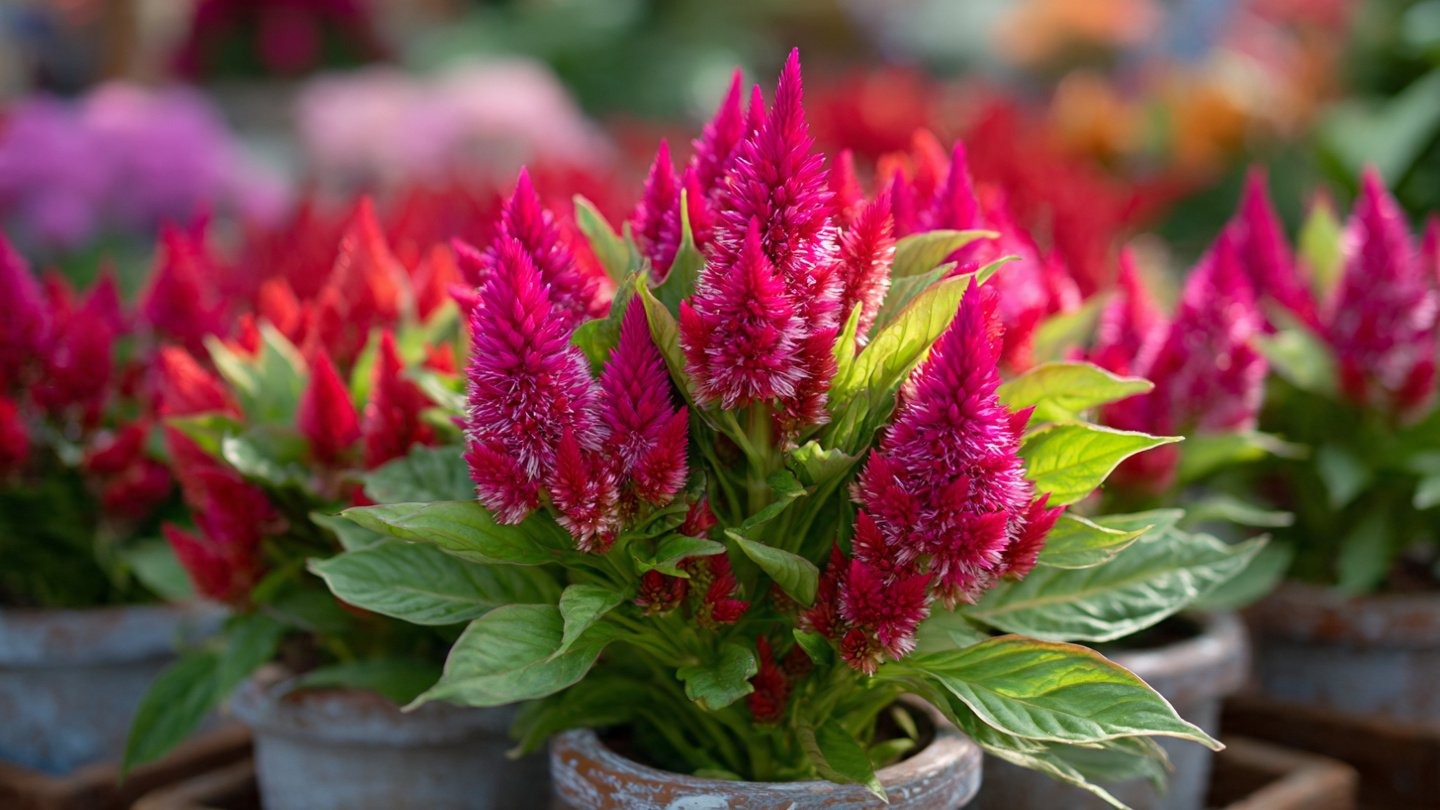
For gardeners looking to brighten up their outdoor space with vibrant colors, Celosia is an ideal choice. Known for its striking flame-like blooms in shades of red, orange, yellow, and pink, Celosia not only adds visual appeal but also thrives well in containers and small garden areas. If you’ve ever struggled with limited garden space, growing Celosia in pots is the perfect solution. With the right approach, you can maximize your garden space and enjoy a lush, colorful display all season long. This guide will walk you through everything you need to know to grow Celosia in pots successfully, from selecting varieties to care and maintenance.
Why Grow Celosia in Pots
Growing Celosia in containers offers multiple benefits, especially for gardeners with limited space:
- Space-saving: Ideal for balconies, patios, small yards, or indoor areas with sunlight.
- Mobility: Containers can be moved for optimal light, temperature, or aesthetic arrangement.
- Vibrant blooms: Container-grown Celosia often produces brighter and more compact flowers.
- Easy care: Potted plants are easier to manage for watering, fertilization, and pruning.
- Versatility: Mix different colors and varieties in one pot or display multiple pots for maximum visual impact.
Celosia’s adaptability to container growth makes it perfect for maximizing garden space without compromising beauty.
Choosing the Right Celosia Varieties
Selecting the right variety ensures your container garden thrives:
- Cockscomb Celosia (Celosia argentea var. cristata): Features unique, brain-like flowers that make a bold statement.
- Plume Celosia (Celosia spicata): Tall, feathery plumes ideal for adding height to container arrangements.
- Dwarf Celosia: Compact plants perfect for small pots or tabletop displays.
- Bright mix varieties: Multicolor mixes are great for creating vibrant displays in small spaces.
Mixing tall and dwarf varieties in different containers allows you to create layers of color and texture, enhancing the visual impact of limited space.
Selecting the Right Pots
The right container is crucial for healthy Celosia growth:
- Size: Choose pots at least 20–25 cm deep for dwarf varieties, and 30–40 cm or larger for taller types.
- Material: Terracotta, ceramic, or plastic pots work well, but ensure proper drainage.
- Drainage: Holes at the bottom prevent waterlogging, which can cause root rot.
- Shape: Wider pots allow multiple plants to grow together, maximizing blooms in a small area.
Selecting suitable pots ensures proper root development and vibrant, long-lasting flowers.
Preparing the Soil
Celosia prefers well-draining soil rich in nutrients:
- Use a loamy, well-drained potting mix with added compost or organic matter.
- Avoid heavy, clay-rich soil, which retains too much water.
- Slightly acidic to neutral soil (pH 6.0–7.0) works best.
- Mixing perlite or sand into your soil improves aeration and drainage for container-grown plants.
Healthy soil ensures robust growth, strong stems, and vibrant flowers.
Planting Celosia in Pots
Planting correctly maximizes growth and bloom production:
- Seed sowing: Start seeds in seed trays or directly in the pot 0.5–1 cm deep. Keep the soil consistently moist until germination (7–10 days).
- Transplanting seedlings: Move seedlings to larger pots once they develop 2–3 true leaves. Space 3–5 cm apart for dwarf varieties, and 10–15 cm for taller ones.
- Depth: Plant seedlings so the root ball is level with the soil surface.
- Watering after planting: Water lightly to settle the soil but avoid overwatering.
Proper planting ensures strong, healthy plants capable of producing abundant blooms.
Watering Celosia in Containers
Watering is crucial to maintain vibrant foliage and flowers:
- Frequency: Water regularly to keep the soil moist but not soggy. Typically 2–3 times a week, adjusting for temperature and pot size.
- Technique: Water at the base, avoiding splashing onto leaves and flowers to reduce fungal risk.
- Container consideration: Pots dry out faster than garden beds, so check moisture daily during hot weather.
- Signs of under-watering: Wilting leaves or stunted blooms indicate the need for more water.
Consistent watering keeps Celosia healthy, vibrant, and flowering continuously.
Fertilizing for Continuous Blooms
Celosia in pots requires proper nutrition for nonstop flowering:
- Use a balanced liquid fertilizer every 2–3 weeks during the growing season.
- Apply slow-release granular fertilizer at the start of planting for consistent nutrient supply.
- Avoid over-fertilization, which can lead to excessive leaf growth at the expense of flowers.
- Organic options like compost tea or seaweed extract can enhance soil health and flower color.
Fertilizing properly ensures lush foliage, strong stems, and vibrant, long-lasting blooms.
Deadheading and Pruning
Maintaining your Celosia by removing spent flowers prolongs bloom time:
- Pinch off faded blooms regularly to encourage new flower production.
- Remove dead or yellowing leaves to improve airflow and prevent disease.
- Lightly trim tall varieties to promote bushier growth and more flowers.
Routine deadheading keeps your potted Celosia looking fresh and encourages continuous flowering.
Maximizing Space With Container Arrangement
Strategic placement of Celosia pots maximizes garden space and visual impact:
- Layering: Use taller varieties at the back and dwarf varieties in front for a tiered effect.
- Grouping: Cluster pots of different colors and sizes for a vibrant display.
- Balcony or railing placement: Utilize vertical space with hanging pots or shelves.
- Rotating pots: Move containers to capture optimal sunlight or create new arrangements in limited space.
Smart placement ensures a full, colorful display even in small garden areas.
Pest and Disease Management
Celosia is generally hardy but may face minor pests or fungal issues in pots:
- Aphids or mealybugs: Spray with neem oil or insecticidal soap.
- Fungal issues: Ensure proper drainage and airflow; avoid wetting leaves.
- Root rot: Prevent overwatering and choose pots with good drainage.
- Monitoring: Check plants weekly for early signs of pests or disease.
Preventive care keeps your Celosia healthy and blooming continuously.
Seasonal Care
Celosia grows best in warm, sunny conditions, but seasonal care can enhance growth:
- Spring and summer: Optimal growth with regular watering, fertilization, and sunlight.
- Autumn: Reduce watering slightly; deadhead spent flowers.
- Winter: Protect potted Celosia from frost if outdoors; move indoors if necessary.
Adjusting care seasonally ensures maximum bloom production year-round.
Enjoying Celosia From Your Potted Garden
Potted Celosia offers multiple ways to enhance your home or garden:
- Use flowers in fresh bouquets or floral arrangements.
- Brighten patios, balconies, and window sills with vibrant colors.
- Combine with other container flowers for a dynamic, layered display.
- Companion plant with herbs or vegetables for visual appeal and functional gardening.
Container-grown Celosia provides flexibility, practicality, and continuous visual delight.
Final Thoughts
Growing Celosia in pots is an easy, space-saving way to enjoy vibrant blooms throughout the season. By selecting the right varieties, preparing well-draining soil, watering consistently, providing balanced fertilization, and using proper deadheading and pruning techniques, you can maximize your garden space and create a colorful, thriving display.
Even with limited space, container gardening allows your Celosia to flourish, offering stunning visual appeal and continuous blooms. Whether on a balcony, patio, or small garden plot, this easy method ensures you enjoy healthy, long-lasting flowers and make the most of your gardening area.