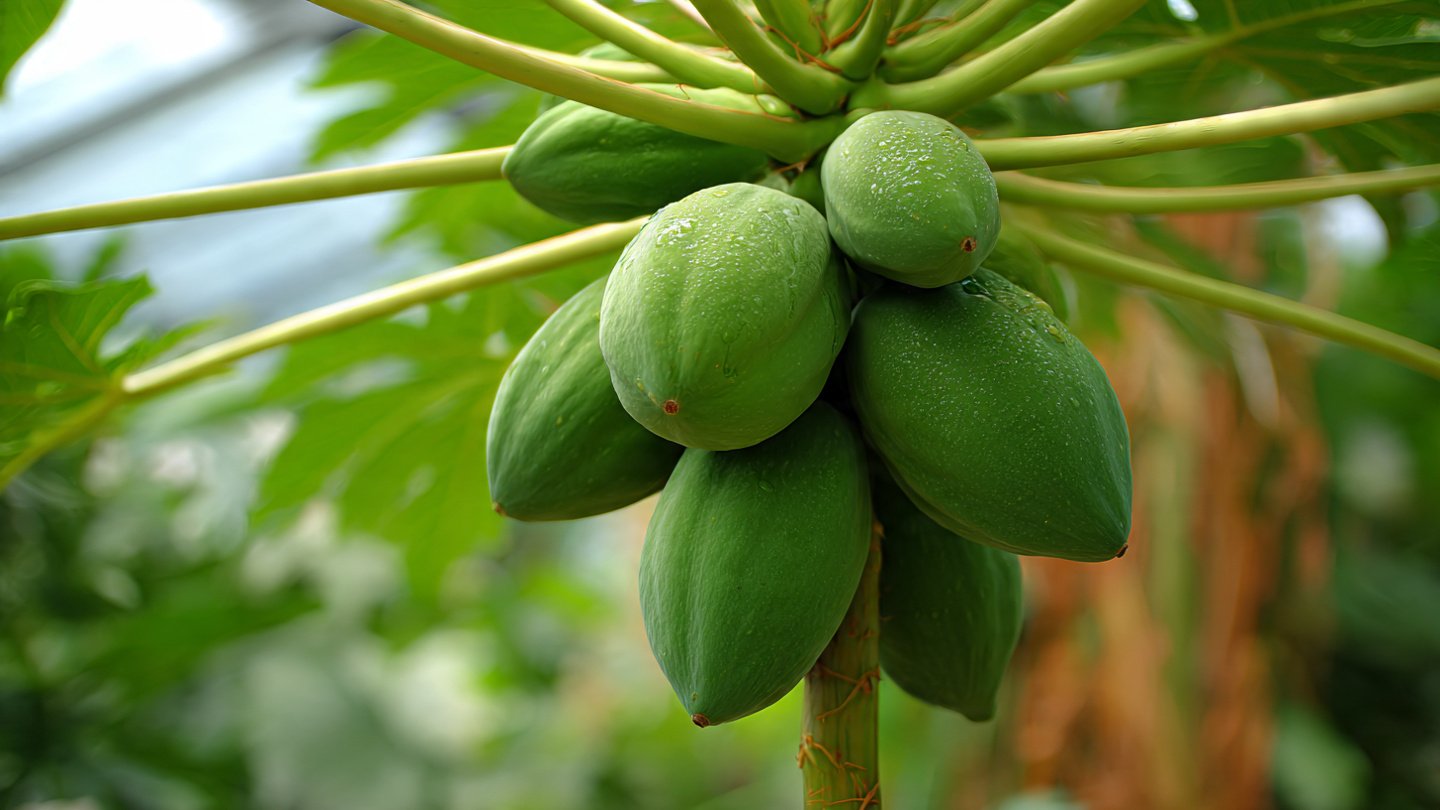
Papaya (Carica papaya) is a tropical fruit loved for its sweet, juicy flesh and impressive nutritional benefits. Rich in vitamin C, vitamin A, fiber, and antioxidants, papaya not only tastes delicious but also promotes digestion, immunity, and overall health. While traditionally grown in gardens or orchards, papaya can thrive in containers, making it accessible for urban gardeners, balcony growers, and small-space enthusiasts.
One of the most effective methods for growing papaya is direct seed sowing in containers. This approach allows seeds to germinate naturally in a controlled environment, reducing transplant shock and providing strong, healthy plants. This comprehensive guide walks you step by step through successfully growing papaya in containers from seeds, ensuring abundant growth and delicious fruits.
Why Grow Papaya in Containers
Growing papaya in containers offers several advantages:
- Space efficiency: Ideal for balconies, terraces, patios, or small gardens.
- Controlled environment: Easier to manage soil quality, watering, and sunlight exposure.
- Pest and disease management: Container-grown papayas are less prone to soil-borne diseases.
- Mobility: Containers can be moved to optimize sunlight or protect from extreme weather.
- Faster establishment: Direct seed sowing in containers allows young papaya plants to establish quickly without transplanting shock.
With proper care, container-grown papayas can produce fruit within 6–12 months, depending on variety and growing conditions.
Selecting the Right Papaya Seeds
The success of your papaya planting begins with selecting high-quality seeds:
- Choose ripe fruit: Extract seeds from fresh, fully ripened papaya.
- Clean seeds: Rinse off the gelatinous coating from seeds and dry them for 1–2 days in shade.
- Select viable seeds: Discard shriveled or damaged seeds for better germination rates.
- Variety selection: Choose between dwarf varieties for container growing or standard varieties for larger spaces.
High-quality seeds produce stronger seedlings, which are essential for healthy growth in containers.
Choosing the Right Container
Papaya plants require ample space for root growth, even in containers:
- Size: Use pots at least 18–24 inches deep and wide for young plants. Larger containers are needed as the plant matures.
- Drainage: Ensure multiple drainage holes to prevent waterlogging.
- Material: Plastic, ceramic, or fabric pots work well. Lightweight pots are ideal for mobility.
Proper container selection ensures root development, healthy growth, and better fruit production.
Preparing the Soil
Papaya thrives in nutrient-rich, well-draining soil:
- Mix composition: Combine garden soil with compost, sand, or cocopeat to improve aeration and drainage.
- Soil pH: Slightly acidic to neutral soil (6.0–7.0) is ideal.
- Nutrients: Enrich the soil with organic compost or well-rotted manure to promote vigorous growth.
- Sterilization: For container use, consider sterilizing the soil by sunlight exposure to reduce pests and pathogens.
Healthy soil ensures strong roots, robust stems, and abundant leaves, forming the foundation for successful fruiting.
Sowing Papaya Seeds Directly in Containers
Direct sowing allows seeds to germinate naturally in their final growing medium:
- Fill the container with prepared soil, leaving 2–3 inches from the rim.
- Plant seeds ½ inch deep and cover lightly with soil.
- Space seeds at least 6 inches apart if sowing multiple seeds in one container.
- Water gently to moisten the soil.
- Place the container in a warm, sunny location with indirect morning sunlight.
Seeds usually germinate within 2–3 weeks. Thin seedlings by removing weaker ones, leaving the strongest plant per container for optimal growth.
Watering and Moisture Management
Proper watering is essential for seed germination and healthy papaya growth:
- Keep the soil consistently moist but not soggy.
- Water lightly every day or deeply every 2–3 days, depending on climate and container size.
- Mulch the soil surface with dried leaves or straw to retain moisture and regulate temperature.
Consistent watering encourages rapid root development and prevents stress that can affect flowering and fruiting.
Sunlight and Temperature
Papaya is a tropical plant that requires warm temperatures and plenty of sunlight:
- Sunlight: Provide 6–8 hours of direct sunlight daily.
- Temperature: Ideal range is 25–35°C (77–95°F). Protect young plants from frost or extreme cold.
- Indoor or balcony growth: Use grow lights if natural sunlight is insufficient.
Adequate sunlight promotes strong stems, healthy foliage, and earlier flowering.
Fertilization for Container Papaya
Container-grown papayas need regular feeding for optimal growth:
- Apply a balanced liquid fertilizer every 2–3 weeks, increasing nitrogen during vegetative growth and potassium for flowering and fruiting.
- Supplement with organic compost or vermicompost monthly for sustained nutrient supply.
- Avoid excessive nitrogen during flowering, which can reduce fruit formation.
Proper fertilization ensures lush green leaves, robust stems, and higher fruit yield.
Supporting Young Plants
Papaya plants are fast-growing and need support in the early stages:
- Staking: Use bamboo sticks or stakes to support the stem until it strengthens.
- Wind protection: Young plants in containers may need shelter from strong winds.
- Pruning: Remove dead or damaged leaves to promote airflow and reduce pest infestation.
Support during early growth prevents stem bending, breakage, and ensures upright growth for better fruiting.
Flowering and Fruiting
Papayas begin flowering 6–12 months after sowing, depending on variety and care:
- Male, female, and hermaphrodite flowers: Choose hermaphrodite plants for fruiting, as they self-pollinate.
- Pollination: While container plants may attract insects naturally, hand pollination can increase fruit set.
- Fruit formation: Fruits develop along the stem, usually taking 5–6 months to ripen after flowering.
Healthy, well-nourished plants are more likely to produce abundant, sweet, and juicy fruits.
Pest and Disease Management
Even in containers, papaya plants can be affected by pests and diseases:
- Aphids and whiteflies: Spray with neem oil or mild soap solution.
- Powdery mildew or fungal infections: Ensure good air circulation and avoid overwatering.
- Fruit flies: Cover developing fruits with paper or mesh bags.
- Root rot: Ensure proper drainage and avoid waterlogging.
Early monitoring and preventive care protect container-grown papayas and ensure high yields.
Harvesting Papayas
- Papayas are ready to harvest when the skin changes from dark green to yellow-orange.
- Fruits can ripen off the plant if harvested slightly early.
- Use a sharp knife or scissors to cut fruits without damaging the stem.
- Regular harvesting encourages continuous flowering and fruiting.
With proper care, a container-grown papaya plant can yield multiple fruits per season, providing fresh, tropical flavor at home.
Final Tips for Success
- Choose quality seeds from ripe, healthy fruits.
- Use deep, well-draining containers with nutrient-rich soil.
- Provide 6–8 hours of sunlight and warm temperatures.
- Keep soil consistently moist but avoid waterlogging.
- Fertilize regularly with balanced and organic nutrients.
- Provide support to young plants and prune damaged leaves.
- Monitor for pests and diseases regularly.
By following these techniques, even small-space gardeners can successfully grow papaya in containers and enjoy fresh, tropical fruits year-round.
Final Thoughts
Growing papaya in containers using direct seed sowing is a simple and effective way to enjoy this tropical delight, even if you have limited space. With proper seed selection, soil preparation, consistent watering, sunlight, and fertilization, your container-grown papaya can thrive, producing delicious fruits for your family and friends. This method not only makes tropical gardening accessible but also ensures strong, healthy plants that bring color, nutrition, and tropical charm to your home.