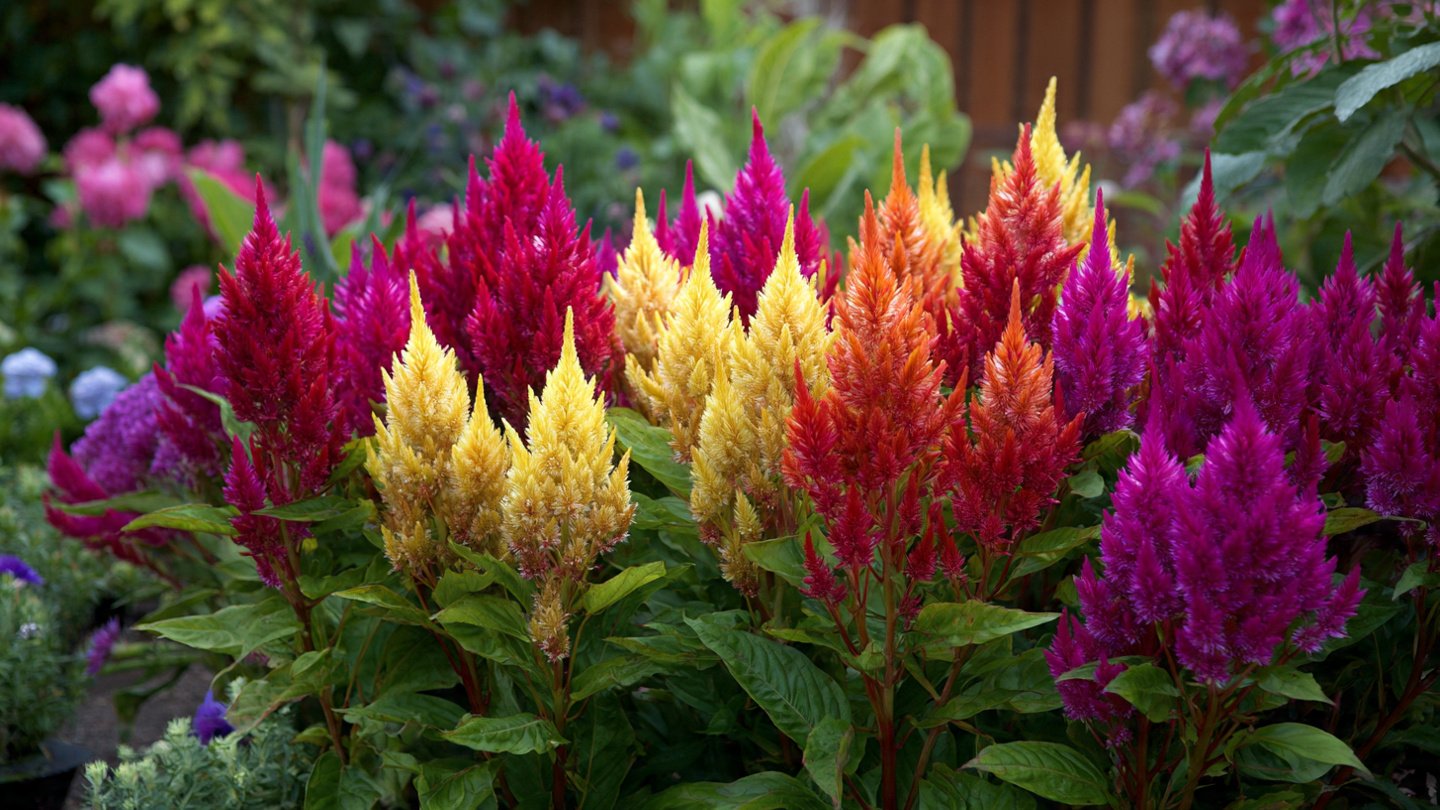
Celosia, often called cockscomb or woolflower, is a dazzling ornamental plant that brings bold, bright colors to gardens, patios, and containers. Known for its unique flame-like blooms and striking textures, celosia is easy to grow, low-maintenance, and perfect for gardeners seeking vibrant floral displays. With proper care, these flowers can provide color from late spring through fall, creating a garden that is lively, dramatic, and full of visual interest.
This comprehensive guide will walk you through everything you need to know about growing celosia, from selecting varieties and preparing soil to planting, watering, fertilizing, pruning, and pest management. By following these steps, you can cultivate a garden full of striking, long-lasting blooms.
Why Grow Celosia?
Celosia is an ideal plant for gardeners who want a combination of beauty, versatility, and ease of care:
- Vibrant Colors: Shades of red, pink, orange, yellow, and purple provide a spectacular display.
- Unique Flower Shapes: Feathery plumes, crested “cockscomb” flowers, and globe-shaped varieties add texture and dimension.
- Long Blooming Period: Flowers last from late spring through fall, offering extended garden interest.
- Heat Tolerance: Celosia thrives in warm climates and handles direct sunlight well.
- Versatility: Suitable for garden beds, borders, hanging baskets, and containers.
Celosia’s unique combination of color, shape, and ease of care makes it a standout in any garden.
Step 1: Selecting Celosia Varieties
Choosing the right variety is the first step to creating a colorful display:
- Plumed Celosia: Feathery, flame-like flowers in reds, oranges, and pinks; ideal for height and dramatic effect.
- Cockscomb Celosia: Crested, brain-like flowers that add texture and bold color.
- Woolflower (Globe Celosia): Rounded, globe-shaped flowers that create compact and tidy clusters.
Select varieties based on your garden design, color preferences, and desired plant height. Combining multiple types can create an eye-catching, multi-textured display.
Step 2: Choosing the Right Location
Celosia thrives in sunny, well-drained locations:
- Sunlight: Full sun (6–8 hours per day) encourages vigorous growth and intense flower colors.
- Soil: Well-draining soil is essential; celosia does not tolerate waterlogged roots. Sandy or loamy soil enriched with organic matter works best.
- Airflow: Adequate spacing and airflow reduce the risk of fungal infections. Avoid overcrowding plants.
Selecting the right site ensures healthy plants, longer-lasting blooms, and vibrant colors.
Step 3: Preparing the Soil
Healthy soil provides the foundation for strong growth and abundant flowers:
- Soil Mix: Combine garden soil with compost or well-rotted manure to improve fertility.
- Drainage: Incorporate perlite or coarse sand to prevent water retention.
- pH Level: Slightly acidic to neutral soil (pH 6.0–7.0) is ideal for nutrient absorption.
Well-prepared soil helps celosia establish quickly and develop rich, colorful blooms.
Step 4: Planting Celosia
Planting properly ensures strong growth and a continuous display:
- Seeds: Start seeds indoors 6–8 weeks before the last frost. Sow in seed trays filled with seed-starting mix and cover lightly with soil. Keep soil moist until germination, which usually occurs within 10–15 days.
- Transplants: Move seedlings outdoors after frost danger has passed and the soil has warmed.
- Spacing: Plant 8–12 inches apart for plumed or cockscomb varieties and 6–8 inches for globe types to allow adequate airflow and growth.
- Direct Sowing: In warm regions, seeds can also be sown directly into garden beds once temperatures are consistently above 65°F (18°C).
Proper planting ensures plants have room to grow and display their brightest colors.
Step 5: Watering Your Celosia
Celosia requires consistent moisture for vibrant growth but does not tolerate soggy conditions:
- Frequency: Water regularly to keep soil slightly moist, especially during dry spells.
- Avoid Overwatering: Waterlogged soil can lead to root rot and disease. Allow the top layer of soil to dry slightly between watering.
- Method: Water at the base of plants to reduce leaf wetness and minimize fungal issues.
Consistent, careful watering ensures lush foliage and vibrant, long-lasting blooms.
Step 6: Fertilizing Celosia
Celosia benefits from regular feeding to maintain flower production and color intensity:
- Balanced Fertilizer: Use a balanced, water-soluble fertilizer every 3–4 weeks during the growing season.
- Organic Options: Compost tea or diluted fish emulsion provides gentle, natural nutrients.
- Avoid Excess Nitrogen: Too much nitrogen encourages leafy growth at the expense of flowers.
Proper nutrition supports continuous flowering and ensures that colors remain vivid and intense.
Step 7: Pruning and Deadheading
Pruning encourages longer flowering and tidier plants:
- Deadheading: Remove spent blooms regularly to promote new flower growth.
- Trimming: Cut back leggy stems to maintain shape and compact growth.
- Fertilizer After Pruning: Feed plants lightly after pruning to support regeneration and flower production.
Regular maintenance keeps celosia plants vibrant, compact, and full of color.
Step 8: Managing Pests and Diseases
Celosia is relatively hardy but can face occasional pest or disease issues:
- Pests: Aphids, spider mites, and whiteflies may appear; use neem oil, insecticidal soap, or hand removal to control infestations.
- Diseases: Powdery mildew or leaf spot can develop in high humidity; ensure proper spacing and good airflow.
- Preventive Care: Water at the base, remove diseased leaves promptly, and maintain good garden hygiene.
Proactive pest and disease management keeps plants healthy and flowering for longer periods.
Step 9: Companion Planting and Garden Design
Celosia pairs beautifully with other garden plants for dramatic effects:
- Color Combinations: Plant alongside marigolds, zinnias, or salvias to create a striking color palette.
- Height Variation: Use plumed celosia for vertical height and globe or cockscomb varieties as mid-height accents.
- Containers: Celosia grows well in pots or mixed containers, making it ideal for patios and balconies.
- Borders and Beds: Use as edging or in garden beds to add bold texture and eye-catching color.
Creative placement maximizes visual impact and enhances your garden’s overall beauty.
Step 10: Harvesting Celosia for Indoor Use
Celosia flowers make excellent cut flowers and dried arrangements:
- Cutting: Harvest flowers when fully open but still firm. Cut stems early in the morning for best results.
- Indoor Display: Place stems in water immediately; they last longer in vases than many other flowers.
- Drying: Plumed or cockscomb varieties can be air-dried for long-lasting decorative arrangements.
Growing celosia for both outdoor display and indoor arrangements maximizes its value and beauty.
Additional Tips for Vibrant Celosia
- Sunlight is Key: The brighter the light, the more intense the flower colors.
- Regular Feeding: Frequent light fertilization supports continuous blooms.
- Succession Planting: Sow seeds every 3–4 weeks for uninterrupted flowering.
- Monitor Soil Moisture: Prevent drought stress to maintain vibrant foliage and flower quality.
- Experiment with Colors: Mix different varieties for a garden full of texture and color.
These tips ensure your celosia garden remains lively and colorful throughout the season.
Final Thoughts
Celosia is one of the most rewarding and eye-catching plants for gardeners seeking vibrant, long-lasting blooms. With its unique shapes, bright colors, and low-maintenance nature, celosia adds drama, texture, and continuous visual appeal to gardens, borders, and containers.
By selecting the right varieties, providing ample sunlight, using nutrient-rich soil, maintaining consistent watering, fertilizing carefully, pruning for health and shape, and managing pests, you can cultivate a garden that bursts with color and life. Whether planted in beds, borders, or containers, celosia is a perfect choice for creating a bold, unforgettable garden display.
With dedication and attention to care, your celosia plants will flourish, producing stunning blooms that brighten any garden, patio, or balcony, giving you months of vibrant color and natural beauty.