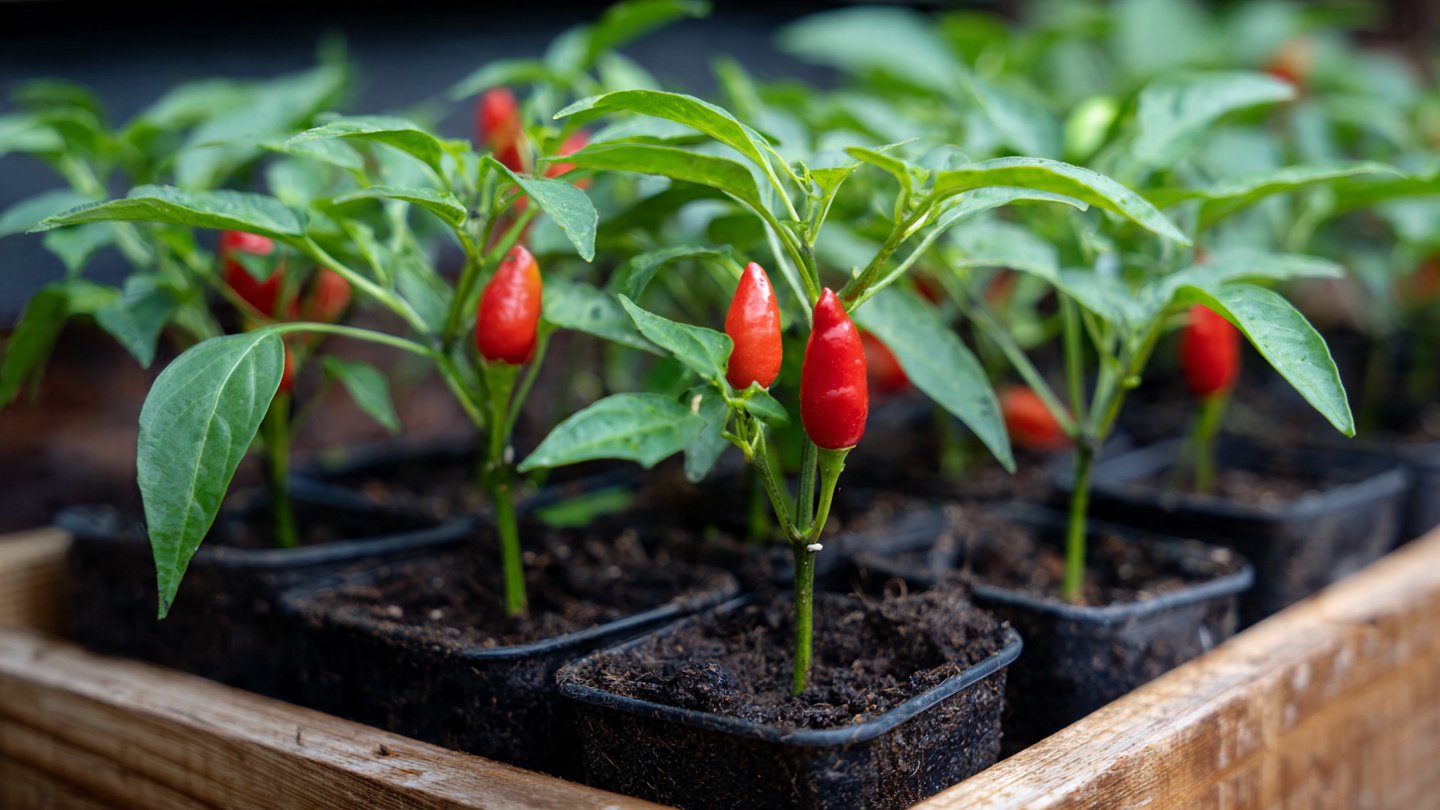
Chili peppers are a favorite in kitchens worldwide, adding heat, flavor, and color to countless dishes. Beyond their culinary value, growing chilies at home can be a fun, rewarding, and surprisingly easy gardening project. From small balcony gardens to indoor windowsills, chili plants thrive in containers and outdoor beds alike. With proper propagation techniques, care, and a little patience, you can enjoy an endless supply of fresh chilies throughout the year. This ultimate guide will show you how to propagate chili plants easily and successfully, ensuring a continuous harvest of fiery fruits.
Understanding Chili Plants
Chili plants belong to the genus Capsicum, which includes sweet and hot varieties. They are annuals in most climates, though in tropical regions, they can behave as perennials. Popular chili varieties for home gardening include:
- Bell peppers (Capsicum annuum) – sweet, low heat
- Cayenne – medium heat, long thin fruits
- Jalapeño – medium heat, popular for sauces and pickling
- Bird’s eye chili – small, very hot, prolific fruiting
Understanding the specific needs of your chili variety is essential for propagation and growth, as some varieties germinate faster or fruit more abundantly than others.
Choosing the Right Method of Propagation
Chili plants can be propagated using three main methods: seeds, cuttings, and grafting. Each method has its advantages:
1. Propagating from Seeds
Growing chilies from seeds is the most common and cost-effective method. It allows you to experiment with different varieties and ensures strong, healthy plants.
- Step 1 – Selecting Seeds: Use fresh, high-quality seeds from reputable sources. Avoid old or low-germination seeds for faster results.
- Step 2 – Preparing Seeds: Soak seeds in warm water for 4–6 hours to soften the seed coat and promote quicker germination.
- Step 3 – Planting: Sow seeds 1/4 inch deep in seed-starting mix or a light potting medium. Maintain consistent moisture, but avoid waterlogging.
- Step 4 – Germination Conditions: Chili seeds germinate best in temperatures of 75–85°F (24–29°C). Use a heat mat if necessary to accelerate growth. Light is essential once seedlings emerge.
Seeds typically germinate in 7–21 days, depending on the variety and conditions.
2. Propagating from Cuttings
Cuttings allow you to produce genetically identical plants that are faster to mature than seedlings.
- Step 1 – Selecting a Cutting: Choose a healthy, young branch about 4–6 inches long. Remove the lower leaves.
- Step 2 – Rooting Hormone (Optional): Dip the cut end in rooting hormone to encourage faster root development.
- Step 3 – Planting: Place the cutting in moist soil or a water container. Keep in a warm, shaded location.
- Step 4 – Care: Mist regularly and maintain high humidity. Roots typically develop in 2–3 weeks.
Once rooted, cuttings can be transplanted into larger pots or garden beds and will produce fruit faster than seedlings.
3. Grafting
Grafting is a more advanced technique, often used to combine disease-resistant rootstocks with desirable fruiting varieties. While not essential for home growers, grafting can help in areas with poor soil or high pest pressure.
Preparing Containers and Soil
Chilies thrive in well-draining soil rich in organic matter. For container gardening:
- Choose a container: A 10–12 inch pot with drainage holes is ideal. Larger pots allow more root space and reduce watering frequency.
- Soil mix: Combine garden soil with compost and perlite or sand to improve drainage and aeration. Avoid heavy clay soils, which retain water and can cause root rot.
- pH level: Chilies prefer slightly acidic to neutral soil (pH 6.0–7.0).
Proper soil preparation ensures healthy root growth and vigorous plants capable of producing abundant fruits.
Providing Optimal Growing Conditions
Chilies need the right environment to thrive and propagate successfully:
1. Light
Chilies are sun-loving plants and require at least 6–8 hours of direct sunlight daily. Indoors, place them near a south-facing window or supplement with grow lights for 12–14 hours per day to promote strong growth and flowering.
2. Temperature
Chilies prefer warm temperatures between 70–85°F (21–29°C) during the day and slightly cooler at night. Temperatures below 60°F (15°C) slow growth, while frost can kill young plants.
3. Humidity
Moderate humidity (50–70%) is ideal. High humidity can encourage fungal problems, while very low humidity can stress plants and stunt growth. Mist young seedlings or cuttings to maintain humidity during propagation.
Watering and Fertilization
Chilies need consistent care for fast growth and abundant fruiting:
- Watering: Keep the soil evenly moist but not soggy. Overwatering leads to root rot, while underwatering stresses plants and reduces flowering. Water at the base to avoid wetting leaves, which can cause fungal diseases.
- Fertilization: Apply a balanced fertilizer every 2–3 weeks. Once flowering begins, switch to a phosphorus- and potassium-rich fertilizer to support blooms and fruit set. Organic options like compost tea or fish emulsion work well for continuous growth.
Training and Pruning
Proper pruning encourages bushier plants, better airflow, and increased fruit production:
- Remove early flowers: Pinching off early flowers in seedlings directs energy toward root and leaf growth.
- Tip pruning: Trim the growing tips to encourage lateral branching. This leads to more flowering sites and higher yields.
- Leaf maintenance: Remove yellowing or damaged leaves to prevent disease and allow sunlight to reach the inner branches.
Pest and Disease Management
Chilies can be affected by pests like aphids, whiteflies, and spider mites, as well as diseases such as powdery mildew and bacterial leaf spot.
Preventive measures:
- Inspect plants regularly for signs of pests or disease.
- Use organic pesticides, neem oil, or insecticidal soap to control infestations.
- Ensure good air circulation around plants to reduce fungal issues.
- Rotate pots or garden beds to prevent soil-borne diseases.
Healthy, vigorous plants are easier to propagate and produce more fruit.
Harvesting and Propagating Continuously
The key to growing endless chilies is continuous propagation and harvesting:
- Harvest regularly: Pick mature chilies frequently. Removing ripe fruits encourages new flowers and prolongs the harvest.
- Collect seeds: Save seeds from your healthiest chilies to start the next generation of plants. Dry them properly to maintain viability.
- Root cuttings: Keep a few plants as cuttings in water or soil to propagate new plants throughout the season.
- Succession planting: Sow seeds or take cuttings every few weeks to maintain a steady supply of plants and fruits.
Indoor vs. Outdoor Growing
Chilies adapt well to both indoor and outdoor cultivation:
- Indoors: Ideal for colder climates, small spaces, or year-round cultivation. Use pots, sufficient light, and maintain warmth.
- Outdoors: Best for warm summer months. Choose sunny locations, protect young plants from wind, and provide consistent watering.
Regardless of the method, proper propagation and care ensure a continuous supply of chilies.
Tips for Maximum Yield
- Choose compact varieties: Dwarf or bush varieties are perfect for pots and indoor gardening.
- Pollination: Encourage pollination by gently shaking flowers or using a soft brush to transfer pollen. Outdoors, bees naturally assist this process.
- Support plants: Taller varieties may need stakes or cages to support heavy fruit-laden branches.
- Monitor soil fertility: Continuous feeding ensures strong growth and high fruit production.
Following these tips ensures you maximize your chili harvest from both seedlings and propagated plants.
Conclusion
Propagating chili plants at home is easy, rewarding, and sustainable. Whether using seeds, cuttings, or grafting, each method allows you to cultivate healthy plants capable of producing abundant, fiery fruits. By providing optimal light, temperature, soil, and care, you can enjoy a continuous supply of fresh chilies for cooking, pickling, or making sauces.
With proper propagation techniques, consistent harvesting, and a bit of patience, you can create an endless cycle of chili growth in your home garden. From indoor containers to outdoor beds, these versatile plants bring flavor, nutrition, and satisfaction, transforming your home into a vibrant chili haven. By following this ultimate guide, even beginners can successfully propagate, grow, and enjoy an endless harvest of chilies year-round.