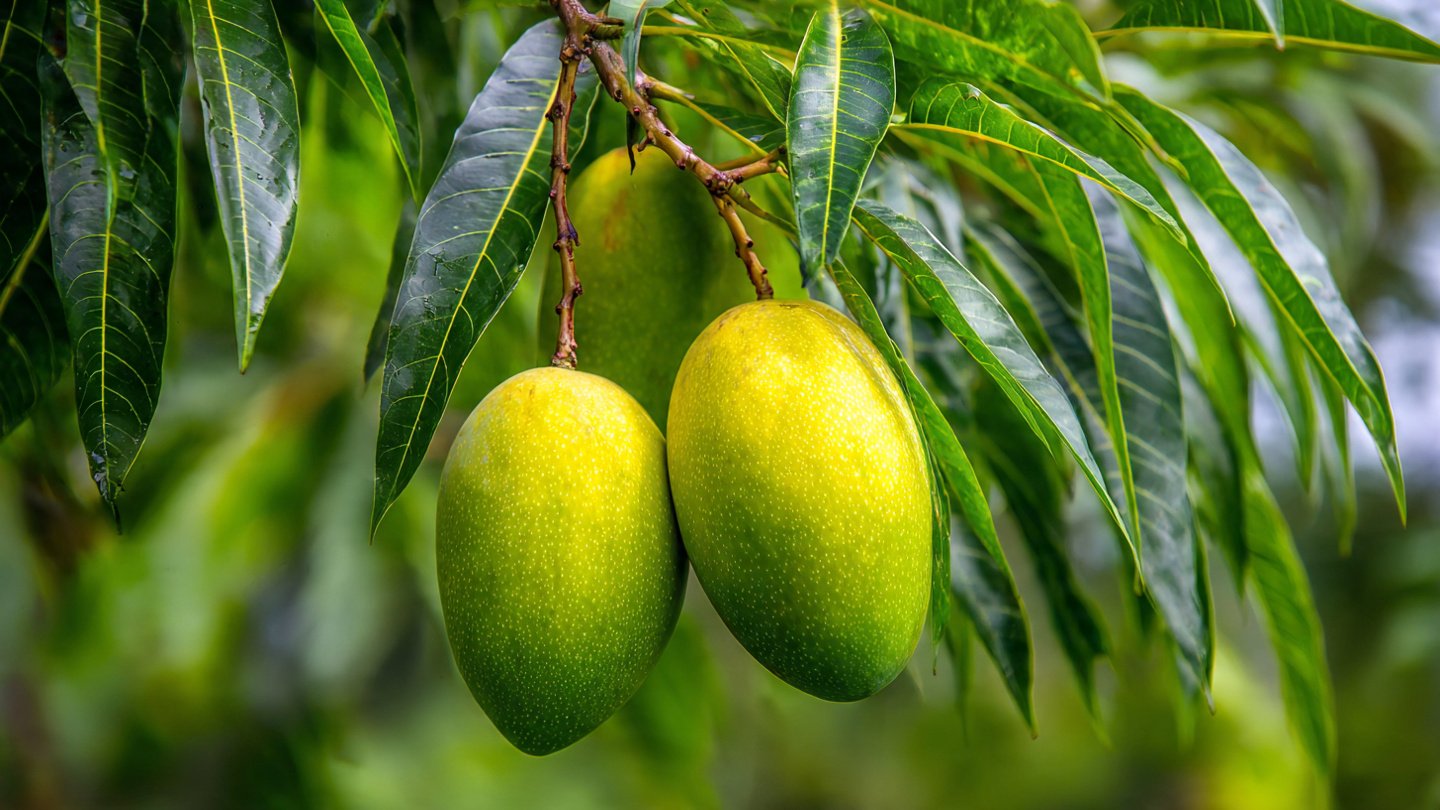
Mango is often called the “king of fruits,” prized for its rich flavor, aroma, and nutritional value. While mango trees can be grown from seed, seed-grown trees often take many years to bear fruit and may not produce mangoes true to the parent variety. This is where grafting becomes a powerful technique. Mango grafting allows gardeners and farmers to grow high-quality mango trees faster, with predictable fruit quality and earlier harvests. In this complete guide, you’ll learn everything you need to know to master the art of mango grafting successfully.
Understanding Mango Grafting
Mango grafting is a vegetative propagation method where a piece of a desired mango variety (called the scion) is joined to a compatible seedling rootstock. The rootstock provides a strong root system adapted to local soil and climate, while the scion determines the fruit quality, taste, size, and yield. Once the graft union heals, the two parts grow as a single plant.
The main advantages of mango grafting include:
- Early fruiting: Grafted mango trees can bear fruit in 2–4 years, compared to 6–10 years for seed-grown trees.
- True-to-type fruit: The fruits are identical to the parent variety.
- Improved productivity: Grafted trees usually produce higher and more consistent yields.
- Better adaptability: Suitable rootstocks can improve disease resistance and tolerance to local conditions.
Best Time for Mango Grafting
Timing plays a crucial role in grafting success. The ideal time for mango grafting is during warm and humid weather, when the sap flow is active. In most tropical and subtropical regions, this is usually late spring to early monsoon. During this period, the bark separates easily, and healing occurs faster.
Avoid grafting during extreme cold, excessive heat, or very dry conditions, as these can reduce the success rate.
Choosing the Right Rootstock
The rootstock is the foundation of your grafted mango tree. Healthy, vigorous seedlings grown from locally adapted mango varieties are ideal. When selecting rootstocks:
- Choose seedlings that are 6–12 months old.
- The stem thickness should be similar to that of the scion for better alignment.
- Ensure the plant is free from pests and diseases.
A strong rootstock ensures better nutrient uptake, stability, and long-term health of the tree.
Selecting a Quality Scion
The scion determines the fruit quality, so careful selection is essential. Always take scion wood from a healthy, high-yielding mango tree with desirable traits such as sweetness, aroma, fiberless flesh, and good shelf life.
Key tips for selecting scions:
- Choose mature but not woody shoots.
- The scion should have well-developed buds.
- Avoid diseased, weak, or pest-infested branches.
Cut the scion early in the morning and keep it moist until grafting to prevent dehydration.
Popular Mango Grafting Methods
There are several mango grafting techniques, but the following are the most commonly used and effective:
1. Veneer Grafting
Veneer grafting is widely practiced due to its high success rate. In this method, a shallow cut is made on the rootstock, and a matching cut scion is placed and tied securely. This method works well for mango and is suitable for beginners.
2. Cleft Grafting
In cleft grafting, the rootstock is cut and split, and a wedge-shaped scion is inserted into the split. It is useful when the rootstock is thicker than the scion.
3. Epicotyl (Stone) Grafting
This method involves grafting very young seedlings soon after germination. It is fast and economical and is commonly used in nurseries for mass production of grafted mango plants.
Step-by-Step Mango Grafting Process
- Prepare tools: Use a sharp, sterilized grafting knife, grafting tape or plastic strips, and clean pruning shears.
- Make the cut on rootstock: Depending on the method, create a clean cut or slit.
- Prepare the scion: Shape the base of the scion to match the cut on the rootstock.
- Join the scion and rootstock: Align the cambium layers carefully, as this is critical for successful union.
- Tie and seal: Secure the graft tightly using grafting tape to prevent moisture loss and movement.
- Provide shade: Keep the grafted plant in partial shade to reduce stress and water loss.
Aftercare for Grafted Mango Plants
Proper aftercare significantly increases graft success. After grafting:
- Water the plant regularly but avoid waterlogging.
- Protect the graft from direct sunlight and strong winds.
- Remove any shoots emerging from the rootstock below the graft union.
- Once the scion starts growing, gradually expose the plant to more sunlight.
The graft union usually heals within 2–4 weeks, after which new leaves emerge from the scion.
Common Mistakes to Avoid
Even experienced gardeners can make mistakes during mango grafting. Avoid these common errors:
- Using dull or unsterilized tools, which can cause infections.
- Poor alignment of cambium layers.
- Allowing the scion to dry out before grafting.
- Grafting during unsuitable weather conditions.
Paying attention to detail can dramatically improve your success rate.
Benefits of Grafted Mango Trees in Home Gardens
For home gardeners, grafted mango trees are an excellent investment. They take up less space, produce fruit earlier, and allow you to enjoy your favorite mango varieties without long waiting periods. With proper pruning and care, grafted trees can also be maintained at manageable heights, making harvesting easier.
Conclusion
Mastering mango grafting is a rewarding skill that opens the door to faster fruiting, superior quality mangoes, and consistent harvests. By choosing the right rootstock and scion, using proven grafting techniques, and providing proper aftercare, anyone can successfully grow high-quality mango trees at home or on a farm. With patience and practice, mango grafting transforms from a technique into an art—one that brings sweet, delicious rewards for years to come.