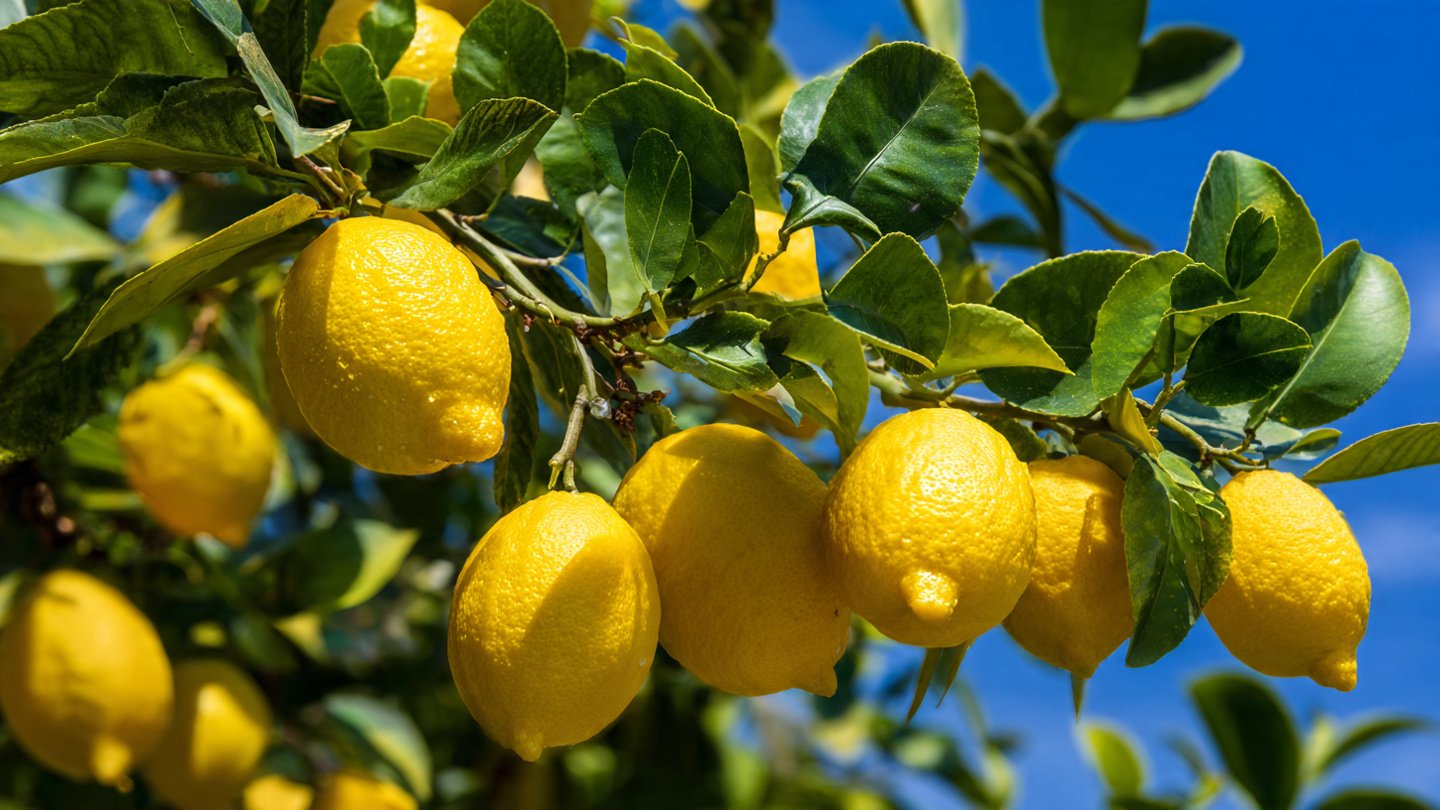
Few things feel as rewarding as plucking a fresh, sun-ripened lemon from a tree you grew yourself. Lemon trees are not only productive fruit plants but also beautiful evergreen additions to homes, balconies, terraces, and gardens. With glossy green leaves, fragrant white blossoms, and bright yellow fruits, they truly bring a touch of sunshine into everyday life. The good news is that growing a healthy and productive lemon tree at home is easier than many people think—if you follow the right steps.
This complete guide will walk you through everything you need to know, from choosing the right variety to harvesting baskets of juicy lemons year after year.
Why Grow a Lemon Tree at Home?
Growing your own lemon tree offers several benefits. You get access to fresh, chemical-free lemons whenever you need them, saving money and reducing trips to the market. Homegrown lemons are often juicier and more aromatic than store-bought ones. Beyond fruit, lemon trees improve air quality, release a pleasant citrus fragrance, and add a decorative touch to your living space. Whether you have a backyard or just a sunny balcony, a lemon tree can fit beautifully into your lifestyle.
Choosing the Right Lemon Variety
The success of your lemon tree starts with choosing the right variety for your space and climate. For home gardeners, especially those growing in pots, dwarf or semi-dwarf varieties are ideal. They stay compact, adapt well to containers, and still produce plenty of fruit.
If you live in a warm or tropical climate, most lemon varieties will thrive outdoors. In cooler regions, container-grown lemon trees are best because they can be moved indoors during cold weather. Always purchase healthy saplings from a reliable nursery to ensure strong growth and early fruiting.
Growing Lemon Trees from Seeds vs. Saplings
You can grow lemon trees either from seeds or from nursery-grown plants, but there is a big difference between the two methods.
Growing from seeds is simple and fun, especially for beginners. However, seed-grown lemon trees can take five to seven years to bear fruit, and the fruit quality may vary. Nursery-grown or grafted plants, on the other hand, usually start fruiting within two to three years and produce more reliable harvests. For most home gardeners, starting with a sapling is the best option.
Selecting the Perfect Location
Lemon trees love sunlight. They need at least six to eight hours of direct sunlight every day to grow well and produce fruit. Choose a bright, sunny spot such as a terrace, balcony, patio, or garden area that receives consistent light.
If you are growing indoors, place the pot near a south-facing window where sunlight is strongest. Good air circulation is also important, as it helps prevent pests and fungal diseases.
Soil and Pot Requirements
Well-draining soil is crucial for lemon trees. They do not tolerate waterlogged roots, which can quickly lead to root rot. A loose, nutrient-rich potting mix works best. You can prepare your own soil mix by combining garden soil, compost, and sand or cocopeat in equal parts.
If growing in a pot, choose a container with adequate drainage holes. The pot should be large enough to allow root growth, typically at least 12–18 inches wide for young plants. As the tree grows, you may need to repot it into a larger container every two to three years.
Watering the Right Way
Watering is one of the most important aspects of lemon tree care. Lemon trees prefer consistently moist soil but hate standing water. Water deeply when the top inch of soil feels dry to the touch.
During hot summer months, watering may be needed more frequently, while in winter, watering should be reduced. Always check the soil before watering instead of following a fixed schedule. Overwatering is one of the most common mistakes made by home gardeners.
Feeding Your Lemon Tree
Lemon trees are heavy feeders and require regular nutrients to grow well and produce fruit. Use organic compost or well-rotted manure every few weeks to keep the soil fertile. You can also use a balanced fertilizer rich in nitrogen, phosphorus, and potassium.
Nitrogen promotes leafy growth, phosphorus supports roots and flowers, and potassium improves fruit quality. Feeding your lemon tree during the growing season—spring through early autumn—will result in healthier plants and better yields.
Pruning for Shape and Productivity
Pruning helps maintain the shape of the lemon tree and encourages better air circulation and sunlight penetration. Remove dead, damaged, or crossing branches regularly. Light pruning after harvesting helps the tree focus energy on new growth and flowering.
Avoid heavy pruning, especially during flowering or fruiting stages, as it can reduce yields. The goal is to keep the tree balanced, open, and healthy rather than overly dense.
Flowering, Pollination, and Fruit Set
Lemon trees produce fragrant white flowers that eventually turn into fruit. In outdoor settings, pollination usually happens naturally through insects and wind. Indoor or balcony-grown trees may need a little help.
You can gently hand-pollinate by using a soft brush or cotton swab to transfer pollen between flowers. This simple step can significantly increase fruit set, especially in enclosed spaces.
Common Problems and Simple Solutions
Like all plants, lemon trees can face pests and diseases. Common pests include aphids, spider mites, and scale insects. These can be controlled using neem oil or mild soap sprays applied regularly.
Yellowing leaves often indicate nutrient deficiencies or overwatering. Dropping flowers or fruits may be caused by stress from temperature changes, lack of nutrients, or inconsistent watering. Observing your plant closely and responding early is the key to keeping it healthy.
Harvesting Your Homegrown Lemons
Lemons are usually ready to harvest when they reach full size and develop a rich yellow color. Unlike some fruits, lemons do not continue to ripen after being picked, so timing is important. Gently twist or cut the fruit from the branch using clean tools to avoid damaging the tree.
Regular harvesting encourages the tree to produce more flowers and fruits, keeping it productive throughout the season.
Final Thoughts
Growing a lemon tree at home is a joyful and rewarding experience that combines beauty, fragrance, and delicious harvests. With proper sunlight, well-draining soil, mindful watering, and regular feeding, your lemon tree can thrive for many years. Whether you grow it in a pot on your balcony or plant it in your garden, a healthy lemon tree will fill your home with freshness, flavor, and a sense of accomplishment.