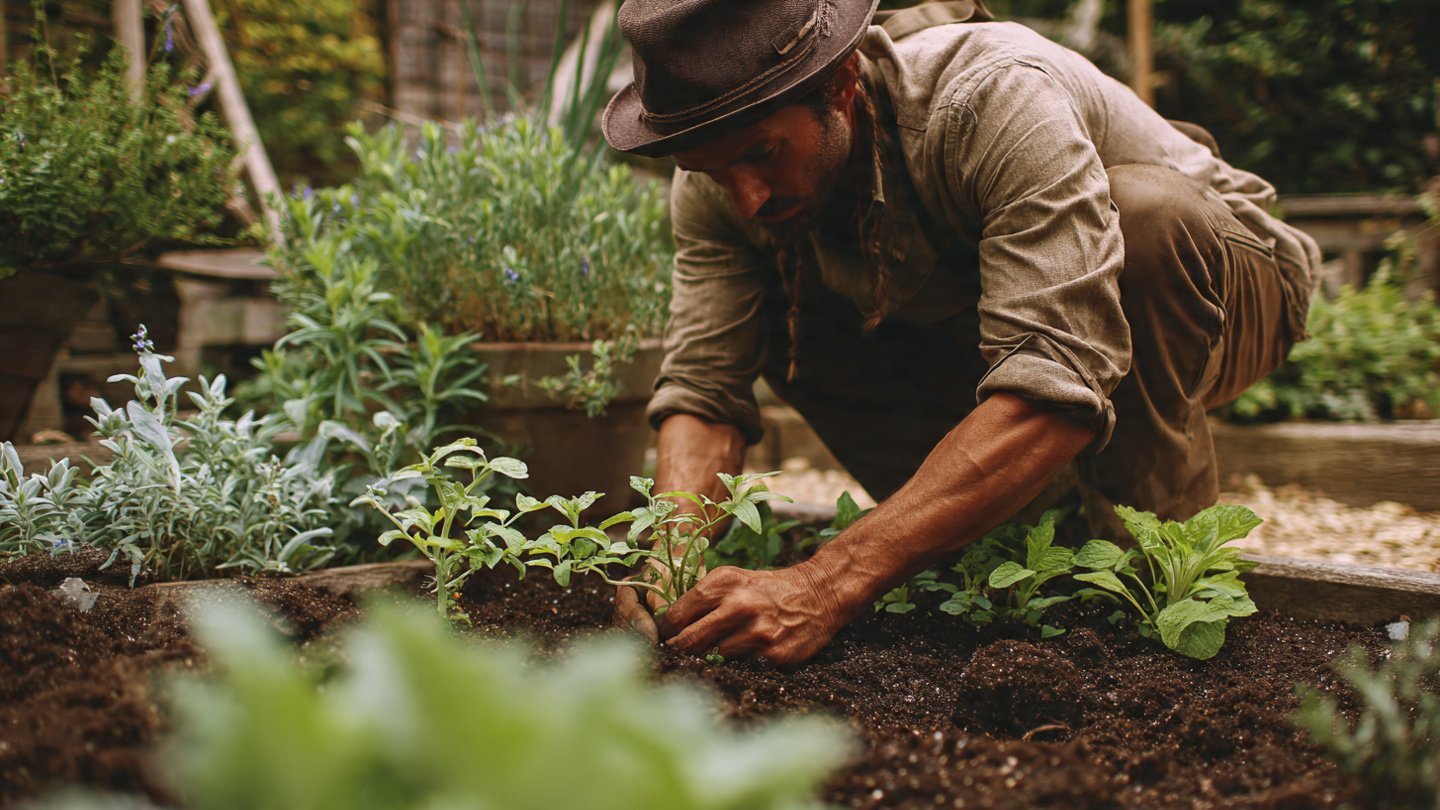
Gardening often feels like a blend of art, science, and a little bit of magic. Some gardeners seem to have a natural gift—plants in their care grow faster, look greener, and produce more flowers or fruits. The truth is, their success usually comes from understanding a simple but powerful formula. This “secret” is not a single miracle ingredient but a combination of smart practices that work together to support plant health from root to leaf. When applied consistently, this method can dramatically improve the growth and resilience of almost any plant.
Understanding the Core Principle: Plants Thrive on Balance
The real secret to successful gardening is balance. Plants need the right mix of nutrients, water, air, light, and care. Too much or too little of any one factor can slow growth or cause stress. Instead of focusing on quick fixes, successful gardeners build an environment where plants can naturally flourish.
Healthy soil, proper watering, and mindful observation form the foundation. Once these are in place, plants respond by growing faster, resisting pests, and producing better yields.
Step One: Build Living, Nutrient-Rich Soil
Soil is more than just dirt—it is a living ecosystem. The fastest-growing, healthiest plants are rooted in soil rich in organic matter and beneficial microorganisms.
Start by improving your soil structure. Mix in compost, well-rotted manure, or leaf mold to increase fertility and improve drainage. Organic matter helps soil retain moisture while still allowing air to reach the roots. This balance encourages strong root systems, which directly affects how fast and healthy a plant grows.
Another key practice is avoiding overuse of chemical fertilizers. While they provide quick nutrients, they can harm soil life over time. Instead, use natural amendments like compost tea, vermicompost, or slow-release organic fertilizers. These feed both the plant and the soil, creating long-term fertility.
Step Two: Water Wisely, Not Frequently
Watering is one of the most misunderstood aspects of gardening. Many plants suffer not from drought, but from overwatering. Constantly wet soil deprives roots of oxygen, leading to weak growth and disease.
The secret is deep, infrequent watering. When you water thoroughly, moisture reaches deeper into the soil, encouraging roots to grow downward rather than staying near the surface. Deeper roots mean stronger, more drought-resistant plants.
Water early in the morning whenever possible. This reduces evaporation and allows leaves to dry during the day, lowering the risk of fungal diseases. Always adjust watering based on weather, soil type, and the specific needs of your plants.
Step Three: Feed Plants at the Right Time
Plants need nutrients, but timing matters just as much as quantity. Feeding at the wrong stage can cause lush leaves with weak stems, or flowers without fruit.
For leafy plants, nitrogen is important during early growth. For flowering and fruiting plants, phosphorus and potassium become more critical as buds form. Using a balanced organic fertilizer or homemade compost at key growth stages helps plants use nutrients efficiently.
A powerful trick many gardeners use is mulching. Organic mulch such as straw, dried leaves, or grass clippings slowly breaks down, releasing nutrients into the soil. Mulch also keeps soil temperature stable, reduces weeds, and conserves moisture—all of which support faster, healthier growth.
Step Four: Give Roots Room to Breathe
Roots need air as much as they need water. Compacted soil suffocates roots and slows growth. Regularly loosening the top layer of soil improves airflow and allows water to penetrate evenly.
In container gardening, this principle is even more important. Always use pots with proper drainage holes and a light, well-aerated potting mix. Avoid packing soil too tightly when planting—gentle firmness is enough.
Healthy roots lead to strong stems, vibrant leaves, and better resistance to stress.
Step Five: Harness the Power of Sunlight
Sunlight is the engine that drives plant growth. Without enough light, even the best soil and care cannot produce strong plants.
Most vegetables and flowering plants need at least six to eight hours of direct sunlight daily. Observe your garden throughout the day to understand where sunlight falls and place plants accordingly. Shade-loving plants should be protected from harsh afternoon sun, while sun-loving plants should be given the brightest spots.
If growing indoors or on balconies, rotating pots regularly ensures even light exposure, resulting in balanced growth.
Step Six: Prune, Pinch, and Train for Better Growth
One of the lesser-known secrets to faster plant growth is strategic pruning. Removing weak, damaged, or excess growth allows plants to redirect energy to healthy stems, leaves, and flowers.
Pinching young plants encourages branching, making them bushier and more productive. Training climbers and vines improves airflow and light penetration, reducing disease and increasing yield.
Pruning may seem counterintuitive, but when done correctly, it stimulates stronger and faster growth.
Step Seven: Observe and Respond Early
Successful gardeners pay close attention to their plants. Yellowing leaves, slow growth, or unusual spots are early signs that something is off. Addressing problems early prevents small issues from becoming major setbacks.
Regular observation also helps you understand each plant’s preferences. Over time, you’ll learn how much water, light, and care each plant truly needs, making your gardening efforts more efficient and rewarding.
The Real Secret: Consistency and Patience
While there are many techniques to boost plant growth, the real secret formula lies in consistency. Small, regular actions—watering properly, feeding thoughtfully, and observing closely—create lasting results.
Gardening is not about forcing plants to grow faster; it’s about removing obstacles so they can grow at their natural best. When you provide balanced soil, proper water, sufficient light, and attentive care, plants respond with vigor.
Final Thoughts
The hidden recipe for growing any plant faster and healthier is not a mystery reserved for experts. It is a simple, repeatable system built on understanding plant needs and working with nature rather than against it. By focusing on soil health, smart watering, balanced nutrition, and careful observation, you can transform your garden into a thriving, productive space.