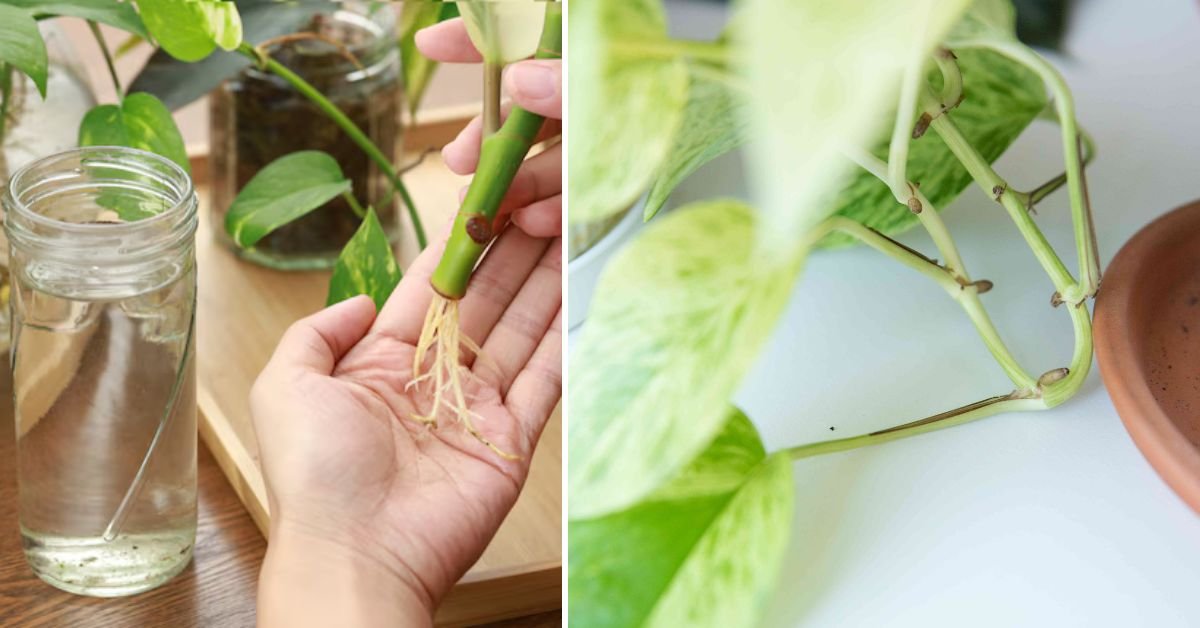
Plant propagation is one of the most rewarding skills a gardener can learn. It allows you to turn one healthy plant into many new ones—saving money, expanding your garden, and deepening your understanding of how plants grow. Best of all, propagation doesn’t require expensive tools or expert knowledge. With a few simple techniques and a bit of patience, even beginners can grow new plants faster and more successfully than they ever imagined.
This beginner-friendly guide explains what plant propagation is, why it works, and how you can use proven methods to multiply your favorite plants with confidence.
What Is Plant Propagation?
Plant propagation is the process of creating new plants from existing ones. Instead of growing plants only from seeds, propagation uses parts of a parent plant—such as stems, leaves, roots, or buds—to produce genetically identical copies.
There are two main types of propagation:
- Sexual propagation – growing plants from seeds
- Asexual (vegetative) propagation – growing plants from plant parts
For beginners, asexual propagation is often faster, easier, and more predictable, especially for houseplants, ornamentals, and fruit plants.
Why Learn Plant Propagation?
Propagation offers many practical benefits for home gardeners:
- Grow more plants without buying new ones
- Preserve favorite or rare varieties
- Produce plants that flower or fruit sooner
- Replace aging or damaged plants
- Share plants with friends and family
Once you understand the basics, propagation becomes a simple, repeatable process rather than a mystery.
Understanding How Propagation Works
Plants have an incredible ability to regenerate. Many plant cells can change their function when conditions are right. When a cutting is placed in a supportive environment, it redirects energy toward forming roots and shoots.
Successful propagation depends on three key factors:
- Healthy parent plant
- Correct method for the plant type
- Proper moisture, warmth, and light
When these conditions align, new growth begins surprisingly fast.
Choosing the Right Parent Plant
Always start with a healthy, disease-free plant. Weak or stressed plants produce poor cuttings that struggle to root.
Look for:
- Bright, firm leaves
- Strong stems
- No signs of pests or fungal disease
- Active growth
The quality of the parent plant directly affects the success of propagation.
Most Common Plant Propagation Methods
1. Propagation by Stem Cuttings
This is the most popular and beginner-friendly method.
Best for:
- Money plant (pothos)
- Rose
- Hibiscus
- Coleus
- Basil
- Geranium
How it works:
A section of stem with one or more nodes is cut and placed in water or soil, where it develops roots.
Basic steps:
- Cut a 10–15 cm healthy stem below a node
- Remove lower leaves
- Place in water or moist soil
- Keep in indirect light
Roots usually form within 1–3 weeks.
2. Propagation by Leaf Cuttings
Some plants can grow entirely from a single leaf.
Best for:
- Snake plant
- Begonia
- Jade plant
- African violet
The leaf develops roots and eventually produces a new plant. This method takes longer but is fascinating to watch.
3. Propagation by Division
Division involves separating a mature plant into multiple sections, each with its own roots.
Best for:
- Aloe vera
- Peace lily
- Ferns
- Ornamental grasses
This method is fast and has a high success rate because roots are already present.
4. Propagation by Air Layering
Air layering allows roots to form on a branch while it’s still attached to the parent plant.
Best for:
- Rubber plant
- Bougainvillea
- Ficus
- Citrus plants
It’s slightly advanced but excellent for woody plants that don’t root easily from cuttings.
Water vs Soil Propagation: Which Is Better?
Both methods work, but each has advantages.
Water propagation
- Easy to monitor root growth
- Great for beginners
- Requires transplanting later
Soil propagation
- Roots adapt immediately to soil
- Less transplant shock
- Requires careful moisture control
For beginners, starting in water builds confidence, while soil propagation produces stronger long-term plants.
Ideal Conditions for Fast Rooting
Regardless of method, these conditions improve success:
- Light: Bright, indirect sunlight
- Temperature: Warm (20–30°C is ideal)
- Moisture: Consistently moist, not soggy
- Air circulation: Prevents rot and fungus
Avoid harsh sun, cold drafts, and overwatering during early stages.
Common Propagation Mistakes (and How to Avoid Them)
Using dull or dirty tools
→ Always use sharp, clean tools to prevent infection
Overwatering cuttings
→ Moist soil is enough; soggy soil causes rot
Taking cuttings without nodes
→ Roots form from nodes, not smooth stems
Impatience
→ Some plants take weeks to show growth—don’t disturb them too soon
Learning from small failures is part of becoming a confident propagator.
How Long Does Propagation Take?
Propagation speed varies by plant type and method:
- Soft stem cuttings: 1–3 weeks
- Leaf cuttings: 3–8 weeks
- Air layering: 4–8 weeks
- Woody cuttings: 6–12 weeks
New leaves are the best sign that roots have successfully formed.
When to Transplant New Plants
Once roots are 3–5 cm long and new growth appears, the plant is ready for transplanting.
Tips for transplanting:
- Use light, well-draining soil
- Water lightly after transplant
- Keep in shade for a few days
- Gradually introduce sunlight
This reduces stress and helps the young plant adapt smoothly.
Final Thoughts
Plant propagation turns gardening into a creative, sustainable practice. Instead of relying on seeds or store-bought plants, you learn to work with nature’s built-in systems of renewal. With simple tools, basic care, and patience, beginners can successfully grow new plants faster than they ever expected.
Once you master propagation, your garden stops having limits. One plant becomes ten, ten become a garden, and every cutting becomes an opportunity to grow something new.